THE ADVENTURE COLLECTIVE® · Independent discovery and booking for outdoor travel

Explore Akihabara with a certified local guide on a 3‑hour walking tour through retro game shops, towering hobby stores, and a local-favorite maid café. Learn the district’s evolution from postwar electronics market to global otaku hotspot while getting practical tips for navigating crowds, purchases, and etiquette.
Explore Akihabara with a certified local guide on a 3‑hour walking tour through retro game shops, towering hobby stores, and a local-favorite maid café. Learn the district’s evolution from postwar electronics market to global otaku hotspot while getting practical tips for navigating crowds, purchases, and etiquette.
You step out of JR Akihabara’s Electric Town Gate and the street itself seems to hum — neon signs blinking, arcade chimes threading through the air, and shop windows stuffed with figures and game cartridges daring you to look closer.
Verified experiences and guided adventures in the surrounding area.
Operated by MagicalTrip Inc. · Tokyo, Tokyo
You step out of JR Akihabara’s Electric Town Gate and the street itself seems to hum — neon signs blinking, arcade chimes threading through the air, and shop windows stuffed with figures and game cartridges daring you to look closer.
Once a postwar electronics market on the flat Kanda River plain, Akihabara transformed through the 1980s and ’90s into Japan’s center for anime, retro gaming, and subculture commerce. The district’s concrete corridors and narrow alleys tell a cultural story: electronics stalls gave way to hobby shops, gacha temples, and maid cafés that reimagined service as performance.
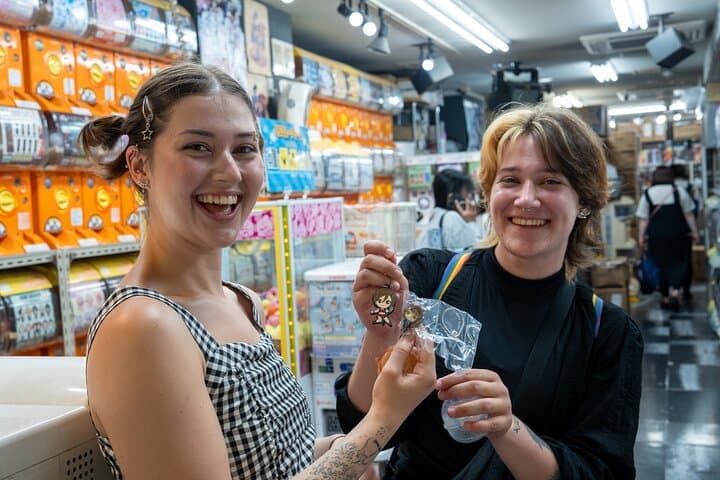
On a guided 3‑hour walking tour you’ll move between a retro game store where 8‑bit soundtracks still play, a famed maid café that demonstrates the playful etiquette unique to Akihabara, and sprawling hobby stores with floors of figures, model kits, and cosplay gear. Guides add local color — where to find limited-edition gachapon, which arcades still host classic cabinets, and how to navigate photo and tipping customs.
Practicalities are straightforward: the route is mostly flat pavement with short interior stairs in shops, totaling roughly 1–2 km of walking at a relaxed pace. Bring small bills for gachapon and instant purchases, wear comfortable shoes, and expect enclosed, often crowded indoor spaces. Summers are hot and humid; winter evenings get brisk under the neon glow.
This tour is as much about people as products — the retailers, cafe performers, and collectors who keep Akihabara alive. Go curious, follow local etiquette, and you’ll leave with both souvenirs and a clearer sense of how Tokyo’s otaku culture grew from circuit boards into a global phenomenon.
easy.
3 hours.
Suitable for most fitness levels; requires light walking (1–2 km) and standing in shops.
The tour runs about 3 hours and covers roughly 1–2 km of mostly flat walking, with stops inside multiple shops and a maid café visit.
The tour includes entrance to the maid café and one drink as listed; additional food or Polaroid photos are typically extra and optional.
Some locations on the itinerary have stairs or limited access; if you need accessibility accommodations, contact the operator before booking.
Yes — the guide will point out shops known for retro titles and limited items, but availability and prices vary by shop and season.
Akihabara evolved from a post‑WWII electronics market into an otaku hotspot in the 1980s–90s, driven by hobby shops, anime fandom, and retro gaming culture.
Respect small businesses by not blocking aisles, avoid littering, and follow photo rules to minimize disturbances to performers and shop owners.
MagicalTrip Inc. operates guided outdoor trips and adventures with an emphasis on safety, stewardship, and memorable experiences.


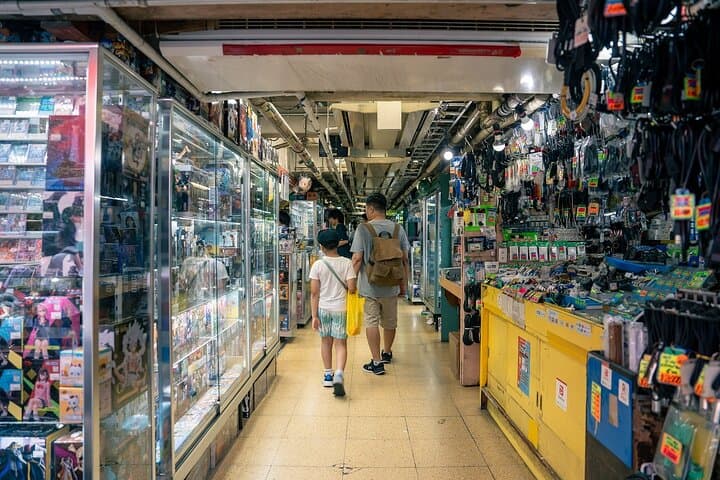
You step out of JR Akihabara’s Electric Town Gate and the street itself seems to hum — neon signs blinking, arcade chimes threading through the air, and shop windows stuffed with figures and game cartridges daring you to look closer.
You step out of JR Akihabara’s Electric Town Gate and the street itself seems to hum — neon signs blinking, arcade chimes threading through the air, and shop windows stuffed with figures and game cartridges daring you to look closer.
Once a postwar electronics market on the flat Kanda River plain, Akihabara transformed through the 1980s and ’90s into Japan’s center for anime, retro gaming, and subculture commerce. The district’s concrete corridors and narrow alleys tell a cultural story: electronics stalls gave way to hobby shops, gacha temples, and maid cafés that reimagined service as performance.
On a guided 3‑hour walking tour you’ll move between a retro game store where 8‑bit soundtracks still play, a famed maid café that demonstrates the playful etiquette unique to Akihabara, and sprawling hobby stores with floors of figures, model kits, and cosplay gear. Guides add local color — where to find limited-edition gachapon, which arcades still host classic cabinets, and how to navigate photo and tipping customs.
Practicalities are straightforward: the route is mostly flat pavement with short interior stairs in shops, totaling roughly 1–2 km of walking at a relaxed pace. Bring small bills for gachapon and instant purchases, wear comfortable shoes, and expect enclosed, often crowded indoor spaces. Summers are hot and humid; winter evenings get brisk under the neon glow.
This tour is as much about people as products — the retailers, cafe performers, and collectors who keep Akihabara alive. Go curious, follow local etiquette, and you’ll leave with both souvenirs and a clearer sense of how Tokyo’s otaku culture grew from circuit boards into a global phenomenon.