THE ADVENTURE COLLECTIVE® · Independent discovery and booking for outdoor travel

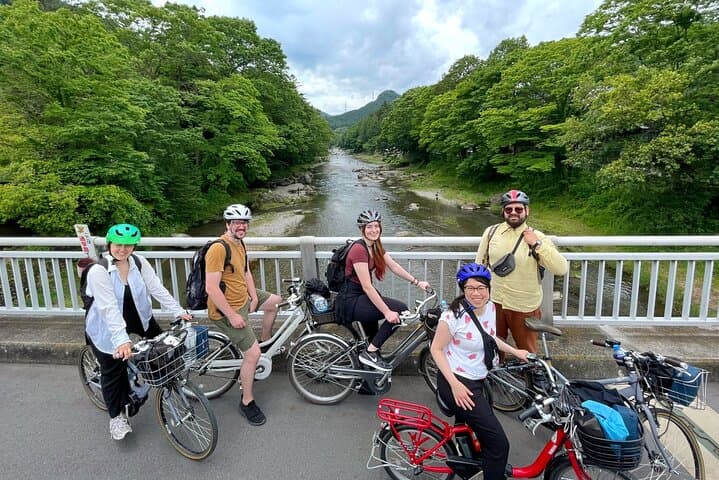
Ride electric bikes into the Akigawa Valley for river trekking, temple stops, a riverside lunch, and a hot‑spring footbath—all in a six‑hour day trip from Tokyo. Expect easy e‑bike miles, short wading sections in waterproof gear, and scenic rural temples.
Ride electric bikes into the Akigawa Valley for river trekking, temple stops, a riverside lunch, and a hot‑spring footbath—all in a six‑hour day trip from Tokyo. Expect easy e‑bike miles, short wading sections in waterproof gear, and scenic rural temples.
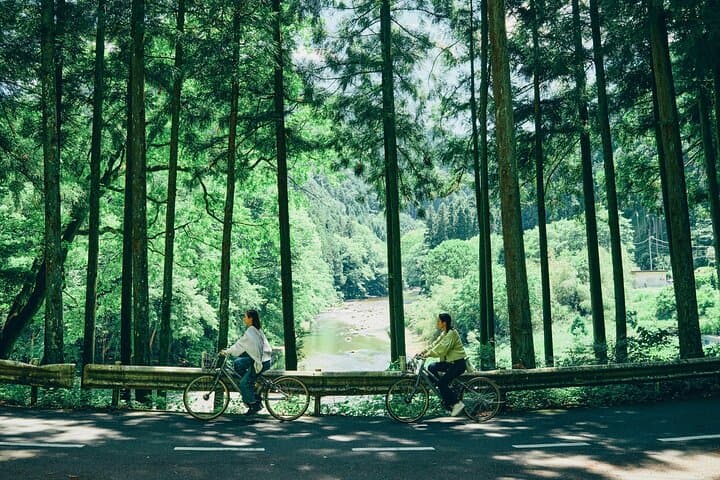
You begin on two wheels at a small base an hour from central Tokyo, the cityscape loosening as the Akigawa River threads cooler air through maples and cedar.
Verified experiences and guided adventures in the surrounding area.
Operated by 東京裏山ベース · Ome, Tokyo
You begin on two wheels at a small base an hour from central Tokyo, the cityscape loosening as the Akigawa River threads cooler air through maples and cedar.
The guide issues bikes and maps; a low hum of electric motors carries riders along river roads, past wooden temples with broad gates and a giant ginkgo that marks centuries of local devotion. The valley smells of damp earth and charcoal—reminders that this pocket of western Tokyo was once shaped by Edo‑period forestry and charcoal production that fed the city below.
Geology here is folded sediment and river-smoothed granite; the stream has cut terraces that host narrow rice paddies and copses of beech. Culture is quiet and service‑minded: family cafes, shrines with polished stones, and riverside lunch spots where you eat a simple Cuba sandwich while the current seems to dare you to wade.
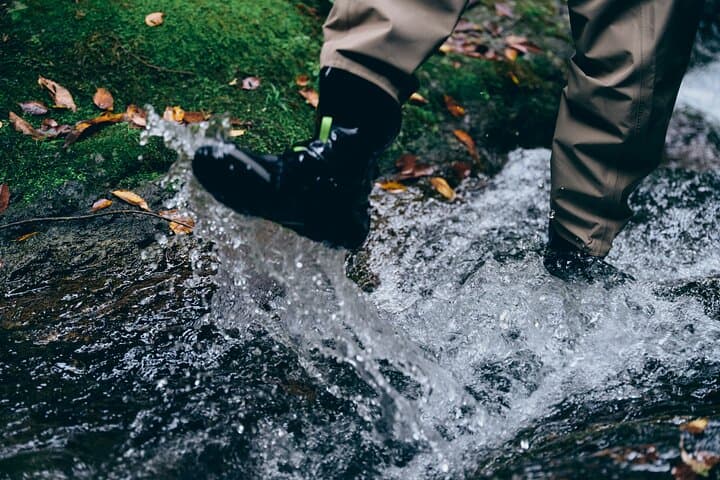
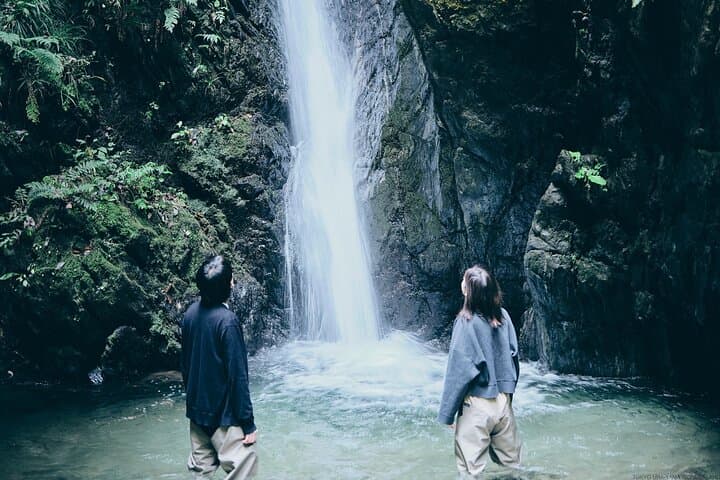
Midday brings the river trek: waterproof gear lets you pick your line through shallow riffles to a hidden cascade, water nudging ankles and calves before a hot‑spring footbath soothes circulation. The final short ride crosses a swinging bridge and finishes with small shops selling local sweets and crafts.
Practical guidance: the full loop is a half‑day (about six hours), with roughly 10–20 km of easy e‑bike riding and short on‑foot river sections; expect modest elevation changes (a few hundred meters cumulative). Bring quick‑dry shoes, a light waterproof layer, and a small daypack for camera and snacks. Trains link back to central Tokyo, but check schedules—this is rural service. Travel with a guide if you want navigation and local stories.
moderate.
6 hours.
Suitable for most people who can ride a bike for short distances and handle 20–40 minutes of walking/wading; not overly strenuous.
The tour is rated easy–moderate: electric bikes reduce pedaling effort and river sections are short, but you should be comfortable standing and walking on uneven, wet surfaces.
Yes—waterproof wear is included in the tour price, though many travelers still bring quick‑dry shoes of their own.
Yes—the base is accessible by regional train about an hour from Tokyo; the operator will provide meeting instructions and nearest station details.
Age and safety restrictions vary—bookings collect age and height, and the guide will advise if children can safely participate in river sections.
The Akigawa valley supplied charcoal and timber to Edo; small temples and forest roads reflect that forestry heritage.
Small group sizes and waterproof rentals reduce impact; stick to marked paths, pack out waste, and avoid disturbing riverbanks to protect water quality.
東京裏山ベース operates guided outdoor trips and adventures with an emphasis on safety, stewardship, and memorable experiences.
You begin on two wheels at a small base an hour from central Tokyo, the cityscape loosening as the Akigawa River threads cooler air through maples and cedar.
You begin on two wheels at a small base an hour from central Tokyo, the cityscape loosening as the Akigawa River threads cooler air through maples and cedar.
The guide issues bikes and maps; a low hum of electric motors carries riders along river roads, past wooden temples with broad gates and a giant ginkgo that marks centuries of local devotion. The valley smells of damp earth and charcoal—reminders that this pocket of western Tokyo was once shaped by Edo‑period forestry and charcoal production that fed the city below.
Geology here is folded sediment and river-smoothed granite; the stream has cut terraces that host narrow rice paddies and copses of beech. Culture is quiet and service‑minded: family cafes, shrines with polished stones, and riverside lunch spots where you eat a simple Cuba sandwich while the current seems to dare you to wade.
Midday brings the river trek: waterproof gear lets you pick your line through shallow riffles to a hidden cascade, water nudging ankles and calves before a hot‑spring footbath soothes circulation. The final short ride crosses a swinging bridge and finishes with small shops selling local sweets and crafts.
Practical guidance: the full loop is a half‑day (about six hours), with roughly 10–20 km of easy e‑bike riding and short on‑foot river sections; expect modest elevation changes (a few hundred meters cumulative). Bring quick‑dry shoes, a light waterproof layer, and a small daypack for camera and snacks. Trains link back to central Tokyo, but check schedules—this is rural service. Travel with a guide if you want navigation and local stories.