THE ADVENTURE COLLECTIVE® · Independent discovery and booking for outdoor travel

Walk Oslo’s Akerselva from headwaters to food hall on a private 3.5-hour route that mixes forested trails, preserved wooden streets, industrial waterfalls and an optional tasting at Mathallen. A local guide connects geology, history and contemporary food culture en route.
Walk Oslo’s Akerselva from headwaters to food hall on a private 3.5-hour route that mixes forested trails, preserved wooden streets, industrial waterfalls and an optional tasting at Mathallen. A local guide connects geology, history and contemporary food culture en route.
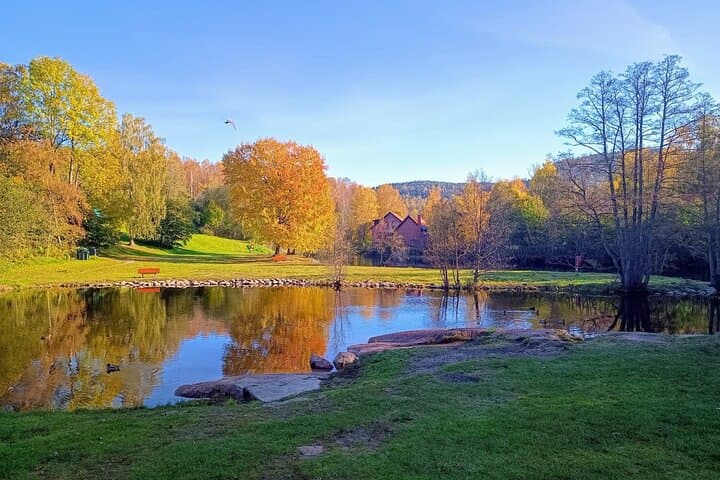
You step off a commuter train at Kjelsås and the city loosens its grip: pine-scented paths, wooden villas, and the hush of Maridalsvannet giving rise to a river that will guide your feet back toward the fjord.
Verified experiences and guided adventures in the surrounding area.
Operated by When in Norway · Oslo, Oslo
You step off a commuter train at Kjelsås and the city loosens its grip: pine-scented paths, wooden villas, and the hush of Maridalsvannet giving rise to a river that will guide your feet back toward the fjord.
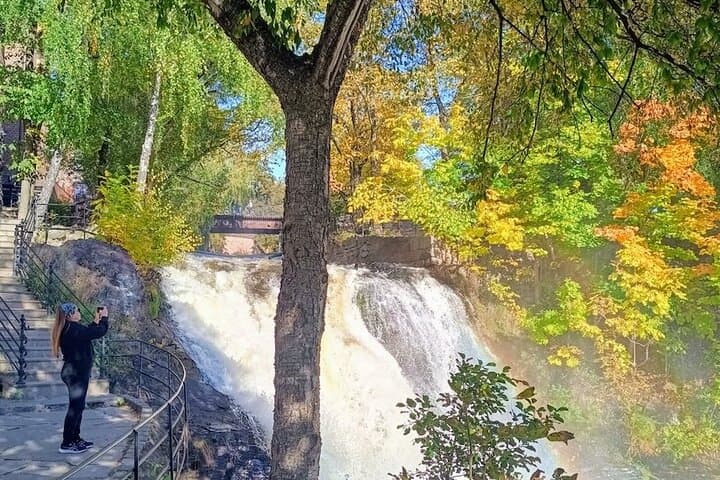
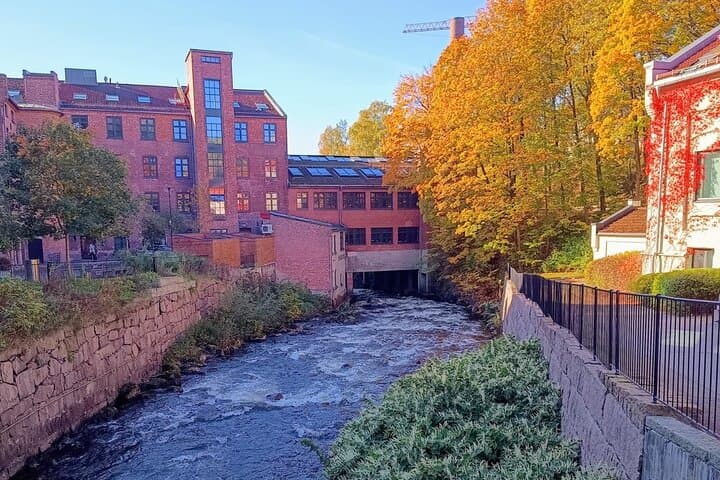
The Private Akerselva River Walk threads 6 km of contrasts—soft forest tracks near the Technical Museum, then a slow reveal of waterfalls, old mill races and brick factory façades where 19th-century industry once turned water into power. Guides point out Telthusbakken and Damstredet, streets of tightly packed wooden houses that survived urban change and now make for excellent photo stops. The river’s channel follows glacially carved valleys; bedrock exposures and small rapids show how Oslo’s landscape was shaped by ice and water over millennia.
Culture flows as plainly as the river. You’ll end in Vulkan’s Mathallen, an indoor food market that highlights Norwegian seafood, charcuterie and local cheeses—perfect for an optional tasting and a primer on contemporary Oslo food culture. If time allows, extend your walk into Grünerløkka’s cafes and galleries.
Practical side: the route is about 6 km and takes roughly 3.5 hours including public-transport legs. Terrain is mostly maintained footpaths and city sidewalks with occasional stairs near falls; comfortable walking shoes and weatherproof layers are a must. Guides provide a public transport ticket home, but check tram and bus schedules if you plan to linger. Bring a refillable water bottle, a charged phone for maps, and a light pack—the walk balances easy footing with steady urban elevation changes, and is suitable for most fitness levels.
easy.
3–4 hours.
Suitable for most people who can walk 6 km; a reasonable standard of fitness and mobility needed for stairs and short elevation changes.
The guided route covers about 6 km and runs around 3.5 hours including the train leg to Kjelsås and time in Mathallen.
Children 10+ are recommended; some stairs and narrow wooden stairs in Telthusbakken make strollers impractical.
No—the tasting is optional; guides will recommend vendors and you can pay for any purchases yourself.
The tour operates in most weather; dress appropriately. Cancellation for a full refund is available if you cancel at least 24 hours before departure.
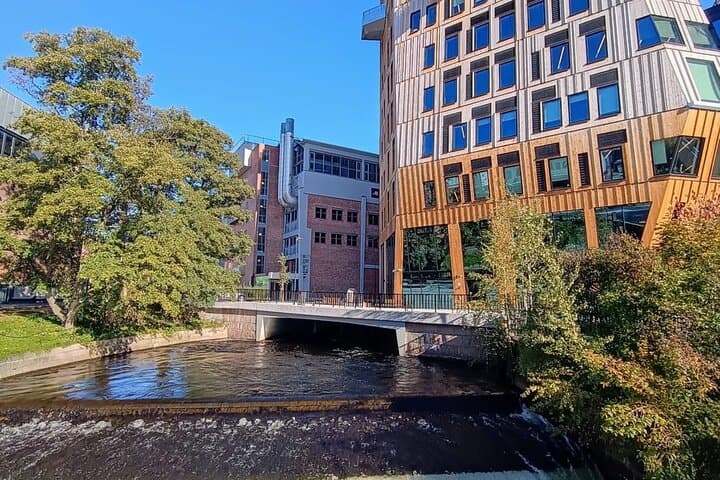
Akerselva powered Oslo’s 19th-century industrial boom—textile mills, sawmills and machinery shops lined its banks and shaped neighborhoods that transformed into creative districts.
Local groups work to improve water quality and riverbank habitats; visitors help by staying on paths, avoiding litter, and not disturbing nesting birds.
When in Norway operates guided outdoor trips and adventures with an emphasis on safety, stewardship, and memorable experiences.
You step off a commuter train at Kjelsås and the city loosens its grip: pine-scented paths, wooden villas, and the hush of Maridalsvannet giving rise to a river that will guide your feet back toward the fjord.
You step off a commuter train at Kjelsås and the city loosens its grip: pine-scented paths, wooden villas, and the hush of Maridalsvannet giving rise to a river that will guide your feet back toward the fjord.
The Private Akerselva River Walk threads 6 km of contrasts—soft forest tracks near the Technical Museum, then a slow reveal of waterfalls, old mill races and brick factory façades where 19th-century industry once turned water into power. Guides point out Telthusbakken and Damstredet, streets of tightly packed wooden houses that survived urban change and now make for excellent photo stops. The river’s channel follows glacially carved valleys; bedrock exposures and small rapids show how Oslo’s landscape was shaped by ice and water over millennia.
Culture flows as plainly as the river. You’ll end in Vulkan’s Mathallen, an indoor food market that highlights Norwegian seafood, charcuterie and local cheeses—perfect for an optional tasting and a primer on contemporary Oslo food culture. If time allows, extend your walk into Grünerløkka’s cafes and galleries.
Practical side: the route is about 6 km and takes roughly 3.5 hours including public-transport legs. Terrain is mostly maintained footpaths and city sidewalks with occasional stairs near falls; comfortable walking shoes and weatherproof layers are a must. Guides provide a public transport ticket home, but check tram and bus schedules if you plan to linger. Bring a refillable water bottle, a charged phone for maps, and a light pack—the walk balances easy footing with steady urban elevation changes, and is suitable for most fitness levels.