THE ADVENTURE COLLECTIVE® · Independent discovery and booking for outdoor travel

Spend a full day from Mérida combining the compact, columned ruins of Aké with the striking cenotes around Homún. Swim in crystal caves, learn Maya history at a rare circular pyramid, and sample regional cuisine on a single full-day outing.
Spend a full day from Mérida combining the compact, columned ruins of Aké with the striking cenotes around Homún. Swim in crystal caves, learn Maya history at a rare circular pyramid, and sample regional cuisine on a single full-day outing.
The day opens on a low, sun-washed road out of Mérida, the van humming as scrubby bush and low limestone give way to open fields and the first hints of Maya stone. At Aké, wind and light carve shadows through rows of stout columns; you can almost hear the Sacbé — the ancient white road — stretching across centuries as you climb a squat circular pyramid and look across a flat, cactus-dotted plain.
Verified experiences and guided adventures in the surrounding area.
Operated by Stap Travel Tours · Homún, Yucatán
The day opens on a low, sun-washed road out of Mérida, the van humming as scrubby bush and low limestone give way to open fields and the first hints of Maya stone. At Aké, wind and light carve shadows through rows of stout columns; you can almost hear the Sacbé — the ancient white road — stretching across centuries as you climb a squat circular pyramid and look across a flat, cactus-dotted plain.
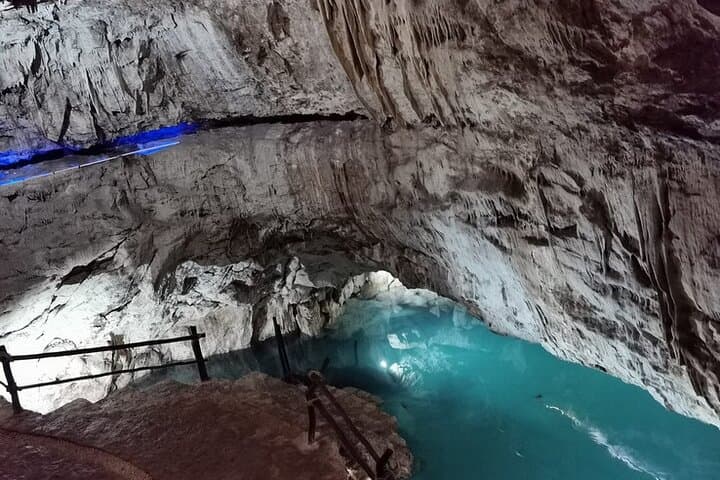
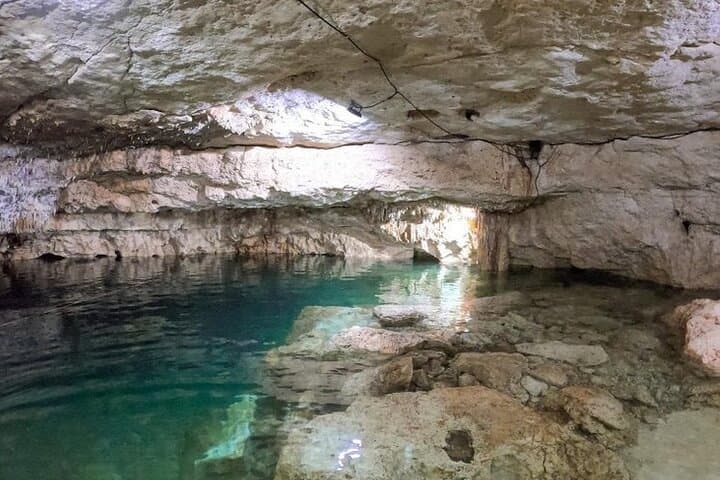
The tour then moves to Homún, where the ground drops away into water. Cenotes here read like different moods: Paxixi is an open bowl of green-blue light, Chulul yawns semi-open with stalactites brushing the surface and small fish that nibble at your feet, and Homúnja offers cavern silence pierced by a single sunbeam that dares you into the cold.
Geology and culture share the same sentence in Yucatán: cenotes are sinkholes in porous limestone fed by an underground freshwater network that sustained the ancient Maya and still sustains local villages. Lunch is regional Maya fare served simply; local guides explain rituals and the archaeological context that links these wells to both daily life and sacred practice.
Practical essentials: expect a 9–10 hour day and about an hour’s drive each way from Mérida, flat terrain with minimal walking but plenty of steps into cenotes. Life jackets and restrooms are available at most stops; bring water, biodegradable sunscreen, water shoes, and a quick-dry change of clothes. Morning light is best for photography and smaller crowds; don’t leave trash near fragile cenote rims. This tour pairs easy hiking and swimming with a direct lesson in Yucatán’s underground world.
moderate.
9–10 hours.
Light to moderate — no technical hiking but requires mobility for steps and getting in/out of cenotes
The tour runs about 9–10 hours with roughly an hour’s drive each way from Mérida, plus short transfers between sites.
Yes—guides typically provide life jackets and most visited cenotes have basic restroom facilities and changing areas.
Most cenotes are suitable for casual swimmers and life vests are provided; pregnant travelers or those with serious heart or back conditions are advised not to participate.
Lunch is included with a regional dish choice; notify the operator of dietary restrictions in advance so they can accommodate alternatives.
Aké and surrounding sites sit along traditional Sacbés; the region’s circular pyramids are an uncommon Maya architectural form tied to local ceremonial practices.
Cenote ecosystems are fragile—the tour supports local fees and guides who enforce no-litter policies and encourage biodegradable products to protect groundwater.
Stap Travel Tours operates guided outdoor trips and adventures with an emphasis on safety, stewardship, and memorable experiences.


The day opens on a low, sun-washed road out of Mérida, the van humming as scrubby bush and low limestone give way to open fields and the first hints of Maya stone. At Aké, wind and light carve shadows through rows of stout columns; you can almost hear the Sacbé — the ancient white road — stretching across centuries as you climb a squat circular pyramid and look across a flat, cactus-dotted plain.
The day opens on a low, sun-washed road out of Mérida, the van humming as scrubby bush and low limestone give way to open fields and the first hints of Maya stone. At Aké, wind and light carve shadows through rows of stout columns; you can almost hear the Sacbé — the ancient white road — stretching across centuries as you climb a squat circular pyramid and look across a flat, cactus-dotted plain.
The tour then moves to Homún, where the ground drops away into water. Cenotes here read like different moods: Paxixi is an open bowl of green-blue light, Chulul yawns semi-open with stalactites brushing the surface and small fish that nibble at your feet, and Homúnja offers cavern silence pierced by a single sunbeam that dares you into the cold.
Geology and culture share the same sentence in Yucatán: cenotes are sinkholes in porous limestone fed by an underground freshwater network that sustained the ancient Maya and still sustains local villages. Lunch is regional Maya fare served simply; local guides explain rituals and the archaeological context that links these wells to both daily life and sacred practice.
Practical essentials: expect a 9–10 hour day and about an hour’s drive each way from Mérida, flat terrain with minimal walking but plenty of steps into cenotes. Life jackets and restrooms are available at most stops; bring water, biodegradable sunscreen, water shoes, and a quick-dry change of clothes. Morning light is best for photography and smaller crowds; don’t leave trash near fragile cenote rims. This tour pairs easy hiking and swimming with a direct lesson in Yucatán’s underground world.