THE ADVENTURE COLLECTIVE® · Independent discovery and booking for outdoor travel

A full-day guided transfer from Chefchaouen to Akchour takes hikers across the Rif’s limestone ridges to God’s Bridge and a string of waterfalls. Expect river crossings, shaded canyon walks, and swim-ready plunge pools on a roughly 10–12 km round-trip hike that finishes back in town by late afternoon.
A full-day guided transfer from Chefchaouen to Akchour takes hikers across the Rif’s limestone ridges to God’s Bridge and a string of waterfalls. Expect river crossings, shaded canyon walks, and swim-ready plunge pools on a roughly 10–12 km round-trip hike that finishes back in town by late afternoon.
By midmorning the van eases out of Chefchaouen’s blue alleys and the road climbs into the Rif’s folded ridges. The air sharpens; limestone faces begin to show veins and fissures that the river has been picking apart for millennia. At the trailhead in the village of Akchour, the guide gestures toward a narrow gorge where water has carved an almost architectural arch—God’s Bridge—and the river dares hikers with pockets of glassy pools. The route moves with the river, alternately shaded by cork and oak, then exposed to sunlit terraces where the view opens to distant ridgelines.
Verified experiences and guided adventures in the surrounding area.
Operated by Xauen Tours · Chefchaouen, Tanger-Tetouan-Al Hoceima
By midmorning the van eases out of Chefchaouen’s blue alleys and the road climbs into the Rif’s folded ridges. The air sharpens; limestone faces begin to show veins and fissures that the river has been picking apart for millennia. At the trailhead in the village of Akchour, the guide gestures toward a narrow gorge where water has carved an almost architectural arch—God’s Bridge—and the river dares hikers with pockets of glassy pools. The route moves with the river, alternately shaded by cork and oak, then exposed to sunlit terraces where the view opens to distant ridgelines.
Geology and human story are braided here. The Rif Mountains are young, tectonically pushed and eroded into steep escarpments; the waterfalls are where softer limestone gives way beneath running water, creating plunge pools and natural steps. Locals—largely Amazigh (Berber) communities—have used these springs for centuries; terraces and small settlements in the valley still show traditional stonework and the region’s reliance on seasonal irrigation.
The hike to the high waterfall is a practical pleasure: about 10–12 km round trip with roughly 300–400 m of cumulative ascent, most of it on packed dirt, limestone scree and flagged stone. Expect river crossings on flat stones and a couple of short, steeper gullies where the path narrows. In spring the river sings loudest and the pools are fullest; in summer the flow softens and the plunge pools become inviting swimming spots. Wildlife punctuates the walk—lizards sun on rocks, and if you keep quiet you may see chukar partridges or hear the scratch of a fox in the brush at dusk.
Practicalities: guided transfers from Chefchaouen simplify logistics and get you back by late afternoon. Wear shoes with grippy soles, bring a light daypack with 2–3 liters of water, and pack a quick-dry layer—mountain weather can change. If you plan to swim, bring a towel and a dry bag; the current can be strong in late winter and spring. Respect local customs: modest swimwear is common near villages, and tipping guides and drivers is customary for quality service.
This is a day that balances effortless landscape—arches, plunge pools, shaded river walks—with a runnable dose of trail. For travelers based in Chefchaouen, it’s the most direct encounter with the Rif’s geology and village life, and a practical, rejuvenating escape into water and stone.
moderate.
5–6 hours.
Moderately fit—comfortable walking 10–12 km over uneven terrain with short steep sections.
The trail is moderate: roughly 10–12 km round trip with some uneven and steep sections; no technical climbing required but good footwear and reasonable fitness are recommended.
Yes in summer and late summer the pools are popular, but the guide will advise when currents are too strong—avoid swimming after heavy rain or in spring melt when flow is high.
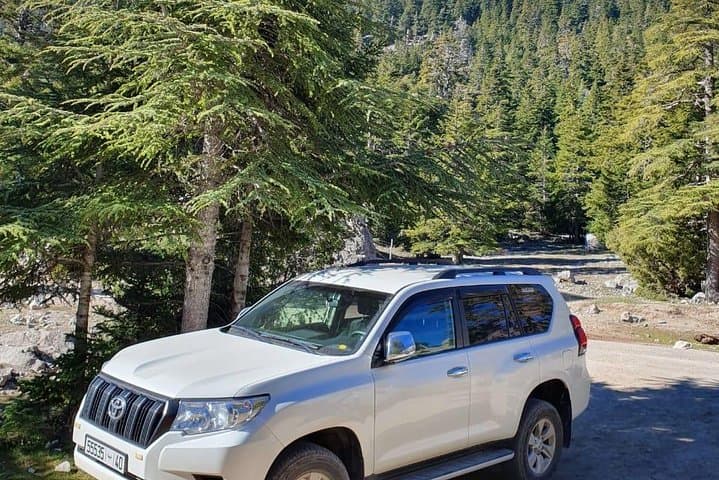
Yes—private air-conditioned transport is included with hotel pickup options in Chefchaouen and return to town by late afternoon.
Families with children commonly join; infants may ride in strollers only on flat sections—service animals are allowed but assess river crossings and rough terrain before bringing pets.
There is no formal national park fee for Akchour, but some local sites may request a small community contribution; the tour covers guidance and transport, but carry small cash just in case.
For a full refund cancel at least 24 hours before departure; same-day cancellations are not refundable per the operator’s terms.
Akchour’s valley has supported Amazigh (Berber) communities for centuries; the river’s water and small terrace farms shaped local settlement patterns.
The area sees growing visitor numbers—stick to marked trails, avoid leaving waste, and support local guides to ensure tourism benefits nearby communities.
Xauen Tours operates guided outdoor trips and adventures with an emphasis on safety, stewardship, and memorable experiences.
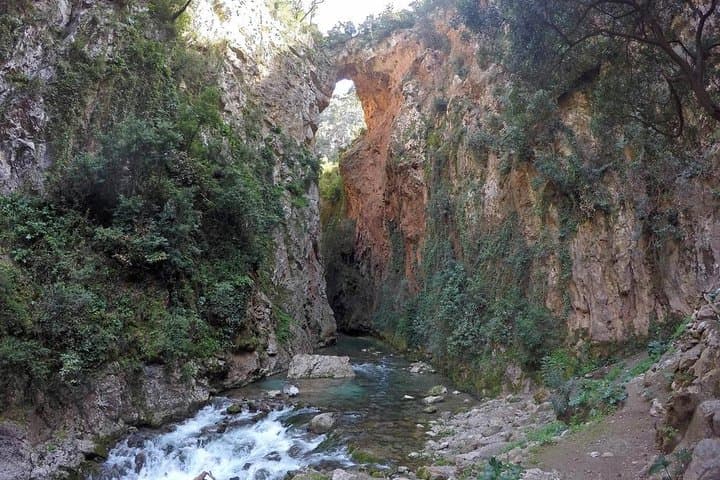
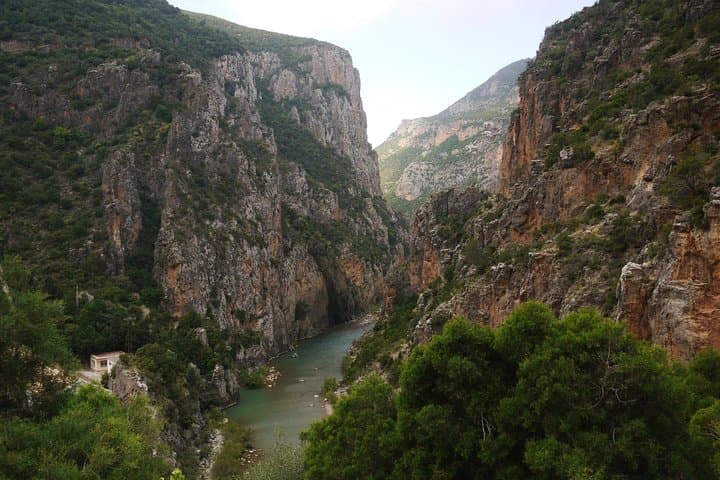
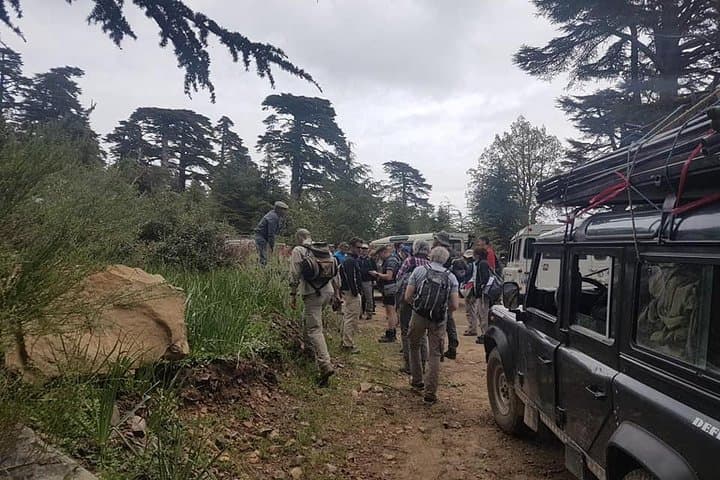
By midmorning the van eases out of Chefchaouen’s blue alleys and the road climbs into the Rif’s folded ridges. The air sharpens; limestone faces begin to show veins and fissures that the river has been picking apart for millennia. At the trailhead in the village of Akchour, the guide gestures toward a narrow gorge where water has carved an almost architectural arch—God’s Bridge—and the river dares hikers with pockets of glassy pools. The route moves with the river, alternately shaded by cork and oak, then exposed to sunlit terraces where the view opens to distant ridgelines.
By midmorning the van eases out of Chefchaouen’s blue alleys and the road climbs into the Rif’s folded ridges. The air sharpens; limestone faces begin to show veins and fissures that the river has been picking apart for millennia. At the trailhead in the village of Akchour, the guide gestures toward a narrow gorge where water has carved an almost architectural arch—God’s Bridge—and the river dares hikers with pockets of glassy pools. The route moves with the river, alternately shaded by cork and oak, then exposed to sunlit terraces where the view opens to distant ridgelines.
Geology and human story are braided here. The Rif Mountains are young, tectonically pushed and eroded into steep escarpments; the waterfalls are where softer limestone gives way beneath running water, creating plunge pools and natural steps. Locals—largely Amazigh (Berber) communities—have used these springs for centuries; terraces and small settlements in the valley still show traditional stonework and the region’s reliance on seasonal irrigation.
The hike to the high waterfall is a practical pleasure: about 10–12 km round trip with roughly 300–400 m of cumulative ascent, most of it on packed dirt, limestone scree and flagged stone. Expect river crossings on flat stones and a couple of short, steeper gullies where the path narrows. In spring the river sings loudest and the pools are fullest; in summer the flow softens and the plunge pools become inviting swimming spots. Wildlife punctuates the walk—lizards sun on rocks, and if you keep quiet you may see chukar partridges or hear the scratch of a fox in the brush at dusk.
Practicalities: guided transfers from Chefchaouen simplify logistics and get you back by late afternoon. Wear shoes with grippy soles, bring a light daypack with 2–3 liters of water, and pack a quick-dry layer—mountain weather can change. If you plan to swim, bring a towel and a dry bag; the current can be strong in late winter and spring. Respect local customs: modest swimwear is common near villages, and tipping guides and drivers is customary for quality service.
This is a day that balances effortless landscape—arches, plunge pools, shaded river walks—with a runnable dose of trail. For travelers based in Chefchaouen, it’s the most direct encounter with the Rif’s geology and village life, and a practical, rejuvenating escape into water and stone.