THE ADVENTURE COLLECTIVE® · Independent discovery and booking for outdoor travel

Stand at the Akaroa Lighthouse and watch live, high-resolution images of sunspots and flares with a ZWO Seestar S50. This 30-minute guided solar tour offers hands-on astronomy, instant digital photos, and expert commentary — ideal for families and day-trippers from Christchurch.
Stand at the Akaroa Lighthouse and watch live, high-resolution images of sunspots and flares with a ZWO Seestar S50. This 30-minute guided solar tour offers hands-on astronomy, instant digital photos, and expert commentary — ideal for families and day-trippers from Christchurch.
A wind-salted headland, the Akaroa Lighthouse behind you, and the Sun above daring you to look closer — that’s the opening frame of the Solar Explorer. The group gathers on the lighthouse forecourt; a trained astronomer sets the ZWO Seestar S50, its screen buzzing as live images of sunspots and filament activity arrive in high resolution. For thirty minutes the Sun becomes a landscape: dark pores of sunspots, jagged flare edges, and the slow choreography of plasma across the photosphere.
Verified experiences and guided adventures in the surrounding area.
Operated by Akaroa Stargazing · Akaroa, Canterbury
A wind-salted headland, the Akaroa Lighthouse behind you, and the Sun above daring you to look closer — that’s the opening frame of the Solar Explorer. The group gathers on the lighthouse forecourt; a trained astronomer sets the ZWO Seestar S50, its screen buzzing as live images of sunspots and filament activity arrive in high resolution. For thirty minutes the Sun becomes a landscape: dark pores of sunspots, jagged flare edges, and the slow choreography of plasma across the photosphere.
Banks Peninsula’s harbour sits in an old volcanic caldera, and the lighthouse’s weathered stone recalls 19th-century maritime history and the French-Māori influences that shaped Akaroa. The tour ties modern optics to local character — a short, high-tech stop amid coastal walks and whale- and dolphin-watching culture.
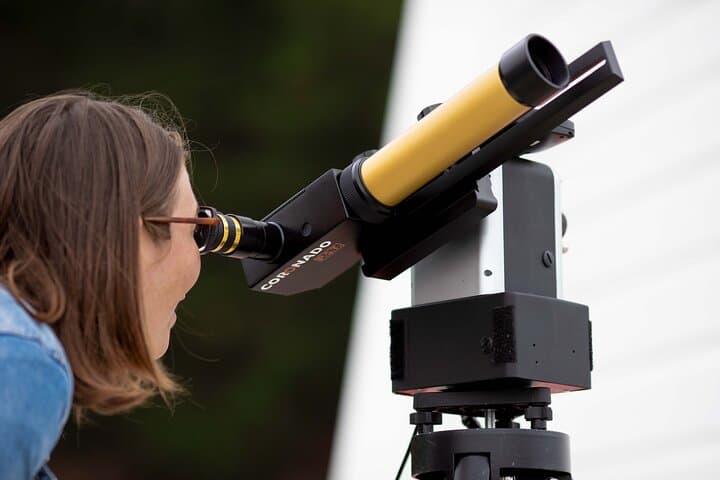
Practical notes matter here. Sessions run daily but depend on clear skies; the operator cancels in poor weather. The telescope uses certified solar filters — never look directly at the Sun without approved protection. Groups are small (up to eight), so expect hands-on time and instant digital photos to keep.
Timing and logistics: plan on a short visit combined with other Akaroa activities. Arrive early for parking and take shade or a hat — the Sun is strong even on cool days. The experience suits families and accessibility needs; minimal walking is required. Bring a charged phone for the adapter, and check the cancellation policy if clouds threaten. In thirty minutes, the nearest star stops feeling distant and starts feeling immediate.
easy.
30 minutes.
Minimal physical exertion; suitable for most fitness levels and mobility needs
Yes — the tour uses specialized solar filters on the telescope and trained staff; do not look at the Sun directly without approved equipment.
The guided session runs approximately 30 minutes and is designed as a short, educational stop.
Yes — the experience is family-friendly and wheelchair accessible with minimal walking required.
The operator cancels tours in poor weather and offers refunds if you cancel at least 24 hours prior; check the tour's cancellation policy when booking.
Akaroa sits within an eroded volcanic caldera and retains a distinct French colonial history from 19th-century settlement, reflected in street names and local cuisine.
Akaroa’s marine life, particularly Hector’s dolphins, is protected by regional guidelines; follow local operators’ advice to minimize disturbance and avoid littering the coastline.
Akaroa Stargazing operates guided outdoor trips and adventures with an emphasis on safety, stewardship, and memorable experiences.
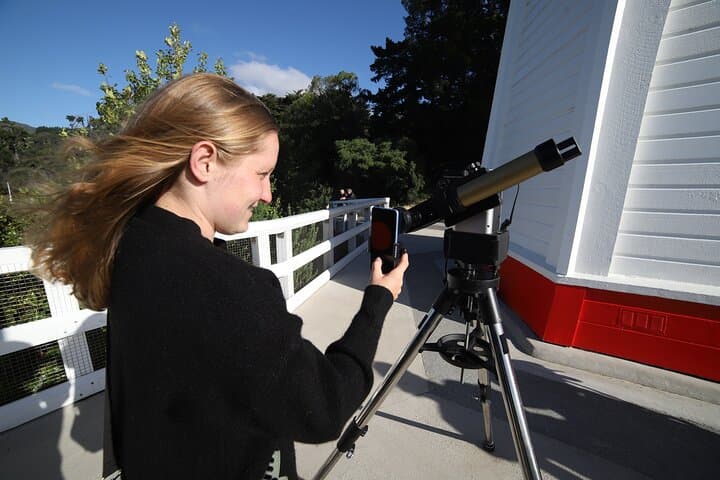
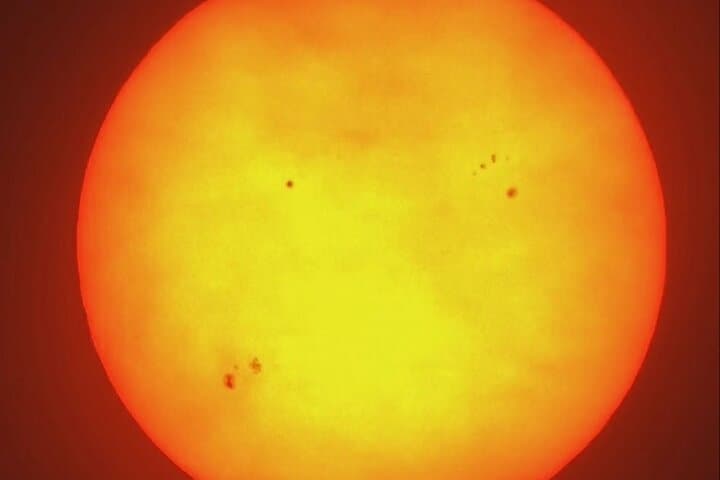
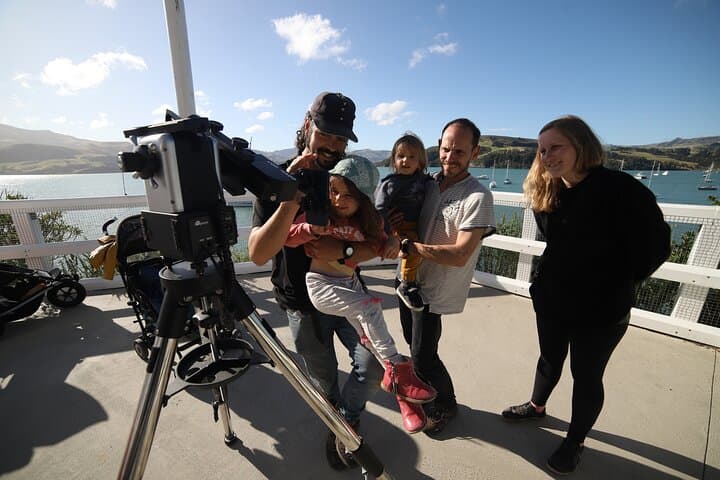
A wind-salted headland, the Akaroa Lighthouse behind you, and the Sun above daring you to look closer — that’s the opening frame of the Solar Explorer. The group gathers on the lighthouse forecourt; a trained astronomer sets the ZWO Seestar S50, its screen buzzing as live images of sunspots and filament activity arrive in high resolution. For thirty minutes the Sun becomes a landscape: dark pores of sunspots, jagged flare edges, and the slow choreography of plasma across the photosphere.
A wind-salted headland, the Akaroa Lighthouse behind you, and the Sun above daring you to look closer — that’s the opening frame of the Solar Explorer. The group gathers on the lighthouse forecourt; a trained astronomer sets the ZWO Seestar S50, its screen buzzing as live images of sunspots and filament activity arrive in high resolution. For thirty minutes the Sun becomes a landscape: dark pores of sunspots, jagged flare edges, and the slow choreography of plasma across the photosphere.
Banks Peninsula’s harbour sits in an old volcanic caldera, and the lighthouse’s weathered stone recalls 19th-century maritime history and the French-Māori influences that shaped Akaroa. The tour ties modern optics to local character — a short, high-tech stop amid coastal walks and whale- and dolphin-watching culture.
Practical notes matter here. Sessions run daily but depend on clear skies; the operator cancels in poor weather. The telescope uses certified solar filters — never look directly at the Sun without approved protection. Groups are small (up to eight), so expect hands-on time and instant digital photos to keep.
Timing and logistics: plan on a short visit combined with other Akaroa activities. Arrive early for parking and take shade or a hat — the Sun is strong even on cool days. The experience suits families and accessibility needs; minimal walking is required. Bring a charged phone for the adapter, and check the cancellation policy if clouds threaten. In thirty minutes, the nearest star stops feeling distant and starts feeling immediate.