THE ADVENTURE COLLECTIVE® · Independent discovery and booking for outdoor travel

Board a modern catamaran and scan the volcanic coastline of Akaroa Harbour for Hector’s dolphins, fur seals, little blue penguins and towering sea cliffs. This two-hour eco-cruise pairs close wildlife viewing with clear commentary on geology and conservation.
Board a modern catamaran and scan the volcanic coastline of Akaroa Harbour for Hector’s dolphins, fur seals, little blue penguins and towering sea cliffs. This two-hour eco-cruise pairs close wildlife viewing with clear commentary on geology and conservation.
The catamaran slips from Akaroa’s Main Wharf and the harbour opens like a map folded into seawater; gulls flare, and the cool breeze tugs at your layers as the skipper points toward a fleeting gray arc—Hector’s dolphins riding the bow. On deck, views widen: sheer rock faces rise in bands of rust and basalt, and the southern-most nikau palms cling to sheltered coves.
Verified experiences and guided adventures in the surrounding area.
Operated by Black Cat Cruises · Akaroa, Canterbury
The catamaran slips from Akaroa’s Main Wharf and the harbour opens like a map folded into seawater; gulls flare, and the cool breeze tugs at your layers as the skipper points toward a fleeting gray arc—Hector’s dolphins riding the bow. On deck, views widen: sheer rock faces rise in bands of rust and basalt, and the southern-most nikau palms cling to sheltered coves.
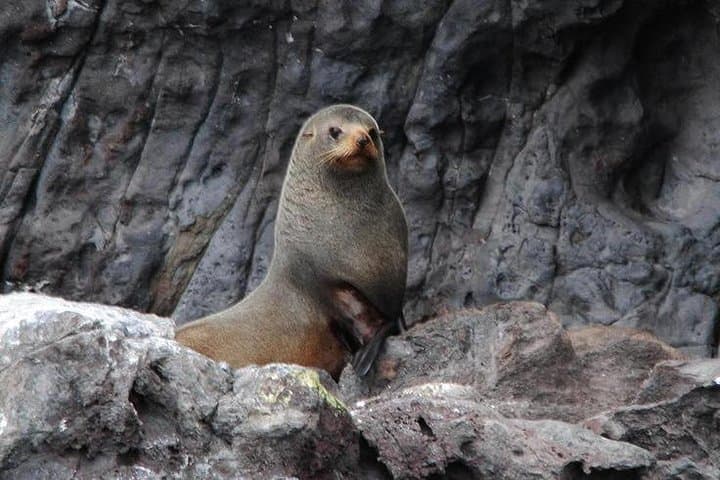
Akaroa Harbour is the caldera of an extinct volcano on Banks Peninsula. Māori used the sheltered inlets for fishing and seasonal camps; European settlers later developed the town as a port. The cliffs—some more than 500 feet—reveal layered volcanic flows and marine terraces shaped by sea level shifts. Wildlife here has personality: furtive little blue penguins ferry between sea and shore while NZ fur seals haul out on offshore rocks.
Practical guidance: the cruise runs about two hours and is suitable for all fitness levels, with indoor seating and open viewing decks. Dress in windproof layers—even summer days can be chilly on the water—bring sunscreen and a hat, and carry binoculars and a camera with a zoom. Operators work closely with the Department of Conservation and NZ Whale & Dolphin Trust; boats follow distance guidelines to minimize disturbance, but sightings are wild and never guaranteed.
Timing matters: mornings often bring calmer water and clearer light; shoulder seasons reduce crowds. Expect clear commentary from the skipper on geology, Māori and European history, and ongoing conservation projects. For a compact wildlife experience on Aotearoa’s Pacific edge, this cruise delivers both spectacle and substance.
easy.
2 hours.
Suitable for all fitness levels; requires boarding a small gangway and standing or walking on deck for portions of the cruise.
The cruise lasts about two hours and runs daily year-round except Christmas Day, but departures are weather dependent.
Hector’s dolphins are commonly spotted but sightings cannot be guaranteed—operators follow best-practice routes to maximise sightings while minimizing disturbance.
Yes; the operator lists the vessel as wheelchair accessible and provides indoor seating, but advise contacting them ahead for specific assistance needs.
Families are welcome; infants must sit on laps and strollers are permitted, though space on viewing decks can be limited.
Akaroa Harbour is the remnant of an extinct volcanic caldera on Banks Peninsula; the area has a layered history of Māori seasonal use and 19th-century European settlement.
The cruise operator works with DOC and the NZ Whale & Dolphin Trust to follow wildlife approach guidelines and contribute to local research and protection efforts.
Black Cat Cruises operates guided outdoor trips and adventures with an emphasis on safety, stewardship, and memorable experiences.

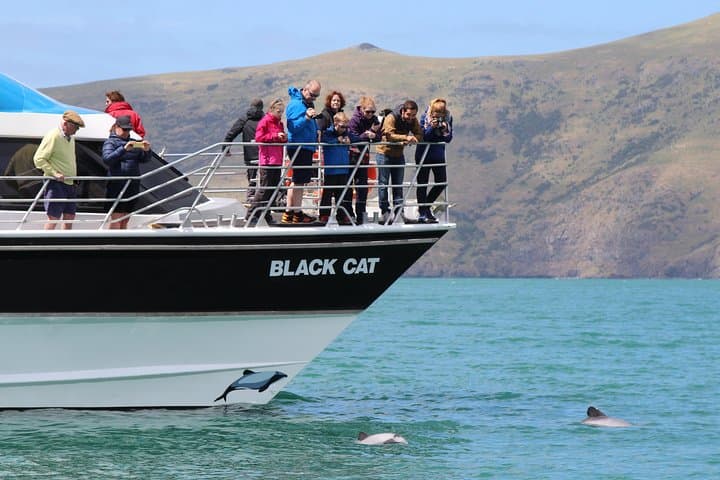

The catamaran slips from Akaroa’s Main Wharf and the harbour opens like a map folded into seawater; gulls flare, and the cool breeze tugs at your layers as the skipper points toward a fleeting gray arc—Hector’s dolphins riding the bow. On deck, views widen: sheer rock faces rise in bands of rust and basalt, and the southern-most nikau palms cling to sheltered coves.
The catamaran slips from Akaroa’s Main Wharf and the harbour opens like a map folded into seawater; gulls flare, and the cool breeze tugs at your layers as the skipper points toward a fleeting gray arc—Hector’s dolphins riding the bow. On deck, views widen: sheer rock faces rise in bands of rust and basalt, and the southern-most nikau palms cling to sheltered coves.
Akaroa Harbour is the caldera of an extinct volcano on Banks Peninsula. Māori used the sheltered inlets for fishing and seasonal camps; European settlers later developed the town as a port. The cliffs—some more than 500 feet—reveal layered volcanic flows and marine terraces shaped by sea level shifts. Wildlife here has personality: furtive little blue penguins ferry between sea and shore while NZ fur seals haul out on offshore rocks.
Practical guidance: the cruise runs about two hours and is suitable for all fitness levels, with indoor seating and open viewing decks. Dress in windproof layers—even summer days can be chilly on the water—bring sunscreen and a hat, and carry binoculars and a camera with a zoom. Operators work closely with the Department of Conservation and NZ Whale & Dolphin Trust; boats follow distance guidelines to minimize disturbance, but sightings are wild and never guaranteed.
Timing matters: mornings often bring calmer water and clearer light; shoulder seasons reduce crowds. Expect clear commentary from the skipper on geology, Māori and European history, and ongoing conservation projects. For a compact wildlife experience on Aotearoa’s Pacific edge, this cruise delivers both spectacle and substance.