THE ADVENTURE COLLECTIVE® · Independent discovery and booking for outdoor travel

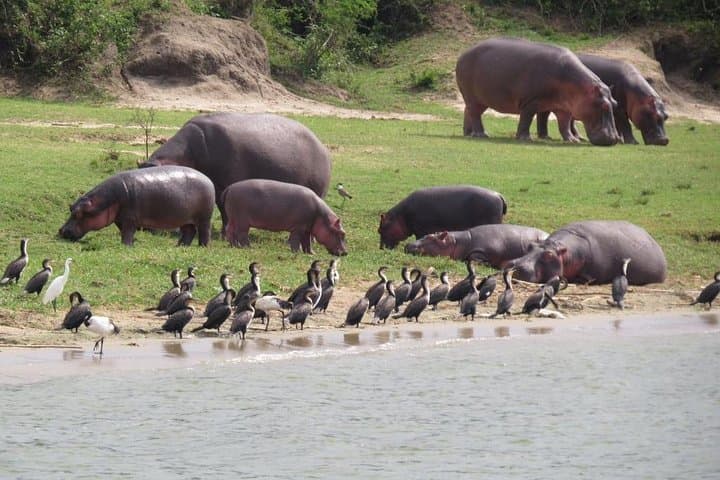
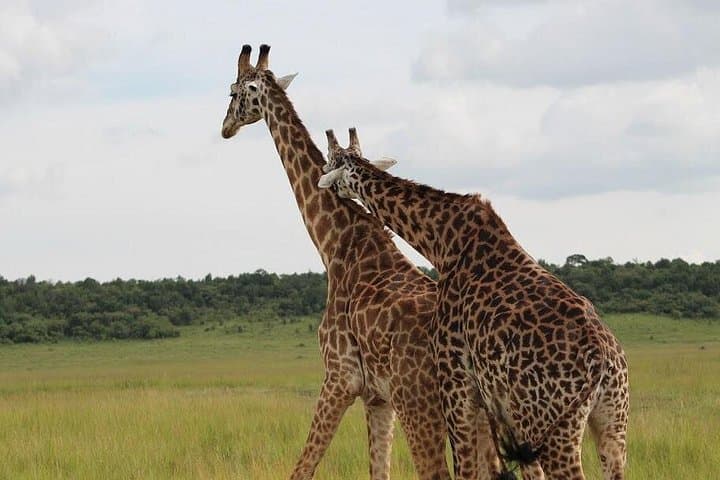
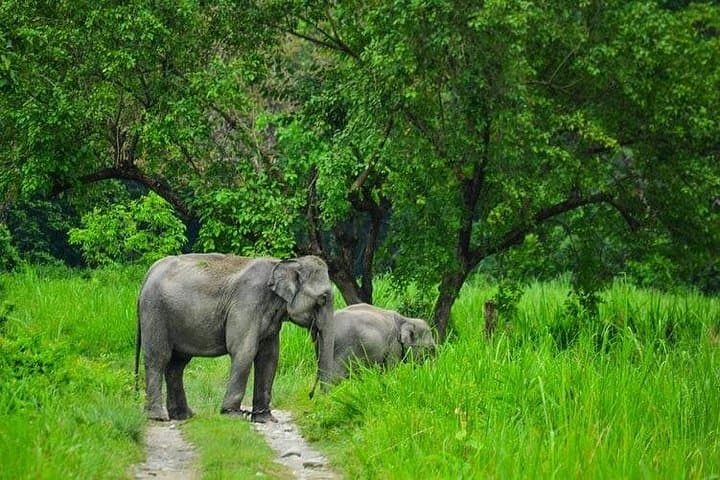
Spend a full day tracking elephants, giraffes and hippos across Akagera’s savannahs and Lake Ihema shoreline. This practical guide outlines what to expect—from terrain and wildlife to packing tips—so you can make the most of a one-day game drive from Kigali.
Spend a full day tracking elephants, giraffes and hippos across Akagera’s savannahs and Lake Ihema shoreline. This practical guide outlines what to expect—from terrain and wildlife to packing tips—so you can make the most of a one-day game drive from Kigali.
You pull away from Kigali as the city thins and the land opens into wide, sun-dulled savannahs. Akagera’s grasses lean in the breeze, and Lake Ihema’s rim gleams like a distant mirror; the guide checks the tracker, and the vehicle eases onto a rutted game road.
Verified experiences and guided adventures in the surrounding area.
Operated by Judith Safaris · Kayonza, Eastern Province
You pull away from Kigali as the city thins and the land opens into wide, sun-dulled savannahs. Akagera’s grasses lean in the breeze, and Lake Ihema’s rim gleams like a distant mirror; the guide checks the tracker, and the vehicle eases onto a rutted game road.
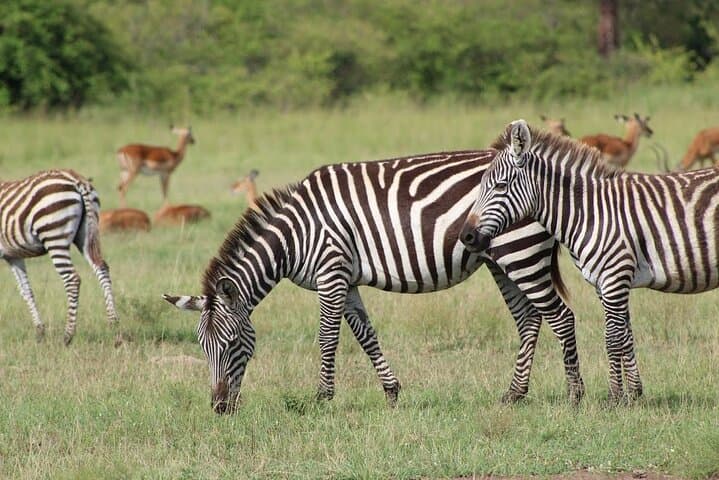
Akagera National Park sits on Rwanda’s eastern border with Tanzania, shaped by ancient rift faults that created a mosaic of savannah, wetlands and low hills. The park’s modern story includes recent reintroductions: lions and black rhinos returned as part of conservation efforts, while hippos and crocodiles still loom in the lakes. Birdwatchers chase the rare shoebill; mammal sightings run from elephants to sleek impalas.
Expect a full-day, vehicle-based safari: slow drives across mixed terrain, short stops at viewpoints, and hours scanning grass and shoreline for movement. Wildlife is wild—unpredictable and rewarding when the herd gathers or a lone giraffe steps into light. Guides here read spoor and seasonality; their local knowledge is the best tool for spotting elusive species.
Practically: departures commonly begin early from Kigali and last about eight hours, with bottled water, snacks and lunch included. Dress in muted layers, bring binoculars and sun protection, and prepare for dusty roads and occasional rain depending on the season. Health-wise, malaria precautions and a current yellow fever certificate may be required for some visitors.
A day in Akagera gives you concentrated wildlife viewing and a clear sense of Rwanda’s east — its lakes pushing against the plains, and the slow, deliberate life of a restored ecosystem.
easy.
8 hours.
Suitable for most fitness levels; mainly vehicle-based with short, easy walks at stops
The standard tour is approximately 8 hours (about 480 minutes), typically departing Kigali in the morning and returning in the evening.
Sightings are not guaranteed—lions and black rhinos have been reintroduced and are present, but they are few and can be elusive; guides maximize your odds through experience.
Most one-day game drive packages include pickup from Kigali, professional guide/driver, park entrance fees, bottled water, snacks and lunch—confirm inclusions with your operator.
Yellow fever vaccination may be required for international travel; malaria is present—consult a travel health clinic for current vaccine and prophylaxis recommendations.
Akagera’s landscape is shaped by East African rift geology; the park has also been central to recent conservation work, including species reintroductions to restore ecological balance.
Conservation efforts focus on anti-poaching, community engagement and reintroductions; visitors help by following park rules and minimizing disturbance to wildlife.
Judith Safaris operates guided outdoor trips and adventures with an emphasis on safety, stewardship, and memorable experiences.
You pull away from Kigali as the city thins and the land opens into wide, sun-dulled savannahs. Akagera’s grasses lean in the breeze, and Lake Ihema’s rim gleams like a distant mirror; the guide checks the tracker, and the vehicle eases onto a rutted game road.
You pull away from Kigali as the city thins and the land opens into wide, sun-dulled savannahs. Akagera’s grasses lean in the breeze, and Lake Ihema’s rim gleams like a distant mirror; the guide checks the tracker, and the vehicle eases onto a rutted game road.
Akagera National Park sits on Rwanda’s eastern border with Tanzania, shaped by ancient rift faults that created a mosaic of savannah, wetlands and low hills. The park’s modern story includes recent reintroductions: lions and black rhinos returned as part of conservation efforts, while hippos and crocodiles still loom in the lakes. Birdwatchers chase the rare shoebill; mammal sightings run from elephants to sleek impalas.
Expect a full-day, vehicle-based safari: slow drives across mixed terrain, short stops at viewpoints, and hours scanning grass and shoreline for movement. Wildlife is wild—unpredictable and rewarding when the herd gathers or a lone giraffe steps into light. Guides here read spoor and seasonality; their local knowledge is the best tool for spotting elusive species.
Practically: departures commonly begin early from Kigali and last about eight hours, with bottled water, snacks and lunch included. Dress in muted layers, bring binoculars and sun protection, and prepare for dusty roads and occasional rain depending on the season. Health-wise, malaria precautions and a current yellow fever certificate may be required for some visitors.
A day in Akagera gives you concentrated wildlife viewing and a clear sense of Rwanda’s east — its lakes pushing against the plains, and the slow, deliberate life of a restored ecosystem.