THE ADVENTURE COLLECTIVE® · Independent discovery and booking for outdoor travel

A full-day game drive from Kigali into Akagera National Park offers savanna game viewing, wetlands boat prospects and a chance to see reintroduced species like black rhino and large herds of elephant. Expect early departures, dusty tracks and sustained wildlife watching with a lodge lunch midday.
A full-day game drive from Kigali into Akagera National Park offers savanna game viewing, wetlands boat prospects and a chance to see reintroduced species like black rhino and large herds of elephant. Expect early departures, dusty tracks and sustained wildlife watching with a lodge lunch midday.
Dawn bleeds into the eastern plains as the convoy rolls toward Akagera National Park, the savanna waking under a wide African sky. The driver cuts the engine at a vantage point and the silence is broken only by birds—Akagera’s lakes and river channels dare you to keep still while hippos snort and elephants shift the grasses.
Verified experiences and guided adventures in the surrounding area.
Operated by Samsons Safaris · Kayonza, Eastern Province
Dawn bleeds into the eastern plains as the convoy rolls toward Akagera National Park, the savanna waking under a wide African sky. The driver cuts the engine at a vantage point and the silence is broken only by birds—Akagera’s lakes and river channels dare you to keep still while hippos snort and elephants shift the grasses.
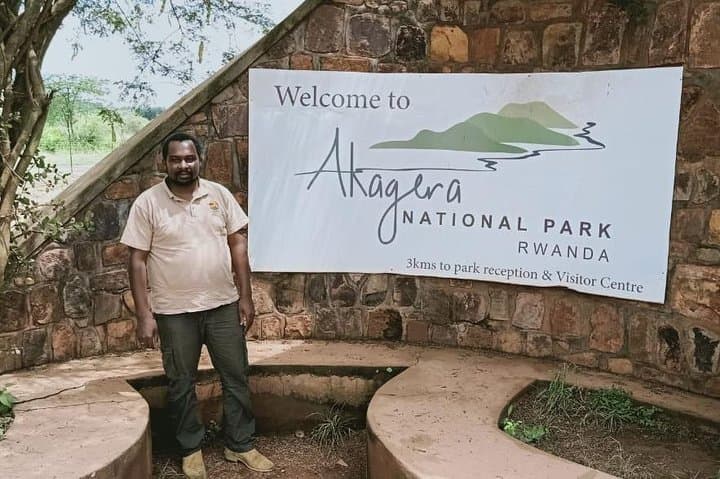
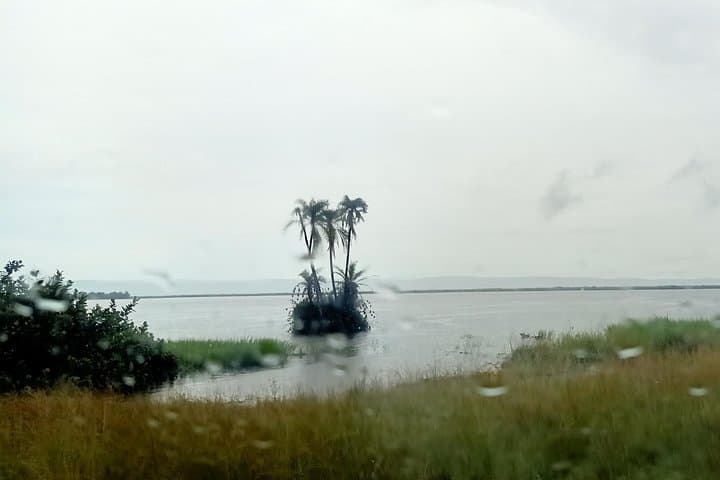
Akagera sits on Rwanda’s northeastern border, a landscape shaped by rift lakes, grassy floodplains and low wooded hills. Protected since the 1930s, the park combines savanna ecology with Lake Ihema’s wetlands; recent conservation efforts have reintroduced black rhino and rebuilt predator-prey dynamics after decades of disturbance. Local communities around Kayonza and Rwinkwavu have layered culture onto the park’s story—fishing, seasonal grazing and village markets speak to human rhythms tied to the land.
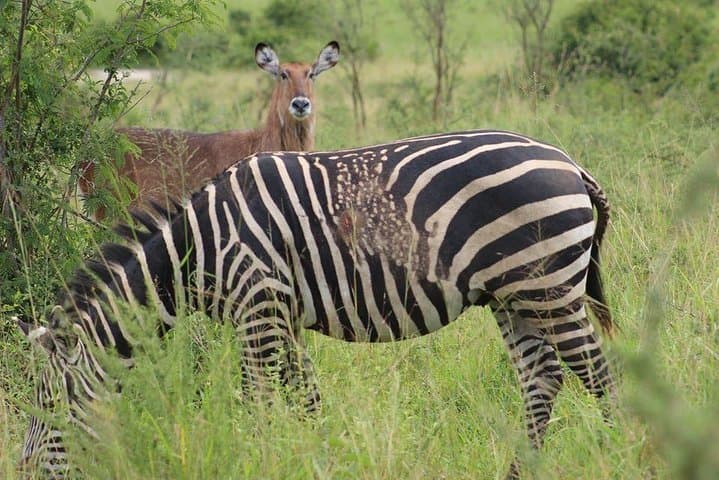
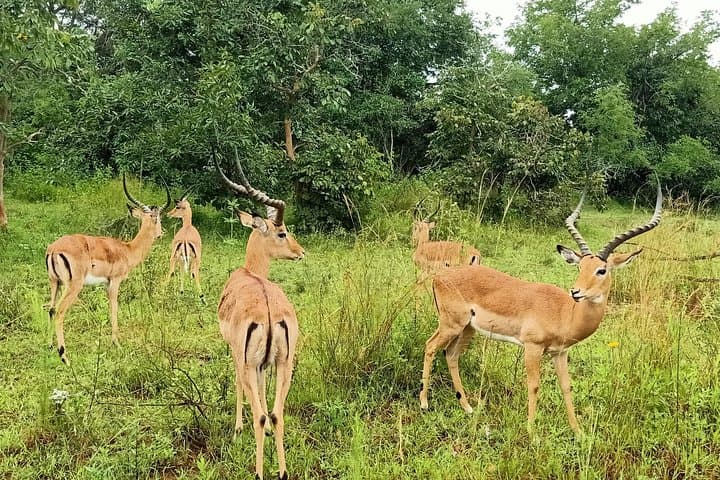
On a full-day game drive you can expect long glassing sessions, variable dirt tracks and midday respite at a lodge. Wildlife viewing is vehicle-based; guides read spoor and patience is rewarded with elephants, lions, giraffes, buffalo and abundant birdlife. Boat options on Ihema add a different pace—water that pushes you forward with each silent motor stroke.
Practical guidance: start early (pickups often leave Kigali by 5:00), bring binoculars and layers for cool mornings, and carry sunscreen and insect repellent. Roads inside the park are bumpy—secure loose gear and keep cameras accessible. Respect viewing distances, follow your guide’s instructions, and plan for a long day with bottled water and sturdy shoes. This is a wildlife day that asks only that you arrive curious and steady.
easy.
12 hours.
Suitable for most fitness levels; requires tolerance for long periods in a vehicle and short walks if visiting viewpoints.
The transfer is about 2–2.5 hours one-way depending on traffic and the exact pickup point in Kigali.
Sightings aren’t guaranteed, but Akagera’s reintroduction programs make elephants, buffalo, lions and rhinos increasingly likely; luck and timing matter.
Most full-day tours include bottled water and lunch; confirm whether park entrance fees are covered when booking.
The tour is generally family-friendly, but it’s not recommended for pregnant travelers; check operator guidance for child age policies.
Akagera was protected in the 1930s and has undergone major restoration in recent decades, including rhino reintroductions to rebuild ecosystem balance.
Community-driven tourism and anti-poaching units have been crucial to recovery; visitors support local economies and conservation through park fees and guided experiences.
Samsons Safaris operates guided outdoor trips and adventures with an emphasis on safety, stewardship, and memorable experiences.
Dawn bleeds into the eastern plains as the convoy rolls toward Akagera National Park, the savanna waking under a wide African sky. The driver cuts the engine at a vantage point and the silence is broken only by birds—Akagera’s lakes and river channels dare you to keep still while hippos snort and elephants shift the grasses.
Dawn bleeds into the eastern plains as the convoy rolls toward Akagera National Park, the savanna waking under a wide African sky. The driver cuts the engine at a vantage point and the silence is broken only by birds—Akagera’s lakes and river channels dare you to keep still while hippos snort and elephants shift the grasses.
Akagera sits on Rwanda’s northeastern border, a landscape shaped by rift lakes, grassy floodplains and low wooded hills. Protected since the 1930s, the park combines savanna ecology with Lake Ihema’s wetlands; recent conservation efforts have reintroduced black rhino and rebuilt predator-prey dynamics after decades of disturbance. Local communities around Kayonza and Rwinkwavu have layered culture onto the park’s story—fishing, seasonal grazing and village markets speak to human rhythms tied to the land.
On a full-day game drive you can expect long glassing sessions, variable dirt tracks and midday respite at a lodge. Wildlife viewing is vehicle-based; guides read spoor and patience is rewarded with elephants, lions, giraffes, buffalo and abundant birdlife. Boat options on Ihema add a different pace—water that pushes you forward with each silent motor stroke.
Practical guidance: start early (pickups often leave Kigali by 5:00), bring binoculars and layers for cool mornings, and carry sunscreen and insect repellent. Roads inside the park are bumpy—secure loose gear and keep cameras accessible. Respect viewing distances, follow your guide’s instructions, and plan for a long day with bottled water and sturdy shoes. This is a wildlife day that asks only that you arrive curious and steady.