THE ADVENTURE COLLECTIVE® · Independent discovery and booking for outdoor travel

A full-day safari from Kigali that delivers the Big Five along the eastern edge of Rwanda. Plan for an early start, long windows of wildlife viewing, and a scenic drive across changing landscapes.
A full-day safari from Kigali that delivers the Big Five along the eastern edge of Rwanda. Plan for an early start, long windows of wildlife viewing, and a scenic drive across changing landscapes.
You leave Kigali before dawn and the hills give way to a wide, sunlit plain; the road eases, and the air becomes filled with the simple, animal-paced rhythm of Akagera. Early light picks out islands of papyrus and the glass-smooth surface of Lake Ihema while distant termite mounds cut the horizon like small, deliberate monuments.
Verified experiences and guided adventures in the surrounding area.
Operated by Kawira Safaris Ltd · Kigali, Eastern Province
You leave Kigali before dawn and the hills give way to a wide, sunlit plain; the road eases, and the air becomes filled with the simple, animal-paced rhythm of Akagera. Early light picks out islands of papyrus and the glass-smooth surface of Lake Ihema while distant termite mounds cut the horizon like small, deliberate monuments.
Akagera sits on Rwanda’s eastern edge where the highland topography of the country meets the savanna of the Great Rift Valley. The park was designated in the 1930s and, after decades of recovery and active management, now supports reintroduced rhinos and growing populations of lions, elephants, buffalo and leopards. Geologically, the area is defined by faulted valleys, shallow lakes and seasonal wetlands that concentrate wildlife and make afternoon game drives productive.
Culturally, the drive out of Kigali passes small market towns where roadside vendors sell roasted maize and bright baskets—an immediate reminder that local communities live alongside this protected landscape. Expect birdlife to dance on reed edges and hippos to silhouette at dusk; the land here pushes back and invites close attention.
Practical guidance: this is a full-day, 8–10 hour excursion with long periods in a safari vehicle and short walking stretches. Bring sun protection, a good pair of binoculars, and modest cash for small purchases at stops. Game viewing is best early morning and late afternoon; mid-day can be hot and slow. Guides know the park’s movement patterns—follow their lead, keep distance from wildlife, and plan for a return to Kigali in the evening.
moderate.
8–10 hours.
Suitable for most fitness levels; expect long vehicle stints and brief, gentle walks during stops.
Expect about 2–3 hours each way depending on traffic and your pick-up point; the full tour is approximately 8–10 hours including game drives and lunch.
Most organized day trips include the park entry fee; confirm with your operator—this particular package lists park entry in its inclusions.
The tour is family-friendly but not recommended for those with serious spinal or cardiovascular issues; rides can be bumpy and most time is spent seated in a vehicle.
Dry months (June–September and December–February) concentrate animals around waterholes, but skilled guides can find the big mammals year-round.
Akagera was set aside as a protected area in the early 20th century and has undergone major restoration efforts, including rhino reintroduction and managed predator recovery in recent decades.
Management is a partnership between the Rwanda Development Board and conservation organizations; tourism revenue supports anti-poaching, habitat restoration, and community programs.
Kawira Safaris Ltd operates guided outdoor trips and adventures with an emphasis on safety, stewardship, and memorable experiences.


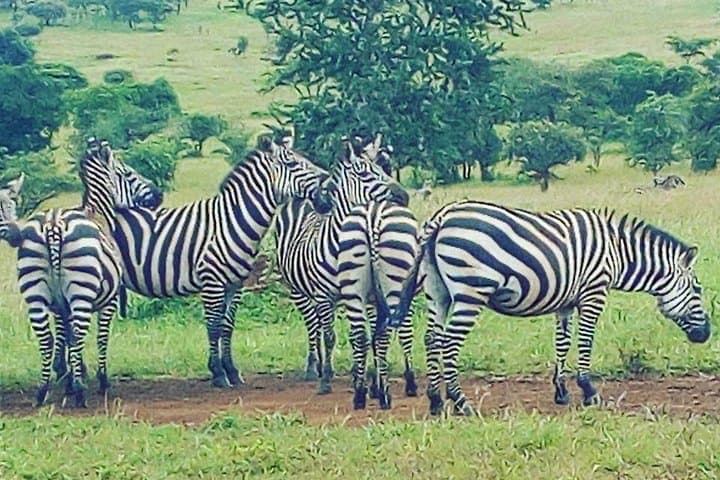
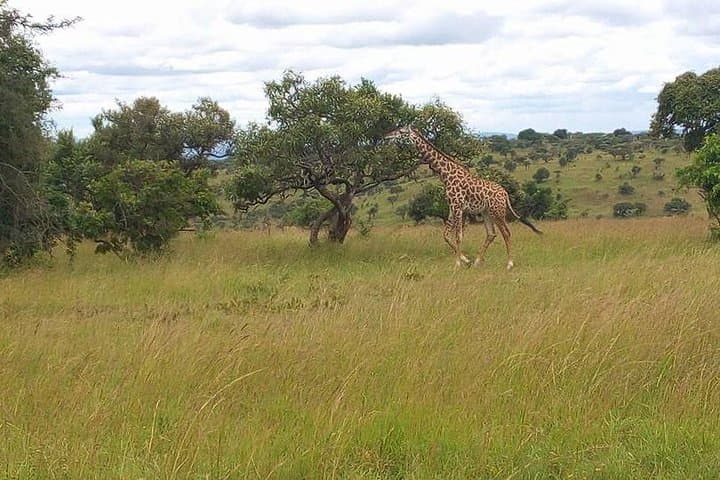
You leave Kigali before dawn and the hills give way to a wide, sunlit plain; the road eases, and the air becomes filled with the simple, animal-paced rhythm of Akagera. Early light picks out islands of papyrus and the glass-smooth surface of Lake Ihema while distant termite mounds cut the horizon like small, deliberate monuments.
You leave Kigali before dawn and the hills give way to a wide, sunlit plain; the road eases, and the air becomes filled with the simple, animal-paced rhythm of Akagera. Early light picks out islands of papyrus and the glass-smooth surface of Lake Ihema while distant termite mounds cut the horizon like small, deliberate monuments.
Akagera sits on Rwanda’s eastern edge where the highland topography of the country meets the savanna of the Great Rift Valley. The park was designated in the 1930s and, after decades of recovery and active management, now supports reintroduced rhinos and growing populations of lions, elephants, buffalo and leopards. Geologically, the area is defined by faulted valleys, shallow lakes and seasonal wetlands that concentrate wildlife and make afternoon game drives productive.
Culturally, the drive out of Kigali passes small market towns where roadside vendors sell roasted maize and bright baskets—an immediate reminder that local communities live alongside this protected landscape. Expect birdlife to dance on reed edges and hippos to silhouette at dusk; the land here pushes back and invites close attention.
Practical guidance: this is a full-day, 8–10 hour excursion with long periods in a safari vehicle and short walking stretches. Bring sun protection, a good pair of binoculars, and modest cash for small purchases at stops. Game viewing is best early morning and late afternoon; mid-day can be hot and slow. Guides know the park’s movement patterns—follow their lead, keep distance from wildlife, and plan for a return to Kigali in the evening.