THE ADVENTURE COLLECTIVE® · Independent discovery and booking for outdoor travel

Escape Kigali for a full-day safari into Akagera National Park—Rwanda’s recovering savannah where elephants, hippos, giraffe, and rare birds inhabit lakes and plains. This private 4x4 game drive pairs wildlife watching with local conservation insights and a bush lunch by Lake Ihema.
Escape Kigali for a full-day safari into Akagera National Park—Rwanda’s recovering savannah where elephants, hippos, giraffe, and rare birds inhabit lakes and plains. This private 4x4 game drive pairs wildlife watching with local conservation insights and a bush lunch by Lake Ihema.
You roll out of Kigali in dim light and watch the city shrink as the road eases into open farmland; the air changes, thicker with wet soil or dry dust depending on the season. By the time your 4x4 slips onto the park track, early light paints the savannah and lakes—hippos grunting at the water’s edge, giraffes craning against a wide sky that dares you to keep looking.
Verified experiences and guided adventures in the surrounding area.
Operated by Sitatunga Expeditions · Kayonza, Eastern Province
You roll out of Kigali in dim light and watch the city shrink as the road eases into open farmland; the air changes, thicker with wet soil or dry dust depending on the season. By the time your 4x4 slips onto the park track, early light paints the savannah and lakes—hippos grunting at the water’s edge, giraffes craning against a wide sky that dares you to keep looking.
Akagera occupies Rwanda’s eastern edge, created as a protected area in the 1930s and recently restored through transboundary conservation and species reintroductions—lions returned in 2015 after decades away. Geologically, the park sits on a mix of rolling savannah and shallow rift-associated lakes; its rim of acacia and papyrus marshes supports a different cast of birds and mammals than the open plains.
Local culture threads through the drive: driver-guides explain pastoral grazing patterns, community-run tourism projects, and the park’s role in regional livelihoods. Keep an eye for rare birds—Shoebill and African skimmer can surprise you at dawn.
Practical guidance: expect a full day—roughly 10–12 hours door-to-door from Kigali—mostly from the safety and comfort of an exclusive 4x4. Bring binoculars, layer for chilly mornings that warm quickly, and carry a small daypack with water and sunscreen. Photography is best with telephoto lenses; obey your guide’s instructions at animal encounters and remain seated during drives. Lunch is typically a bush meal by the lakeshore, a calm interlude before the afternoon search for predators. The day returns you to Kigali with a clearer sense of how conservation, community, and raw landscape come together in Akagera.
moderate.
10–12 hours.
Suitable for most fitness levels; expect long periods seated with short walks at picnic stops.
Expect roughly a 2.5-hour drive each way depending on traffic and road conditions; the full excursion is typically 10–12 hours door-to-door.
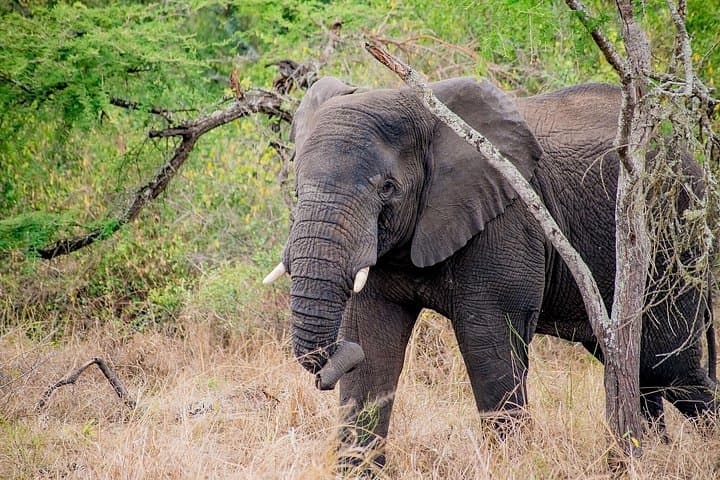
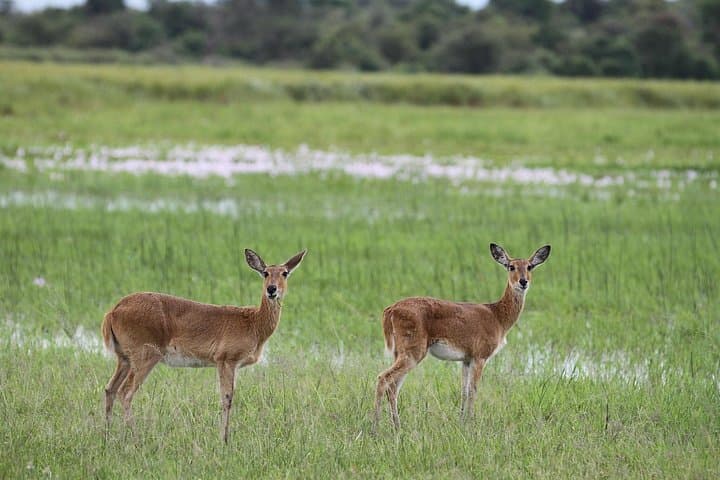
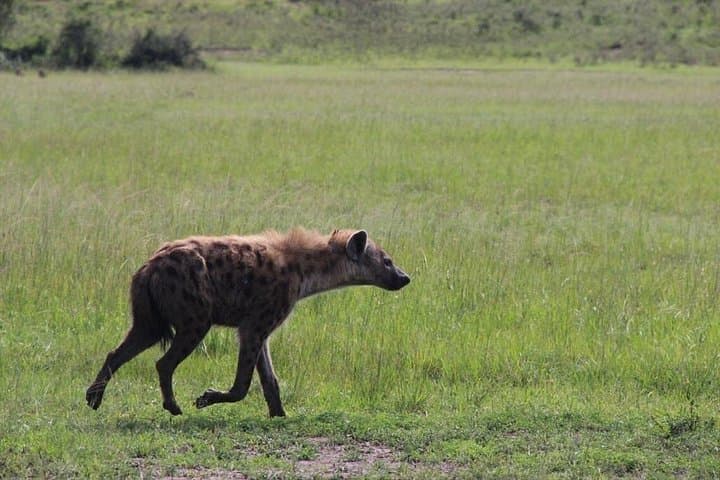
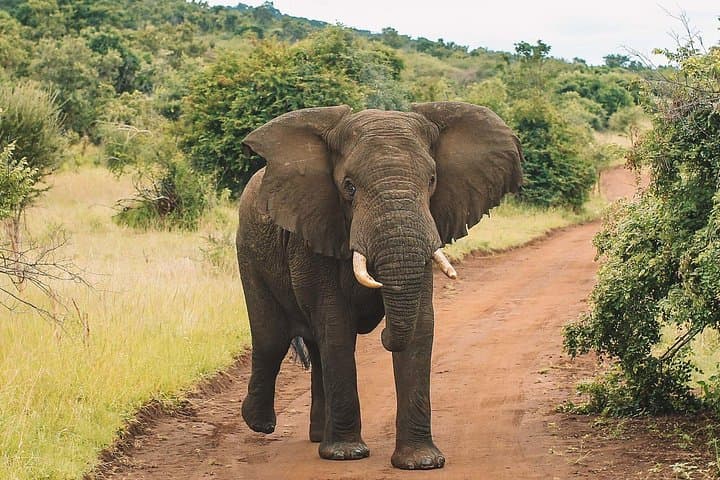
Common sightings include elephants, giraffes, buffalo, antelope species, hippos, and many water- and marsh-dependent birds; lions and leopards are present but sightings are not guaranteed.
Yes—this private 4x4 option is suitable for a wide range of ages and fitness levels, but it’s not recommended for guests with serious back, heart, or pregnancy-related travel restrictions.
Yes—this trip typically includes park entrance fees, a bush lunch with non-alcoholic drinks, mineral water, and a private vehicle with an English- or French-speaking driver-guide.
Akagera was established as a protected area in the 1930s and has undergone major restoration efforts, including species reintroductions and anti-poaching programs in recent decades.
The park operates with strong community partnerships; visitors support local economies and restoration efforts—stay on designated roads and follow guide rules to minimize impact.
Sitatunga Expeditions operates guided outdoor trips and adventures with an emphasis on safety, stewardship, and memorable experiences.
You roll out of Kigali in dim light and watch the city shrink as the road eases into open farmland; the air changes, thicker with wet soil or dry dust depending on the season. By the time your 4x4 slips onto the park track, early light paints the savannah and lakes—hippos grunting at the water’s edge, giraffes craning against a wide sky that dares you to keep looking.
You roll out of Kigali in dim light and watch the city shrink as the road eases into open farmland; the air changes, thicker with wet soil or dry dust depending on the season. By the time your 4x4 slips onto the park track, early light paints the savannah and lakes—hippos grunting at the water’s edge, giraffes craning against a wide sky that dares you to keep looking.
Akagera occupies Rwanda’s eastern edge, created as a protected area in the 1930s and recently restored through transboundary conservation and species reintroductions—lions returned in 2015 after decades away. Geologically, the park sits on a mix of rolling savannah and shallow rift-associated lakes; its rim of acacia and papyrus marshes supports a different cast of birds and mammals than the open plains.
Local culture threads through the drive: driver-guides explain pastoral grazing patterns, community-run tourism projects, and the park’s role in regional livelihoods. Keep an eye for rare birds—Shoebill and African skimmer can surprise you at dawn.
Practical guidance: expect a full day—roughly 10–12 hours door-to-door from Kigali—mostly from the safety and comfort of an exclusive 4x4. Bring binoculars, layer for chilly mornings that warm quickly, and carry a small daypack with water and sunscreen. Photography is best with telephoto lenses; obey your guide’s instructions at animal encounters and remain seated during drives. Lunch is typically a bush meal by the lakeshore, a calm interlude before the afternoon search for predators. The day returns you to Kigali with a clearer sense of how conservation, community, and raw landscape come together in Akagera.