THE ADVENTURE COLLECTIVE® · Independent discovery and booking for outdoor travel

Fly from Bangalore to Aurangabad for a private, three-day deep dive into Ajanta and Ellora—two UNESCO rock‑cut complexes that chronicle ancient Buddhist, Hindu and Jain art. This private tour includes flights, entrance fees and certified guides, with luxury hotel nights in between.
Fly from Bangalore to Aurangabad for a private, three-day deep dive into Ajanta and Ellora—two UNESCO rock‑cut complexes that chronicle ancient Buddhist, Hindu and Jain art. This private tour includes flights, entrance fees and certified guides, with luxury hotel nights in between.
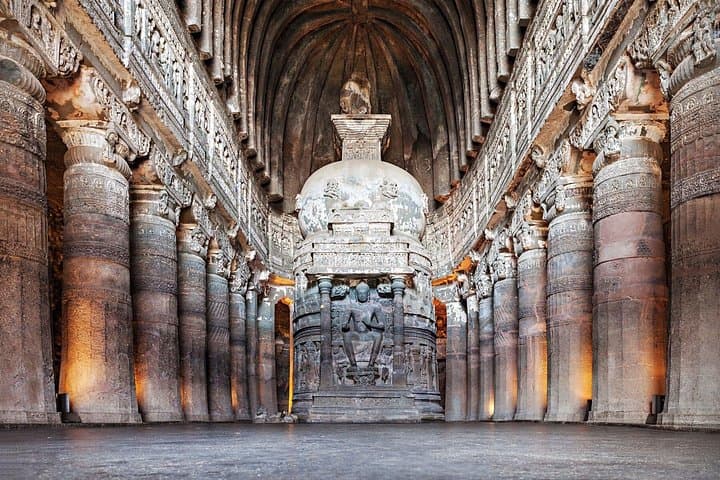
You step off the plane in Aurangabad and the air carries dust and history — a city that acts as the gateway to two of India’s most striking rock-cut complexes. The road to Ajanta unfurls through farmland and low hills; cliffs hold caves whose frescoes and carved pillars feel like message-bearing mouths of the cliff.
Verified experiences and guided adventures in the surrounding area.
Operated by INDIA Trotter · Aurangabad, Maharashtra
You step off the plane in Aurangabad and the air carries dust and history — a city that acts as the gateway to two of India’s most striking rock-cut complexes. The road to Ajanta unfurls through farmland and low hills; cliffs hold caves whose frescoes and carved pillars feel like message-bearing mouths of the cliff.
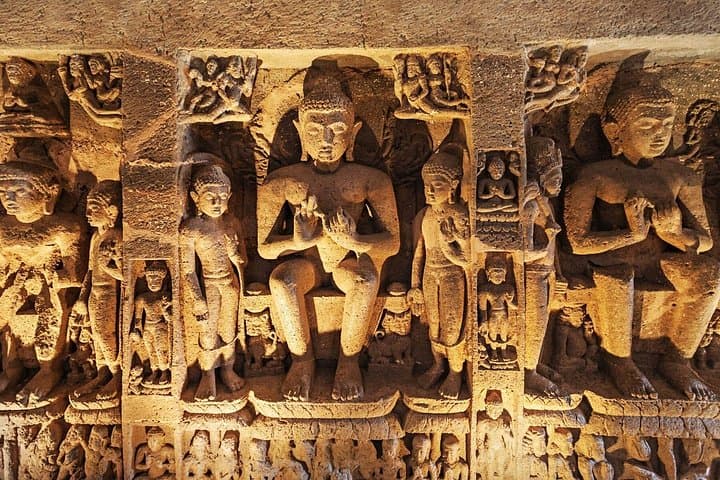
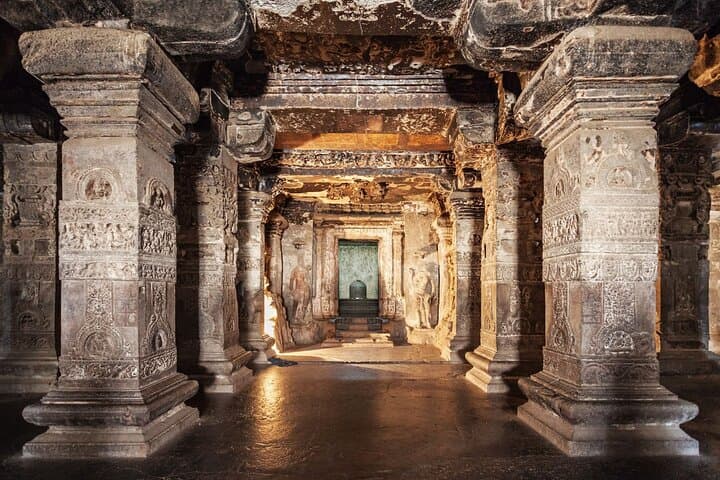
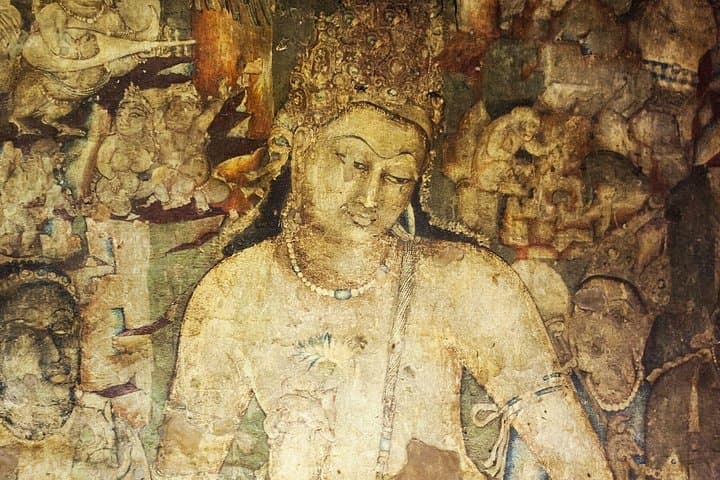
Ajanta’s painted panels date from the 2nd century BCE to around 480 CE and record Buddhist life in pigments that still hold color after a millennium. Ellora, closer to Aurangabad, shifts the story: nearly 100 caves carved between the 6th and 10th centuries CE where Buddhist, Hindu and Jain workshops opened into monumental halls and the colossal rock-cut Kailasa temple. Geologically these sites are basalt plateaus—soft enough to carve but unforgiving in the work required—so the human labor and ingenuity are the real monuments.
Culture here is tactile: shopkeepers selling local paan and saffron-scented sweets, guides certified by India’s Ministry of Tourism narrating dynastic shifts, and the slow rhythm of regional Marathi life outside the sites.
Practical guidance: flights from Bangalore to Aurangabad are included and private A/C transfers move you between airport, hotels and sites. Expect long days on uneven stone floors and staircases; comfortable walking shoes and a hat are non-negotiable. Tickets and entrance fees for the listed sites are included, but carry ID for verification. Plan mornings for Ajanta to avoid heat and linger at viewpoints near Ellora for late-afternoon light. Hydrate, move deliberately on carved steps, and leave time to absorb the silence inside the caves.
easy.
3 days.
Suitable for most fitness levels; expect several hours of walking each day with stair climbs and uneven terrain.
Yes — round-trip economy flights from Bangalore to Aurangabad and the listed monument entrance fees are included in this package.
Ajanta is about 110 km (roughly 3 hours one way) from Aurangabad, so plan for a 6–7 hour round trip including time at the caves.
The tour notes wheelchair accessibility for some transport and areas, but many cave interiors have stairs and uneven surfaces that limit full access; check specific mobility requirements in advance.
Tipping is customary but discretionary; a modest amount for a full-day guide and driver is appreciated (adjust for service and group size).
Ajanta and Ellora are UNESCO World Heritage Sites carved from basalt between the 2nd century BCE and 10th century CE; they document evolving religious and artistic traditions in western India.
Visitor impact is managed via regulated access and entrance fees; please avoid flash photography where prohibited and stay on designated paths to protect pigments and carved surfaces.
INDIA Trotter operates guided outdoor trips and adventures with an emphasis on safety, stewardship, and memorable experiences.
You step off the plane in Aurangabad and the air carries dust and history — a city that acts as the gateway to two of India’s most striking rock-cut complexes. The road to Ajanta unfurls through farmland and low hills; cliffs hold caves whose frescoes and carved pillars feel like message-bearing mouths of the cliff.
You step off the plane in Aurangabad and the air carries dust and history — a city that acts as the gateway to two of India’s most striking rock-cut complexes. The road to Ajanta unfurls through farmland and low hills; cliffs hold caves whose frescoes and carved pillars feel like message-bearing mouths of the cliff.
Ajanta’s painted panels date from the 2nd century BCE to around 480 CE and record Buddhist life in pigments that still hold color after a millennium. Ellora, closer to Aurangabad, shifts the story: nearly 100 caves carved between the 6th and 10th centuries CE where Buddhist, Hindu and Jain workshops opened into monumental halls and the colossal rock-cut Kailasa temple. Geologically these sites are basalt plateaus—soft enough to carve but unforgiving in the work required—so the human labor and ingenuity are the real monuments.
Culture here is tactile: shopkeepers selling local paan and saffron-scented sweets, guides certified by India’s Ministry of Tourism narrating dynastic shifts, and the slow rhythm of regional Marathi life outside the sites.
Practical guidance: flights from Bangalore to Aurangabad are included and private A/C transfers move you between airport, hotels and sites. Expect long days on uneven stone floors and staircases; comfortable walking shoes and a hat are non-negotiable. Tickets and entrance fees for the listed sites are included, but carry ID for verification. Plan mornings for Ajanta to avoid heat and linger at viewpoints near Ellora for late-afternoon light. Hydrate, move deliberately on carved steps, and leave time to absorb the silence inside the caves.