THE ADVENTURE COLLECTIVE® · Independent discovery and booking for outdoor travel

Discover Aix-en-Provence on a private half-day tour that mixes urban strolls, markets and the views that inspired Paul Cézanne. Ideal for art and history lovers who want compact, insightful exploration with local context.
Discover Aix-en-Provence on a private half-day tour that mixes urban strolls, markets and the views that inspired Paul Cézanne. Ideal for art and history lovers who want compact, insightful exploration with local context.
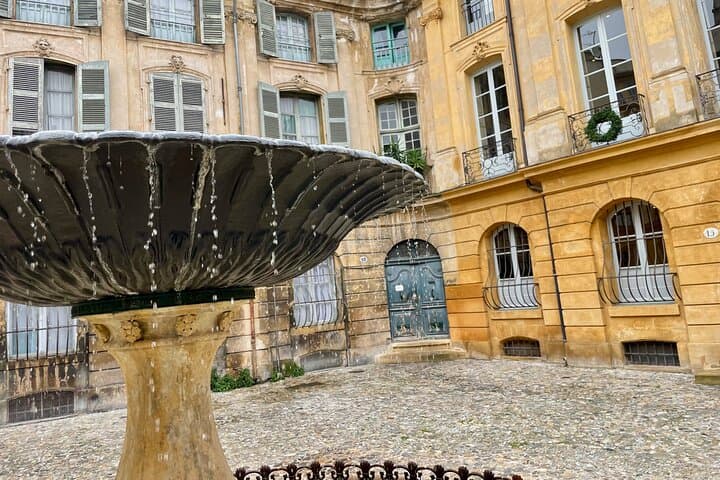
Morning light slants across Cours Mirabeau as the guide opens the gate to Aix-en-Provence’s layered streets—plane trees casting latticework shadows, fountains marking rhythm and scale. The half-day private tour moves at an easy pace, threading between private mansions, a bustling farmers’ market and the compact medieval core where stone stairs and narrow lanes keep time with the city’s past.
Verified experiences and guided adventures in the surrounding area.
Operated by Bonjour Provence · Aix-en-Provence, Provence-Alpes-Côte d'Azur
Morning light slants across Cours Mirabeau as the guide opens the gate to Aix-en-Provence’s layered streets—plane trees casting latticework shadows, fountains marking rhythm and scale. The half-day private tour moves at an easy pace, threading between private mansions, a bustling farmers’ market and the compact medieval core where stone stairs and narrow lanes keep time with the city’s past.
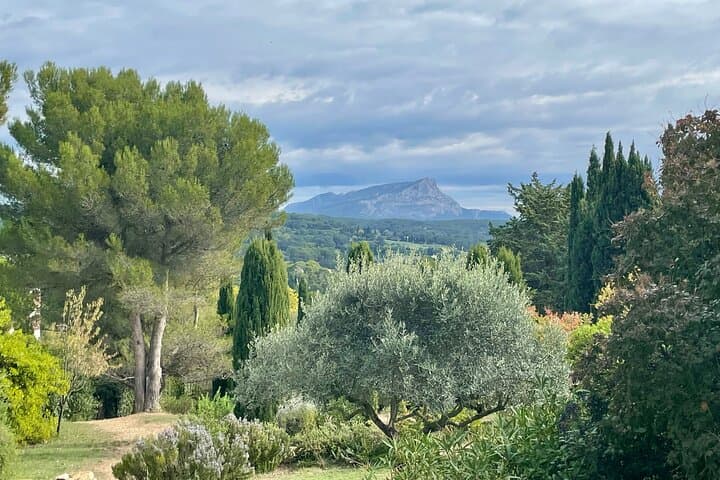
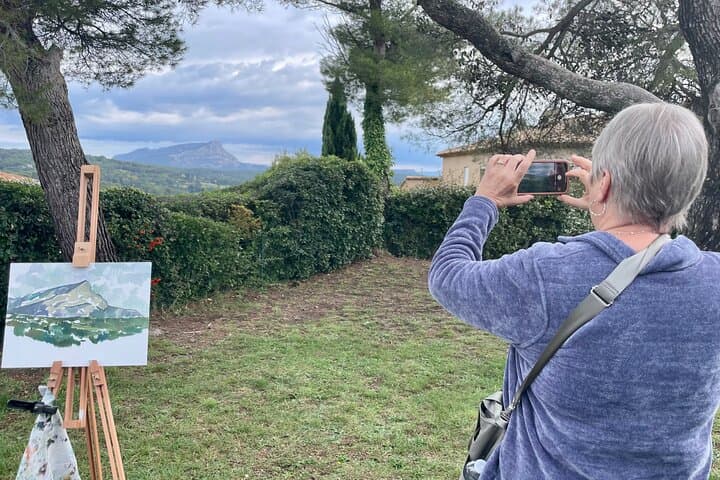
Aix began as the Roman settlement Aquae Sextiae; its grid and forum echoes survive beneath Gothic and 17th‑century façades. Paul Cézanne grew up within sight of Mont Sainte‑Victoire, and the tour’s outward leg into the outskirts shows the limestone shoulder of that mountain—an Arlesian limestone scarp that shaped the painter’s palette and the region’s agricultural terraces.
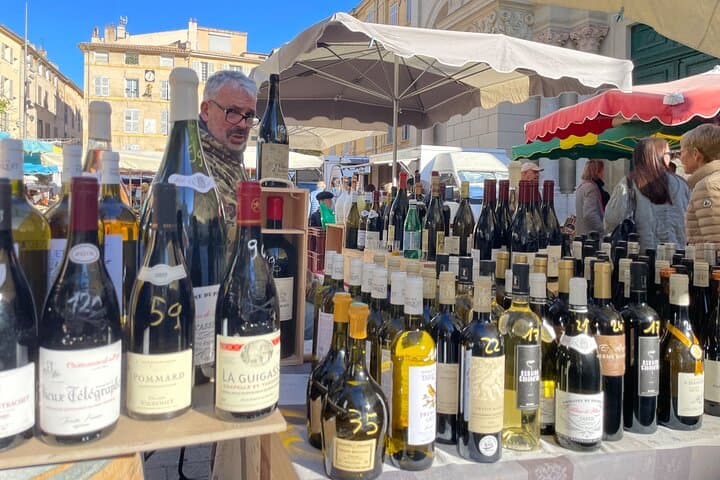
Culturally, the city is a working provincial capital: markets sell Provençal olive oils and candied fruit, boulangeries pull early loaves, and a compact museum and Cézanne’s studio sit within walking distance. Local life here is pragmatic—cafés open early, shutters close late—and the tour highlights how art, commerce and Roman infrastructure layered over centuries.
Practical guidance: wear broken‑in walking shoes for cobbles and brief uphill stretches, bring a refillable bottle and sun protection; plan to spend time at the market if you want local food samples. The private format allows time at Atelier Cézanne or for a short drive to a viewpoint of Mont Sainte‑Victoire if booked in advance. Expect roughly five hours, low physical demand, and a mix of urban walking and scenic photo stops—an efficient way to read both the town and the landscape that informed one of modern art’s founding voices.
easy.
4–5 hours.
Suitable for most fitness levels; requires standing and walking on uneven pavement for several hours.
The tour runs about five hours and combines walking in the historic center with a short drive or viewpoint stop outside the city.
Yes—it's rated easy and private, making it adaptable for slower paces and short rests; notify the operator about mobility needs.
Atelier Cézanne can be included when available—request access at booking since entrance may be limited.
No—samples and purchases at the farmers’ market are pay-as-you-go; the guide will explain local specialties and vendors.
Aix-en-Provence was founded as the Roman town Aquae Sextiae; its Roman forum site later became the medieval cathedral precinct where layers of history remain visible.
Respect historic streets and market vendors—avoid littering, support local producers, and stay on marked paths when visiting natural viewpoints around Mont Sainte‑Victoire.
Bonjour Provence operates guided outdoor trips and adventures with an emphasis on safety, stewardship, and memorable experiences.
Morning light slants across Cours Mirabeau as the guide opens the gate to Aix-en-Provence’s layered streets—plane trees casting latticework shadows, fountains marking rhythm and scale. The half-day private tour moves at an easy pace, threading between private mansions, a bustling farmers’ market and the compact medieval core where stone stairs and narrow lanes keep time with the city’s past.
Morning light slants across Cours Mirabeau as the guide opens the gate to Aix-en-Provence’s layered streets—plane trees casting latticework shadows, fountains marking rhythm and scale. The half-day private tour moves at an easy pace, threading between private mansions, a bustling farmers’ market and the compact medieval core where stone stairs and narrow lanes keep time with the city’s past.
Aix began as the Roman settlement Aquae Sextiae; its grid and forum echoes survive beneath Gothic and 17th‑century façades. Paul Cézanne grew up within sight of Mont Sainte‑Victoire, and the tour’s outward leg into the outskirts shows the limestone shoulder of that mountain—an Arlesian limestone scarp that shaped the painter’s palette and the region’s agricultural terraces.
Culturally, the city is a working provincial capital: markets sell Provençal olive oils and candied fruit, boulangeries pull early loaves, and a compact museum and Cézanne’s studio sit within walking distance. Local life here is pragmatic—cafés open early, shutters close late—and the tour highlights how art, commerce and Roman infrastructure layered over centuries.
Practical guidance: wear broken‑in walking shoes for cobbles and brief uphill stretches, bring a refillable bottle and sun protection; plan to spend time at the market if you want local food samples. The private format allows time at Atelier Cézanne or for a short drive to a viewpoint of Mont Sainte‑Victoire if booked in advance. Expect roughly five hours, low physical demand, and a mix of urban walking and scenic photo stops—an efficient way to read both the town and the landscape that informed one of modern art’s founding voices.