THE ADVENTURE COLLECTIVE® · Independent discovery and booking for outdoor travel

Cross the Tizi n’Tichka pass from Marrakech and step into the ochre world of Aït Benhaddou and Ouarzazate. This full-day trip pairs high-mountain vistas with fortified kasbahs and accessible village walks.
Cross the Tizi n’Tichka pass from Marrakech and step into the ochre world of Aït Benhaddou and Ouarzazate. This full-day trip pairs high-mountain vistas with fortified kasbahs and accessible village walks.
You leave Marrakech before sunrise and the city’s heat eases as the road climbs into the High Atlas. The minivan winds up Tizi n’Tichka, cresting at about 2,269 meters, where a sharp, wind-scoured ridge opens into bands of rust-red earth and distant snow-capped peaks.
Verified experiences and guided adventures in the surrounding area.
Operated by Morocco Authentic journey · Ouarzazate, Drâa-Tafilalet
You leave Marrakech before sunrise and the city’s heat eases as the road climbs into the High Atlas. The minivan winds up Tizi n’Tichka, cresting at about 2,269 meters, where a sharp, wind-scoured ridge opens into bands of rust-red earth and distant snow-capped peaks.
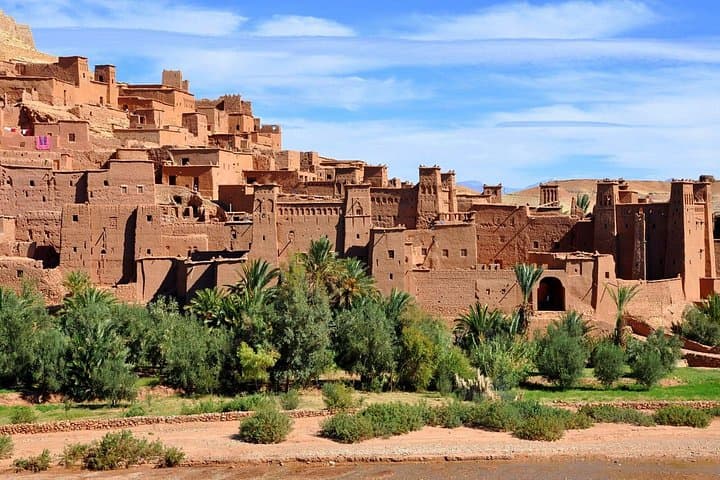
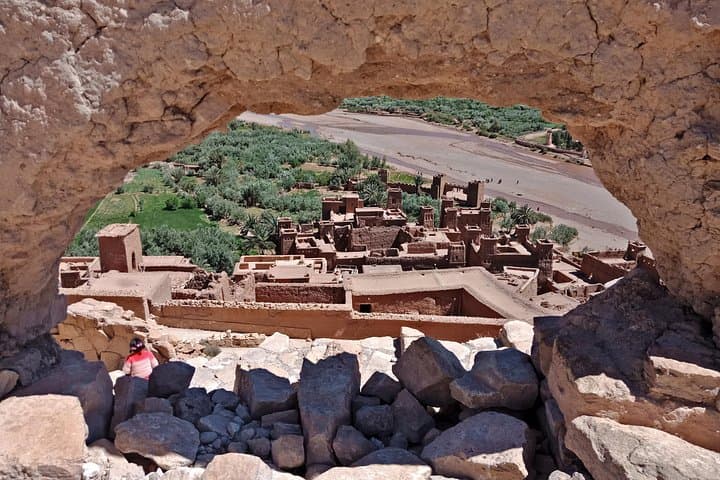
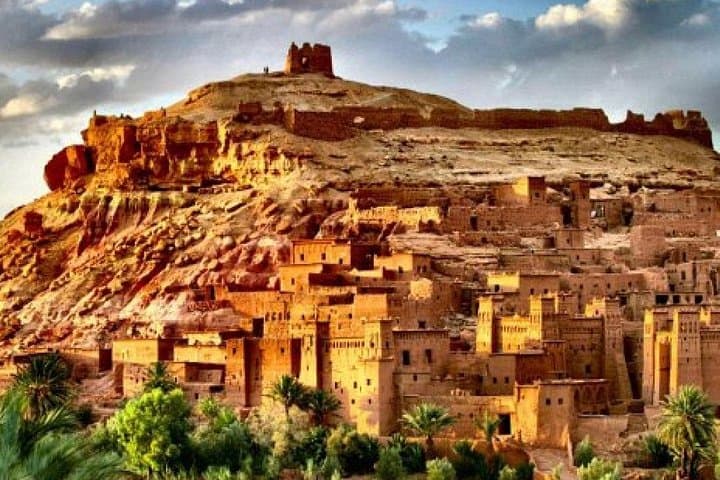
By mid-morning you arrive at Aït Benhaddou: a clustered ksar of mud-brick towers that seem carved from the same ochre earth as the valley. The walls once watched over caravan traffic along trans-Saharan routes; today they rise above a slow river and narrow footpaths where local families sell tea and handcrafted goods.
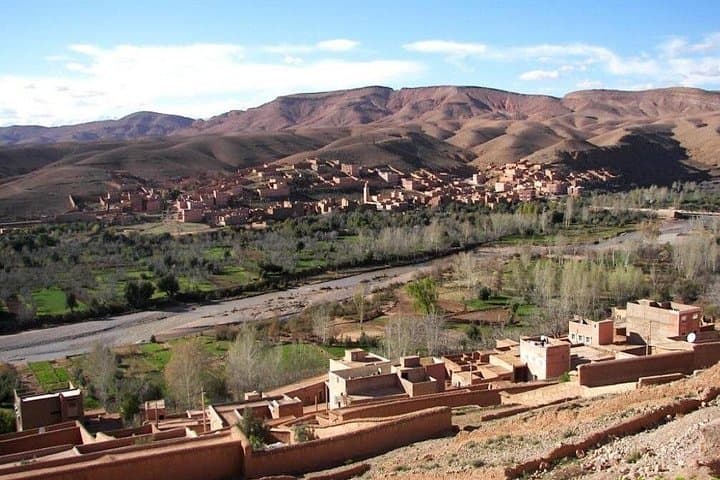
A short drive farther brings you to Ouarzazate, the provincial hub built on a desert plain and known for its kasbahs and film studios. Geologically, the route moves from fractured High Atlas bedrock to alluvial plains — a visible change in rock and color that marks centuries of human movement and trade.
Expect short climbs on uneven, sun-baked surfaces and tight village streets; modest fitness and steady balance make the day more enjoyable. Practical notes: start early to avoid midday heat and give yourself time for photo stops and a sheltered lunch in Ouarzazate. Bring water, sun protection, comfortable walking shoes, and small bills for local purchases.
Respect private property: some houses are lived in, not set pieces. The trip blends cultural history, dramatic mountain driving, and accessible walking — a compact, full-day window into southern Morocco’s landscape and living architecture.
moderate.
8–10 hours.
Moderate fitness—able to handle several short walks, uneven ground, and a long day in a vehicle.
Expect roughly 3–4 hours one way depending on traffic and stops; the full round trip with visits is a full-day outing.
Walks are short but over uneven cobbles and steps; flat-soled shoes are not recommended.
There is no formal entrance fee for the village itself, but sometimes local caretakers may request a small donation for access to certain viewpoints.
Yes, but snow can affect the Tizi n’Tichka pass — check road conditions and expect colder weather at altitude.
Aït Benhaddou grew as a fortified caravan stop on trans-Saharan trade routes; nearby kasbahs were linked to the Glaoui tribal network that dominated southern Morocco in the 19th and early 20th centuries.
Mud-brick structures are vulnerable to erosion and heavy touch; stick to marked paths, avoid climbing intact walls, and support local guides and businesses.
Morocco Authentic journey operates guided outdoor trips and adventures with an emphasis on safety, stewardship, and memorable experiences.
You leave Marrakech before sunrise and the city’s heat eases as the road climbs into the High Atlas. The minivan winds up Tizi n’Tichka, cresting at about 2,269 meters, where a sharp, wind-scoured ridge opens into bands of rust-red earth and distant snow-capped peaks.
You leave Marrakech before sunrise and the city’s heat eases as the road climbs into the High Atlas. The minivan winds up Tizi n’Tichka, cresting at about 2,269 meters, where a sharp, wind-scoured ridge opens into bands of rust-red earth and distant snow-capped peaks.
By mid-morning you arrive at Aït Benhaddou: a clustered ksar of mud-brick towers that seem carved from the same ochre earth as the valley. The walls once watched over caravan traffic along trans-Saharan routes; today they rise above a slow river and narrow footpaths where local families sell tea and handcrafted goods.
A short drive farther brings you to Ouarzazate, the provincial hub built on a desert plain and known for its kasbahs and film studios. Geologically, the route moves from fractured High Atlas bedrock to alluvial plains — a visible change in rock and color that marks centuries of human movement and trade.
Expect short climbs on uneven, sun-baked surfaces and tight village streets; modest fitness and steady balance make the day more enjoyable. Practical notes: start early to avoid midday heat and give yourself time for photo stops and a sheltered lunch in Ouarzazate. Bring water, sun protection, comfortable walking shoes, and small bills for local purchases.
Respect private property: some houses are lived in, not set pieces. The trip blends cultural history, dramatic mountain driving, and accessible walking — a compact, full-day window into southern Morocco’s landscape and living architecture.