THE ADVENTURE COLLECTIVE® · Independent discovery and booking for outdoor travel

Cross the High Atlas, stand at Tizi n’Tichka, and step into the mud-brick alleys of UNESCO-listed Ait Ben Haddou before visiting Ouarzazate’s film studios. This full-day from Marrakech blends dramatic mountain driving with living history and cinematic sets.
Cross the High Atlas, stand at Tizi n’Tichka, and step into the mud-brick alleys of UNESCO-listed Ait Ben Haddou before visiting Ouarzazate’s film studios. This full-day from Marrakech blends dramatic mountain driving with living history and cinematic sets.
Morning light breaks over Marrakech as the minivan threads asphalt toward the High Atlas. Walls of ochre and stone climb into the windows; you feel altitude rising with each switchback. By midmorning the road crests at Tizi n’Tichka, a wind-ruffled pass where the plains below seem to rush away, and the Atlas shows its raw geology—folded strata, red scree, and scattered almond trees.
Verified experiences and guided adventures in the surrounding area.
Operated by Dafli Tours · Ait Ben Haddou, Ouarzazate Province
Morning light breaks over Marrakech as the minivan threads asphalt toward the High Atlas. Walls of ochre and stone climb into the windows; you feel altitude rising with each switchback. By midmorning the road crests at Tizi n’Tichka, a wind-ruffled pass where the plains below seem to rush away, and the Atlas shows its raw geology—folded strata, red scree, and scattered almond trees.
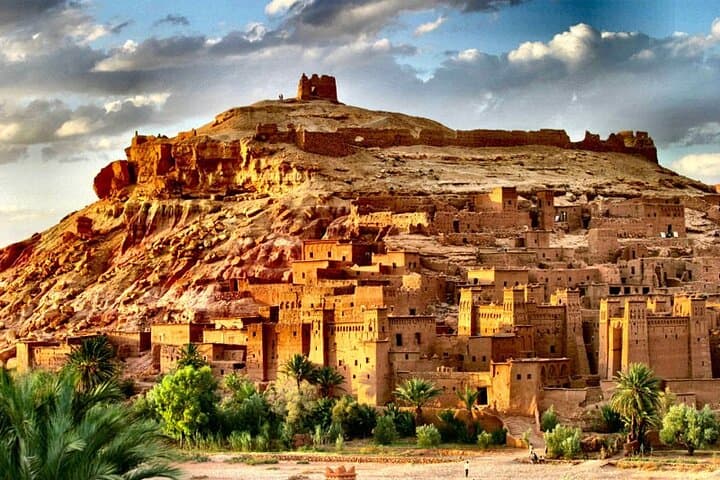
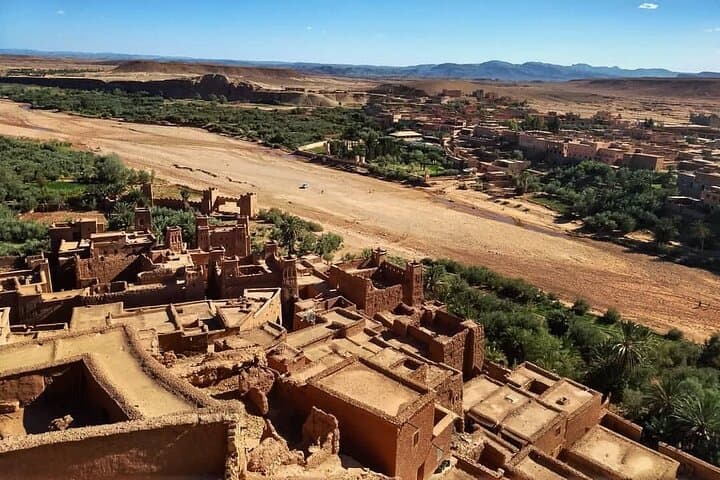
The day moves between two histories: the caravan-era ksar of Ait Ben Haddou and the studio-built sets of Ouarzazate. Ait Ben Haddou’s mud-brick towers sit on a hill like a compact stronghold, once a stop on trans-Saharan salt and gold routes. Walk the narrow alleys and you’ll see how architecture answered climate—thick walls, small windows, and defensive angles—and why filmmakers later loved its cinematic light.
Ouarzazate, nicknamed the Hollywood of Africa, is a modern turn: film studios, the Kasbah Taourirt, and museum cases that map colonial, cinematic, and local stories. The day is mostly road time punctuated by short hikes, photo stops, and a relaxed two-hour visit and lunch at Ait Ben Haddou.
Practical edge: expect 9–10 hours total, variable roadside facilities, and unpaved surfaces in the ksar. Bring sun protection, a refillable bottle, and comfortable shoes for uneven cobbles. If you’re prone to motion discomfort, sit near the front and pause for fresh air at the pass.
This route rewards curiosity—layers of geology, living Berber culture, and the surprising overlap of history and film on a single, long day out of Marrakech.
easy.
9–10 hours.
Suitable for most fitness levels; involves short walks on uneven surfaces and long periods sitting in a vehicle
There is no centralized ticket for the village, but some areas charge small local entrance or guide fees; confirm with your operator before arrival.
Yes—driving and stops are suitable for most ages, but the walkable surfaces are uneven and not recommended for those with significant mobility issues.
Itinerary typically includes about two hours at Ait Ben Haddou—enough for a guided walk, photos, and a lunch break near the ksar.
Operators often advise against booking if you have serious spinal, heart, or pregnancy concerns due to long vehicle hours and mountain roads; check medical suitability first.
Ait Ben Haddou was a strategic caravan stop on trans-Saharan trade routes; its earthen architecture reflects centuries of desert commerce and local governance under regional caïds.
The ksar faces erosion and visitor pressure—stick to marked paths, avoid removing pottery or stones, and support local guides who contribute to preservation efforts.
Dafli Tours operates guided outdoor trips and adventures with an emphasis on safety, stewardship, and memorable experiences.


Morning light breaks over Marrakech as the minivan threads asphalt toward the High Atlas. Walls of ochre and stone climb into the windows; you feel altitude rising with each switchback. By midmorning the road crests at Tizi n’Tichka, a wind-ruffled pass where the plains below seem to rush away, and the Atlas shows its raw geology—folded strata, red scree, and scattered almond trees.
Morning light breaks over Marrakech as the minivan threads asphalt toward the High Atlas. Walls of ochre and stone climb into the windows; you feel altitude rising with each switchback. By midmorning the road crests at Tizi n’Tichka, a wind-ruffled pass where the plains below seem to rush away, and the Atlas shows its raw geology—folded strata, red scree, and scattered almond trees.
The day moves between two histories: the caravan-era ksar of Ait Ben Haddou and the studio-built sets of Ouarzazate. Ait Ben Haddou’s mud-brick towers sit on a hill like a compact stronghold, once a stop on trans-Saharan salt and gold routes. Walk the narrow alleys and you’ll see how architecture answered climate—thick walls, small windows, and defensive angles—and why filmmakers later loved its cinematic light.
Ouarzazate, nicknamed the Hollywood of Africa, is a modern turn: film studios, the Kasbah Taourirt, and museum cases that map colonial, cinematic, and local stories. The day is mostly road time punctuated by short hikes, photo stops, and a relaxed two-hour visit and lunch at Ait Ben Haddou.
Practical edge: expect 9–10 hours total, variable roadside facilities, and unpaved surfaces in the ksar. Bring sun protection, a refillable bottle, and comfortable shoes for uneven cobbles. If you’re prone to motion discomfort, sit near the front and pause for fresh air at the pass.
This route rewards curiosity—layers of geology, living Berber culture, and the surprising overlap of history and film on a single, long day out of Marrakech.