THE ADVENTURE COLLECTIVE® · Independent discovery and booking for outdoor travel

Cross the Tizi n’Tichka, explore UNESCO-listed Aït Ben Haddou, and peek behind movie sets in Ouarzazate on a full-day private tour from Marrakech. Expect highland roads, short walks on uneven ground, and rich cultural context from a local guide.
Cross the Tizi n’Tichka, explore UNESCO-listed Aït Ben Haddou, and peek behind movie sets in Ouarzazate on a full-day private tour from Marrakech. Expect highland roads, short walks on uneven ground, and rich cultural context from a local guide.
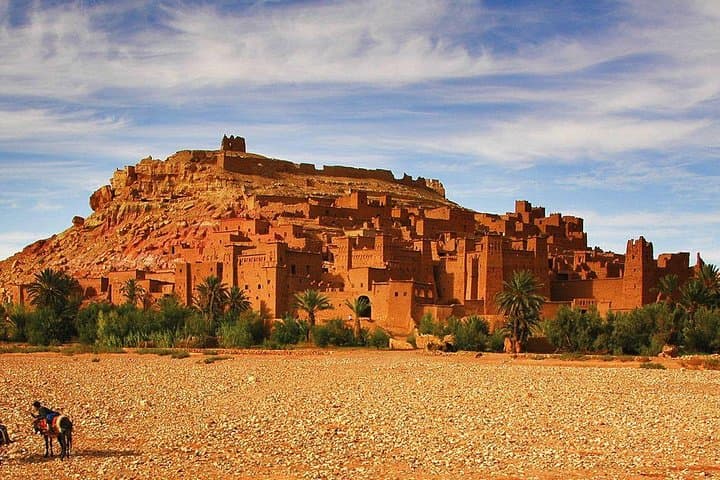
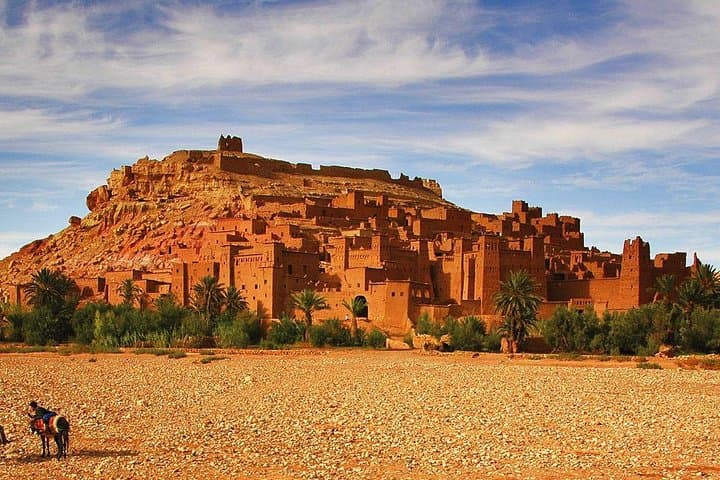
You leave Marrakech before dawn, the city’s warm lights shrinking behind you as the road climbs into the High Atlas. The Tizi n’Tichka pass opens at roughly 2,200 m, where wind and stone push against your windows and the landscape sharpens into striated rock and scrub. By midmorning the mud-brick towers of Aït Ben Haddou come into view, stacked like ancient books against the sky.
Verified experiences and guided adventures in the surrounding area.
Operated by Morocco Destination Experts · Aït Ben Haddou, Drâa-Tafilalet
You leave Marrakech before dawn, the city’s warm lights shrinking behind you as the road climbs into the High Atlas. The Tizi n’Tichka pass opens at roughly 2,200 m, where wind and stone push against your windows and the landscape sharpens into striated rock and scrub. By midmorning the mud-brick towers of Aït Ben Haddou come into view, stacked like ancient books against the sky.
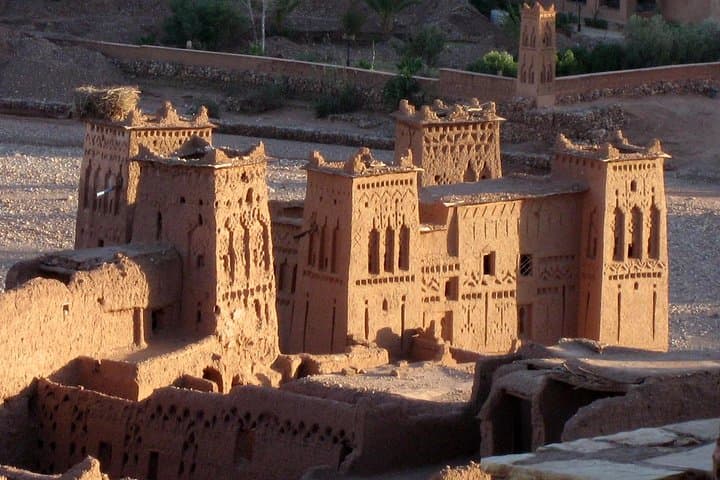
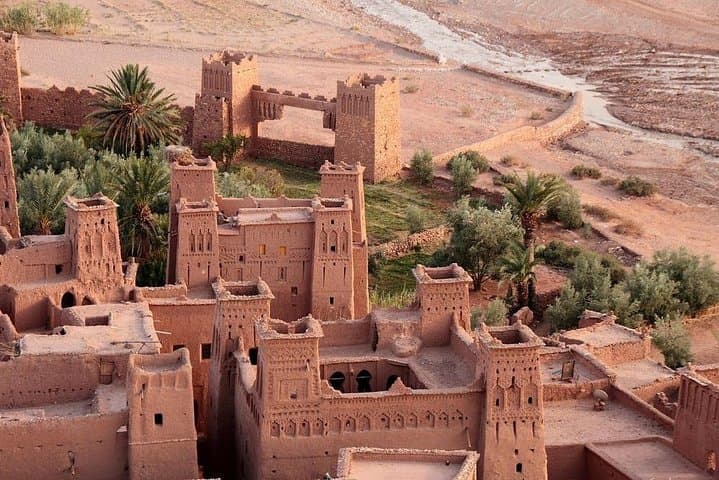
Aït Ben Haddou is a ksar — a fortified village that once guarded trans-Saharan caravan routes. Its earthen architecture reflects local geology: clay, straw and river stones shaped by seasonal rains. Nearby Telouet was a seat of Pasha power built on the salt and mule-trade wealth of the Atlas foothills; both kasbahs reveal how trade, politics and drought shaped human settlement here.
Ouarzazate, a short drive away, sits on a wide plain where light flatters big sets — it became “the door of the desert” and one of Morocco’s principal film studios. Culture here is active: Amazigh (Berber) communities maintain crafts and oral histories; local guides often double as cultural interpreters.
Practical guide: expect a long day (10–11 hours) with mostly vehicle travel and short walks over uneven, often dusty surfaces. Bring sturdy shoes, sun protection, and a refillable water bottle; temperatures swing between pass and valley. If you want a deeper visit, hire the local guide available at Aït Ben Haddou and carry small bills for tea, tips and museum entries. Road sections across the pass are winding but paved; motion-sickness precautions help. Time your visit for morning light at the ksar to avoid the harsh midday glare and crowds. Respect fragile earthen walls—don’t climb on them—and you’ll come away with clear views, film-set surprises and a vivid sense of Atlas history.
moderate.
10–11 hours.
Suitable for moderate fitness: long day in vehicle with short, easy-to-moderate walks over uneven surfaces.
The private day tour runs about 10–11 hours: early departure from Marrakech, Tizi n’Tichka pass, stop at Telouet, guided visit to Aït Ben Haddou, short visit to Ouarzazate studios and panoramic viewpoints before return.
Walking is limited to short, often uneven paths inside kasbahs and viewpoints; no technical climbing—comfortable walking shoes are recommended.
Private transportation and a multilingual art historian are included; admission fees for some sites or a dedicated local guide at Aït Ben Haddou may require a small extra fee (around €15) or cash payment on site.
Yes—infant seats are available and the tour is described as physically easy for mixed age groups, though be prepared for a long day in the vehicle.
Aït Ben Haddou developed as a fortified caravan stop along trans-Saharan trade routes and later gained UNESCO status for its concentrated example of southern Moroccan earthen architecture.
The ksar’s mud-brick structures are fragile—visitors should avoid touching or climbing walls, support licensed local guides, and reduce plastic waste to limit impact.
Morocco Destination Experts operates guided outdoor trips and adventures with an emphasis on safety, stewardship, and memorable experiences.
You leave Marrakech before dawn, the city’s warm lights shrinking behind you as the road climbs into the High Atlas. The Tizi n’Tichka pass opens at roughly 2,200 m, where wind and stone push against your windows and the landscape sharpens into striated rock and scrub. By midmorning the mud-brick towers of Aït Ben Haddou come into view, stacked like ancient books against the sky.
You leave Marrakech before dawn, the city’s warm lights shrinking behind you as the road climbs into the High Atlas. The Tizi n’Tichka pass opens at roughly 2,200 m, where wind and stone push against your windows and the landscape sharpens into striated rock and scrub. By midmorning the mud-brick towers of Aït Ben Haddou come into view, stacked like ancient books against the sky.
Aït Ben Haddou is a ksar — a fortified village that once guarded trans-Saharan caravan routes. Its earthen architecture reflects local geology: clay, straw and river stones shaped by seasonal rains. Nearby Telouet was a seat of Pasha power built on the salt and mule-trade wealth of the Atlas foothills; both kasbahs reveal how trade, politics and drought shaped human settlement here.
Ouarzazate, a short drive away, sits on a wide plain where light flatters big sets — it became “the door of the desert” and one of Morocco’s principal film studios. Culture here is active: Amazigh (Berber) communities maintain crafts and oral histories; local guides often double as cultural interpreters.
Practical guide: expect a long day (10–11 hours) with mostly vehicle travel and short walks over uneven, often dusty surfaces. Bring sturdy shoes, sun protection, and a refillable water bottle; temperatures swing between pass and valley. If you want a deeper visit, hire the local guide available at Aït Ben Haddou and carry small bills for tea, tips and museum entries. Road sections across the pass are winding but paved; motion-sickness precautions help. Time your visit for morning light at the ksar to avoid the harsh midday glare and crowds. Respect fragile earthen walls—don’t climb on them—and you’ll come away with clear views, film-set surprises and a vivid sense of Atlas history.