THE ADVENTURE COLLECTIVE® · Independent discovery and booking for outdoor travel

Drive the Tizi n’Tichka pass, explore the earthen alleys of UNESCO-listed Aït Ben Haddou, and visit Ouarzazate’s cinema landmarks on a focused day trip from Marrakech. Short walks, long views, and a vivid slice of southern Morocco.
Drive the Tizi n’Tichka pass, explore the earthen alleys of UNESCO-listed Aït Ben Haddou, and visit Ouarzazate’s cinema landmarks on a focused day trip from Marrakech. Short walks, long views, and a vivid slice of southern Morocco.
The road climbs out of Marrakech with the Atlas at your shoulder and the air sharpening as the bus snakes up Tizi n’Tichka. Windows frame a changing country—red earth, terraced fields, and distant peaks—until the ochre walls of Aït Ben Haddou appear like a compact village carved from the hillside.
Verified experiences and guided adventures in the surrounding area.
Operated by Atlas Trips Tours · Aït Ben Haddou, Drâa-Tafilalet
The road climbs out of Marrakech with the Atlas at your shoulder and the air sharpening as the bus snakes up Tizi n’Tichka. Windows frame a changing country—red earth, terraced fields, and distant peaks—until the ochre walls of Aït Ben Haddou appear like a compact village carved from the hillside.
Aït Ben Haddou is a living example of southern Moroccan earthen architecture and a UNESCO World Heritage site that once sat on trans-Saharan trade routes. Geologically, the valley collects alluvial fans and clay sediments that give the kasbahs their signature red tone; culturally, the settlement reflects centuries of Berber life, and later the imprint of the Glaoui family and the film industry in nearby Ouarzazate.
You’ll move through narrow lanes and climb short stairways to viewpoints that look across the ksar and the Ounila Valley. In Ouarzazate, the Cinema Museum and studio façades explain why filmmakers choose this light and landscape. Local tea stalls and cooperative craft sellers offer a grounded counterpoint to the cinematic gloss.
Practical guide: the tour involves long road sections with short walks—expect up to 100 meters on uneven packed-earth surfaces and stone steps. Dress in layers for cooler mountain passes, wear sturdy shoes, and bring sunscreen and water. Start early to avoid midday heat and allow extra time for photos at the pass. Respect private homes and follow your guide’s route through the kasbah; photography is common, but ask before photographing people. This day trip blends panoramas, history, and pragmatic travel—ideal for visitors who want maximum cultural payoff with minimal hiking.
moderate.
3–4 hours.
Suitable for most fitness levels; requires short walks (≤100 m) on uneven surfaces and ability to board a vehicle for several hours.
The drive to Aït Ben Haddou via Tizi n’Tichka takes about 2–3 hours one way depending on traffic and stops; total trip time is roughly 3–4 hours of touring within a 7–10 hour day tour.
Walking is minimal—typically short stretches under 100 meters and some steps inside the kasbah; the tour is suitable for most physical fitness levels.
This tour description notes admission to Aït Ben Haddou is included; specific museum or studio entries in Ouarzazate may be optional—confirm with the operator before booking.
The pass can see snow and colder temperatures in winter; operators may still run tours but expect colder conditions and occasional weather-related delays.
Aït Ben Haddou grew as a fortified caravan ksar on trans-Saharan routes and later drew attention as a strategic seat for regional leaders, now preserved as a UNESCO World Heritage site.
Erosion and tourist wear threaten mud-brick structures; stay on marked routes, avoid climbing fragile walls, and support local guides and community-run cooperatives.
Atlas Trips Tours operates guided outdoor trips and adventures with an emphasis on safety, stewardship, and memorable experiences.
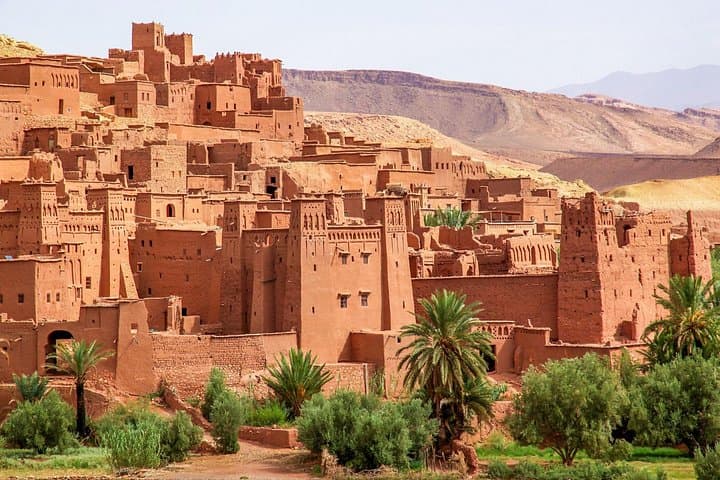
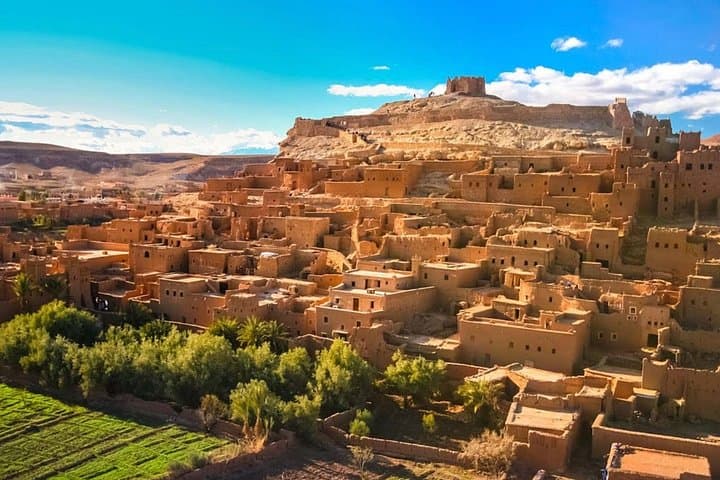
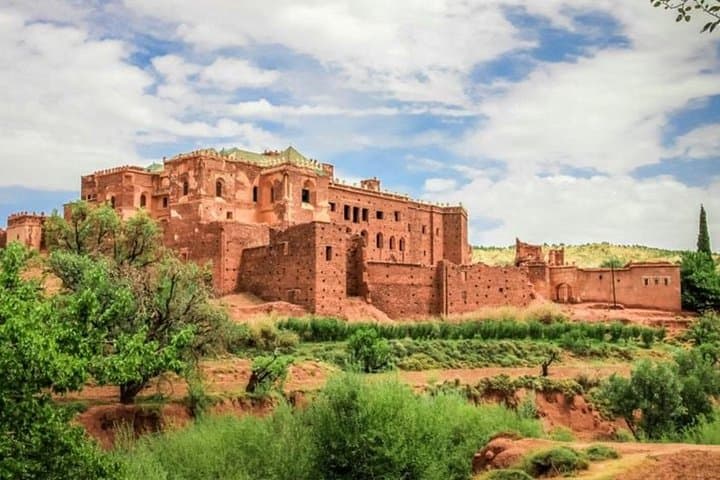
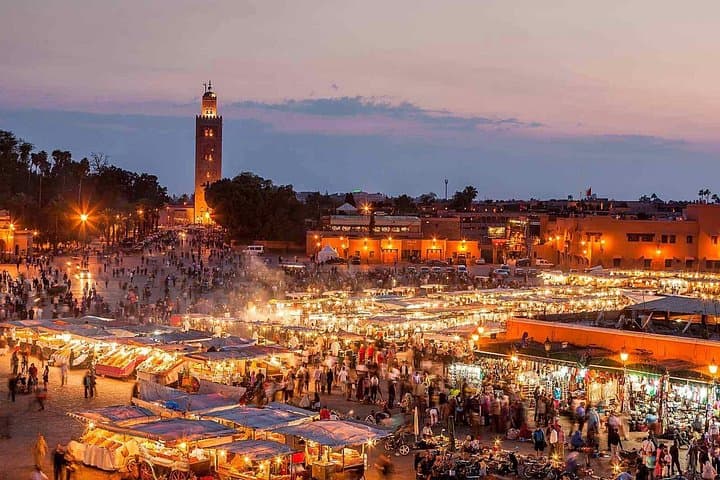
The road climbs out of Marrakech with the Atlas at your shoulder and the air sharpening as the bus snakes up Tizi n’Tichka. Windows frame a changing country—red earth, terraced fields, and distant peaks—until the ochre walls of Aït Ben Haddou appear like a compact village carved from the hillside.
The road climbs out of Marrakech with the Atlas at your shoulder and the air sharpening as the bus snakes up Tizi n’Tichka. Windows frame a changing country—red earth, terraced fields, and distant peaks—until the ochre walls of Aït Ben Haddou appear like a compact village carved from the hillside.
Aït Ben Haddou is a living example of southern Moroccan earthen architecture and a UNESCO World Heritage site that once sat on trans-Saharan trade routes. Geologically, the valley collects alluvial fans and clay sediments that give the kasbahs their signature red tone; culturally, the settlement reflects centuries of Berber life, and later the imprint of the Glaoui family and the film industry in nearby Ouarzazate.
You’ll move through narrow lanes and climb short stairways to viewpoints that look across the ksar and the Ounila Valley. In Ouarzazate, the Cinema Museum and studio façades explain why filmmakers choose this light and landscape. Local tea stalls and cooperative craft sellers offer a grounded counterpoint to the cinematic gloss.
Practical guide: the tour involves long road sections with short walks—expect up to 100 meters on uneven packed-earth surfaces and stone steps. Dress in layers for cooler mountain passes, wear sturdy shoes, and bring sunscreen and water. Start early to avoid midday heat and allow extra time for photos at the pass. Respect private homes and follow your guide’s route through the kasbah; photography is common, but ask before photographing people. This day trip blends panoramas, history, and pragmatic travel—ideal for visitors who want maximum cultural payoff with minimal hiking.