THE ADVENTURE COLLECTIVE® · Independent discovery and booking for outdoor travel

Travel from Marrakech into the High Atlas to visit two of southern Morocco’s most striking kasbahs: the UNESCO ksar at Aït Ben Haddou and the ornate Glaoui Palace at Telouet. This full-day route combines cultural history, dramatic desert-edge scenery, and hands-on local encounters.
Travel from Marrakech into the High Atlas to visit two of southern Morocco’s most striking kasbahs: the UNESCO ksar at Aït Ben Haddou and the ornate Glaoui Palace at Telouet. This full-day route combines cultural history, dramatic desert-edge scenery, and hands-on local encounters.
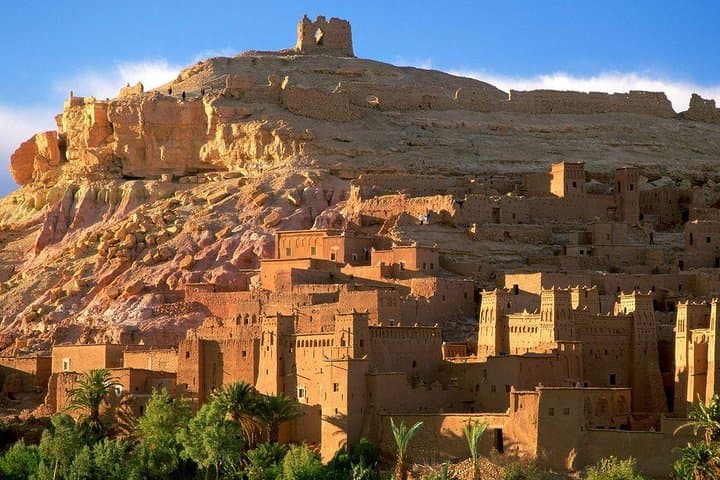
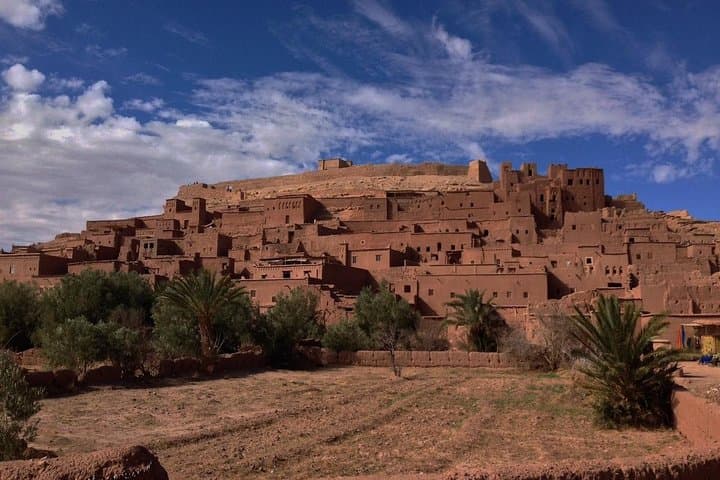
The road climbs out of Marrakech before dawn, the Atlas Mountains sharpening into relief as sunlight trims the ridgelines. By midmorning you arrive at Aït Ben Haddou: mud-brick towers rise from the hillside like a fortified village frozen in ochre. The ksar’s alleys narrow, the walls hold heat, and the silhouette of prayer mats and painted doors gives shape to centuries of caravan traffic.
Verified experiences and guided adventures in the surrounding area.
Operated by Morocco Sahara Desert Travel · Aït Ben Haddou, Ouarzazate Province
The road climbs out of Marrakech before dawn, the Atlas Mountains sharpening into relief as sunlight trims the ridgelines. By midmorning you arrive at Aït Ben Haddou: mud-brick towers rise from the hillside like a fortified village frozen in ochre. The ksar’s alleys narrow, the walls hold heat, and the silhouette of prayer mats and painted doors gives shape to centuries of caravan traffic.
Aït Ben Haddou is a UNESCO-listed ksar that once sat on the caravan route between the Sahara and Marrakesh; its rammed-earth architecture and communal granaries (agadir) show how stone and clay were shaped to store grain and shelter families. Further up-valley, Telouet Kasbah — the Glaoui Palace — reveals a different chapter: 19th–20th century opulence, carved stucco, green-tiled roofs and cedar ceilings that tell of a powerful local dynasty and Morocco’s colonial-era politics.
Geologically the route follows alluvial terraces and red clay soils washed from the High Atlas; the landscape alternates between irrigated palm groves and stark basaltic outcrops. Locally, residents speak Arabic and Tamazight; small cooperatives sell woven goods and argan-based products.
Practical guidance: this is a full-day trip (roughly 12 hours) with extended driving on paved mountain roads; wear sturdy walking shoes for uneven cobbles and be ready for sun exposure. Carry water, sun protection and small change for entrance fees or local purchases. Photography is rewarding but respectful: ask before photographing people and interior spaces.
Timing matters: arrive early at Aït Ben Haddou for cooler light and quieter lanes, and allow an unhurried hour or two at Telouet to inspect carved ceilings and tiled mosaics.
moderate.
12 hours.
Moderate fitness—able to handle several short walks, stairs and a full day in a vehicle
The excursion runs about 12 hours door-to-door, with roughly 3–4 hours of driving each way depending on traffic and stops.
This tour description notes sightseeing and private transport; verify whether local kasbah entrance fees are covered when booking.
Infants must sit on laps and special child seats can be arranged; travelers should note a minimum of two people per booking and assess tolerance for long car rides.
Expect short to moderate walks up slopes and across uneven surfaces—roughly 1–2 hours of walking total at the main sites.
Aït Ben Haddou grew as a fortified caravan stop on trans-Saharan routes; Telouet’s kasbah reflects the wealth and political role of the Glaoui family during the 19th and early 20th centuries.
The earthen architecture is fragile—stick to paths, avoid touching soft façades, and support local cooperatives that invest income back into community conservation.
Morocco Sahara Desert Travel operates guided outdoor trips and adventures with an emphasis on safety, stewardship, and memorable experiences.
The road climbs out of Marrakech before dawn, the Atlas Mountains sharpening into relief as sunlight trims the ridgelines. By midmorning you arrive at Aït Ben Haddou: mud-brick towers rise from the hillside like a fortified village frozen in ochre. The ksar’s alleys narrow, the walls hold heat, and the silhouette of prayer mats and painted doors gives shape to centuries of caravan traffic.
The road climbs out of Marrakech before dawn, the Atlas Mountains sharpening into relief as sunlight trims the ridgelines. By midmorning you arrive at Aït Ben Haddou: mud-brick towers rise from the hillside like a fortified village frozen in ochre. The ksar’s alleys narrow, the walls hold heat, and the silhouette of prayer mats and painted doors gives shape to centuries of caravan traffic.
Aït Ben Haddou is a UNESCO-listed ksar that once sat on the caravan route between the Sahara and Marrakesh; its rammed-earth architecture and communal granaries (agadir) show how stone and clay were shaped to store grain and shelter families. Further up-valley, Telouet Kasbah — the Glaoui Palace — reveals a different chapter: 19th–20th century opulence, carved stucco, green-tiled roofs and cedar ceilings that tell of a powerful local dynasty and Morocco’s colonial-era politics.
Geologically the route follows alluvial terraces and red clay soils washed from the High Atlas; the landscape alternates between irrigated palm groves and stark basaltic outcrops. Locally, residents speak Arabic and Tamazight; small cooperatives sell woven goods and argan-based products.
Practical guidance: this is a full-day trip (roughly 12 hours) with extended driving on paved mountain roads; wear sturdy walking shoes for uneven cobbles and be ready for sun exposure. Carry water, sun protection and small change for entrance fees or local purchases. Photography is rewarding but respectful: ask before photographing people and interior spaces.
Timing matters: arrive early at Aït Ben Haddou for cooler light and quieter lanes, and allow an unhurried hour or two at Telouet to inspect carved ceilings and tiled mosaics.