THE ADVENTURE COLLECTIVE® · Independent discovery and booking for outdoor travel

Board a short ferry from Kyushu for a half-day tour where coastal tombs, a tiny shrine, and a host of free-roaming cats create a uniquely local experience. This guided visit combines calm seaside walks with cultural stories and hands-off wildlife viewing.
Board a short ferry from Kyushu for a half-day tour where coastal tombs, a tiny shrine, and a host of free-roaming cats create a uniquely local experience. This guided visit combines calm seaside walks with cultural stories and hands-off wildlife viewing.
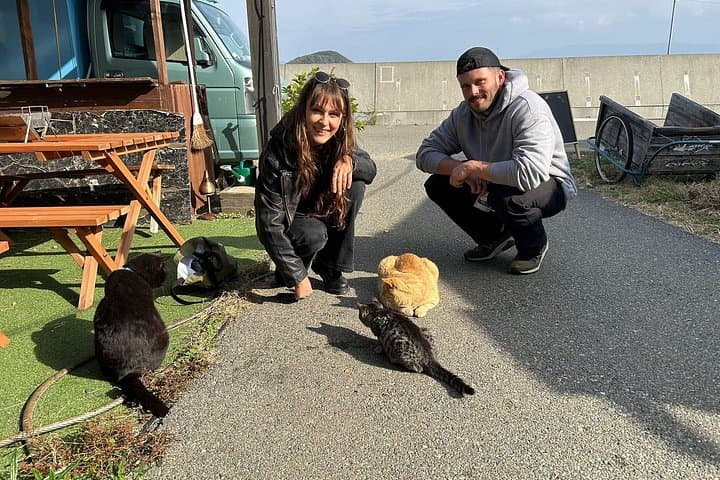
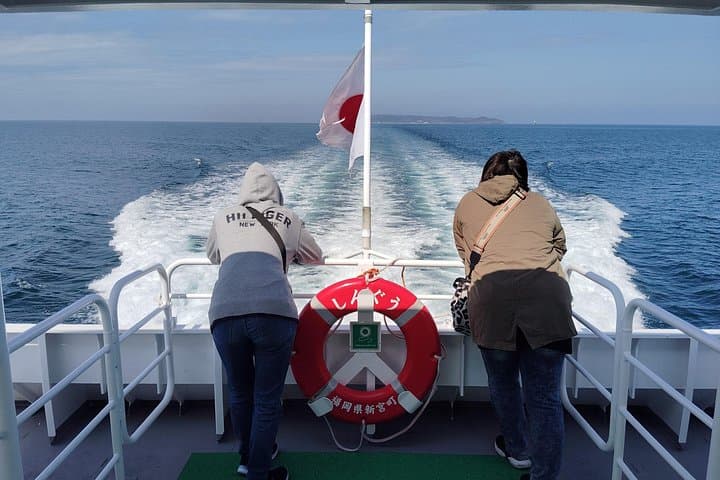
The ferry slips away from the Kyushu coast and the island appears—low, rocky, and lined with small houses where cats weave between fishing nets. On Ainoshima the sea shapes the pace: gulls call, waves polish the stone, and the animals that live here own the lanes. Guides lead visitors through a compact route that balances quiet observation with cultural context.
Verified experiences and guided adventures in the surrounding area.
Operated by DeepExperience · Shingū, Fukuoka Prefecture
The ferry slips away from the Kyushu coast and the island appears—low, rocky, and lined with small houses where cats weave between fishing nets. On Ainoshima the sea shapes the pace: gulls call, waves polish the stone, and the animals that live here own the lanes. Guides lead visitors through a compact route that balances quiet observation with cultural context.
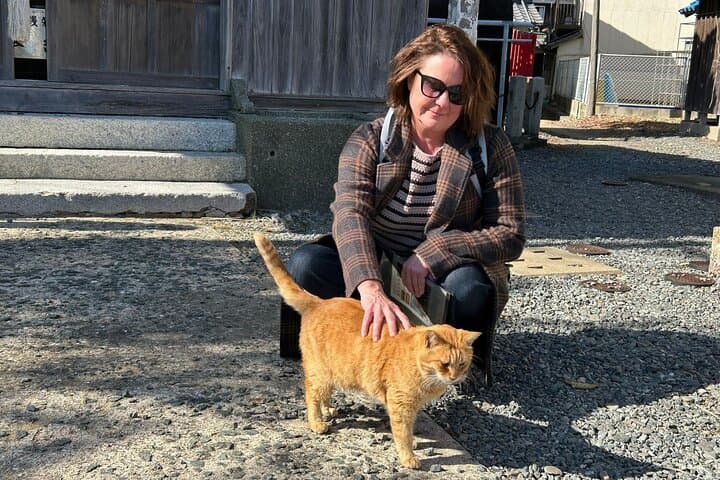
On the eastern shore, stacked stone tombs sit where sand meets sea, vestiges of a local elite whose burial practices use beach rock to mark lineage. The island’s geology is simple—coastal granite and wave-worn cobbles—yet that simplicity frames a long human story tied to fishing, seasonal shrines, and small-scale maritime trade. The main village around the fishing port is the social center: wooden houses, a tiny shrine with a stone deity, and cats that have become a living attraction and part of daily life.
Visitors spend time in the port hamlet meeting cats, listening to a guide fluent in Japanese explain island lore, and walking short stretches along shore paths. The tour is paced for easy footing but expect uneven stones, narrow alleys, and close encounters with curious felines. Practicalities: carry small bills for the ferry or snacks, wear grippy shoes, and avoid feeding cats human food. Respect private property and the shrine areas; photography is welcome but unobtrusive behavior is expected. Timing your visit for calmer seas and lower tides gives the best light and quieter paths—perfect for people who want culture, coastal geology, and a dose of island wildlife in a single half-day outing.
easy.
5–6 hours.
Light walking on uneven ground; suitable for most fitness levels but expect some standing and short uphill steps.
The tour lasts about 5.5 hours and includes guided transfers by bus and ferry, guided walks on the island, and time to interact with and observe the cats; ferry boarding fee is included.
While many cats are used to people, guides recommend not feeding them human food and only petting if the cat approaches—respectful, low-contact interaction is best.
The island has narrow alleys, uneven stones, and some steps; it’s generally easier for visitors who can walk short distances and manage uneven terrain—contact the operator to discuss accessibility needs.
Facilities are basic; bring tissues and small snacks. Some small stalls or vendors may be available, but options are limited compared to the mainland.
Ainoshima’s shore tombs suggest ancient local elites tied to maritime resources; the island’s history is rooted in small-scale fishing communities and regional shrine practices.
The island’s small ecosystem is sensitive—avoid leaving litter, don’t feed wildlife inappropriate food, and follow guide instructions to minimize disturbance.
DeepExperience operates guided outdoor trips and adventures with an emphasis on safety, stewardship, and memorable experiences.

The ferry slips away from the Kyushu coast and the island appears—low, rocky, and lined with small houses where cats weave between fishing nets. On Ainoshima the sea shapes the pace: gulls call, waves polish the stone, and the animals that live here own the lanes. Guides lead visitors through a compact route that balances quiet observation with cultural context.
The ferry slips away from the Kyushu coast and the island appears—low, rocky, and lined with small houses where cats weave between fishing nets. On Ainoshima the sea shapes the pace: gulls call, waves polish the stone, and the animals that live here own the lanes. Guides lead visitors through a compact route that balances quiet observation with cultural context.
On the eastern shore, stacked stone tombs sit where sand meets sea, vestiges of a local elite whose burial practices use beach rock to mark lineage. The island’s geology is simple—coastal granite and wave-worn cobbles—yet that simplicity frames a long human story tied to fishing, seasonal shrines, and small-scale maritime trade. The main village around the fishing port is the social center: wooden houses, a tiny shrine with a stone deity, and cats that have become a living attraction and part of daily life.
Visitors spend time in the port hamlet meeting cats, listening to a guide fluent in Japanese explain island lore, and walking short stretches along shore paths. The tour is paced for easy footing but expect uneven stones, narrow alleys, and close encounters with curious felines. Practicalities: carry small bills for the ferry or snacks, wear grippy shoes, and avoid feeding cats human food. Respect private property and the shrine areas; photography is welcome but unobtrusive behavior is expected. Timing your visit for calmer seas and lower tides gives the best light and quieter paths—perfect for people who want culture, coastal geology, and a dose of island wildlife in a single half-day outing.