THE ADVENTURE COLLECTIVE® · Independent discovery and booking for outdoor travel

Learn relaxed breath control and safe depth progression in Pemuteran with a three-day AIDA 2 freediving course. The program blends classroom theory, confined-water drills and open-water practice around community-restored reefs.
Learn relaxed breath control and safe depth progression in Pemuteran with a three-day AIDA 2 freediving course. The program blends classroom theory, confined-water drills and open-water practice around community-restored reefs.
Morning light strips the reef into bands of blue as your instructor signals from the surface: the sea is patient, expectant. Pemuteran’s shallow bays open into clear water and sheltered dive sites where every inhale and exhale becomes deliberate practice. Over three days you move from classroom breathing drills to confined-water skills, then into open water where fins, relaxation and buddying put weekday fears on hold.
Verified experiences and guided adventures in the surrounding area.
Operated by Bali Diving Academy · Pemuteran, Bali
Morning light strips the reef into bands of blue as your instructor signals from the surface: the sea is patient, expectant. Pemuteran’s shallow bays open into clear water and sheltered dive sites where every inhale and exhale becomes deliberate practice. Over three days you move from classroom breathing drills to confined-water skills, then into open water where fins, relaxation and buddying put weekday fears on hold.
This stretch of northwest Bali is defined by volcanic limestone, sheltered bays and a long history of coastal fishing and community stewardship. Pemuteran is also known for its pioneering Biorock reef-restoration work, a local effort that shaped how divers and conservationists collaborate here. Culturally, the village retains quiet temple life and fishing rhythms — respectful behavior and reef-friendly sunscreens are standard courtesy.
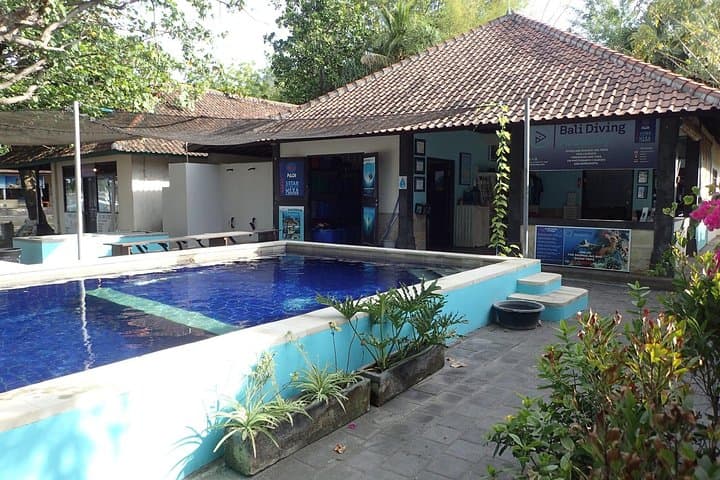
Expect structured progression: theory and pool/confined-water sessions on day one, then two open-water sessions focused on equalization, duck dives, constant weight and rescue drills, finishing with a written exam and certification. Depth practice is incremental; instructors emphasize relaxation, technique and conservative limits over depth chasing.
Practical notes: be able to swim 200 m without fins and 300 m with mask, fins and snorkel before starting. Hydrate, sleep well, and arrive with basic snorkeling comfort. Gear is provided but long freediving fins and a low-profile mask speed learning. For first-timers, mental calm is as important as core strength — the course teaches both.
moderate.
3 days (approx. 72 hours with instruction and in-water sessions).
Moderate — good aerobic fitness and comfortable continuous swimming are required; equalization and breath-hold tolerance improve with practice
Yes — successful completion of the course and written exam results in an AIDA 2 freediver certification.
Not recommended for people with significant heart or spinal conditions, or pregnant travelers; bring medical clearance if you have concerns.
Depths are progressive and conservative; many students practice down to 15–20 m depending on comfort, technique and instructor judgment.
No scuba experience is required, but you must meet the swim prerequisites (200 m without fins, 300 m with mask/fins/snorkel).
Pemuteran has grown from a fishing village into a model of community-led reef restoration; the Biorock project has helped rehabilitate local coral and support eco-tourism.
Operators emphasize no-contact diving, reef-safe sunscreen and local reef-restoration support; expect briefings on low-impact practices.
Bali Diving Academy operates guided outdoor trips and adventures with an emphasis on safety, stewardship, and memorable experiences.


Morning light strips the reef into bands of blue as your instructor signals from the surface: the sea is patient, expectant. Pemuteran’s shallow bays open into clear water and sheltered dive sites where every inhale and exhale becomes deliberate practice. Over three days you move from classroom breathing drills to confined-water skills, then into open water where fins, relaxation and buddying put weekday fears on hold.
Morning light strips the reef into bands of blue as your instructor signals from the surface: the sea is patient, expectant. Pemuteran’s shallow bays open into clear water and sheltered dive sites where every inhale and exhale becomes deliberate practice. Over three days you move from classroom breathing drills to confined-water skills, then into open water where fins, relaxation and buddying put weekday fears on hold.
This stretch of northwest Bali is defined by volcanic limestone, sheltered bays and a long history of coastal fishing and community stewardship. Pemuteran is also known for its pioneering Biorock reef-restoration work, a local effort that shaped how divers and conservationists collaborate here. Culturally, the village retains quiet temple life and fishing rhythms — respectful behavior and reef-friendly sunscreens are standard courtesy.
Expect structured progression: theory and pool/confined-water sessions on day one, then two open-water sessions focused on equalization, duck dives, constant weight and rescue drills, finishing with a written exam and certification. Depth practice is incremental; instructors emphasize relaxation, technique and conservative limits over depth chasing.
Practical notes: be able to swim 200 m without fins and 300 m with mask, fins and snorkel before starting. Hydrate, sleep well, and arrive with basic snorkeling comfort. Gear is provided but long freediving fins and a low-profile mask speed learning. For first-timers, mental calm is as important as core strength — the course teaches both.