THE ADVENTURE COLLECTIVE® · Independent discovery and booking for outdoor travel

A short, accessible walk from Tarapoto leads to Ahuashiyacu Falls—a clear plunge pool framed by volcanic stone and humid forest. This guide covers what to expect, local context, and practical tips for visiting.
A short, accessible walk from Tarapoto leads to Ahuashiyacu Falls—a clear plunge pool framed by volcanic stone and humid forest. This guide covers what to expect, local context, and practical tips for visiting.
You step off the transfer into heat-softened air and hear water before you see it: Ahuashiyacu’s cascade calls from a narrow gorge, sending mist that dares you closer. The track drops through humid forest—palms brushing the trail, leaf litter soft underfoot—until the pool opens, a clear, blue basin rimmed by volcanic stone and braided roots. Visitors come for a brisk swim, quick photos, and the birdlife that flickers through the canopy.
Verified experiences and guided adventures in the surrounding area.
Operated by Yuripari Amazon -Tour Operador · Tarapoto, San Martín
You step off the transfer into heat-softened air and hear water before you see it: Ahuashiyacu’s cascade calls from a narrow gorge, sending mist that dares you closer. The track drops through humid forest—palms brushing the trail, leaf litter soft underfoot—until the pool opens, a clear, blue basin rimmed by volcanic stone and braided roots. Visitors come for a brisk swim, quick photos, and the birdlife that flickers through the canopy.
Geologically the falls cut through Amazonian foothill deposits where rivers have carved channels through volcanic and alluvial layers, creating the short but dramatic drop. Culturally, Ahuashiyacu has long been a local weekend escape for people from Tarapoto; the Quechua and mestizo communities in the San Martín region use it for bathing, small offerings, and seasonal gatherings.
Expect to see hummingbirds, tanagers and occasional squirrel monkeys along the approach; insects are busy year-round. The site is compact—about a 15–25 minute walk from the roadside parking—and managed with a simple entrance gate and basic facilities.
Practical guidance: arrive early to avoid crowds and the midday heat, bring water and non-slip shoes—the trail and rock around the pool are wet. Guides included with many tours will point out local flora and safe swim areas; if you plan to wade, wear water shoes and keep valuables dry. Respect local rules: no glass, pack out trash, and avoid cliff-jumping—currents and submerged rocks make the pool deceptively deep.
A short, sensory slice of Amazonian foothills, Ahuashiyacu is accessible, lively, and best enjoyed with a practical mindset and curiosity for the surrounding life.
easy.
1–2 hours.
Suitable for basic fitness; able to walk 10–30 minutes on uneven, wet terrain and climb short steps.
The approach is short—typically 10–25 minutes depending on pace and starting point; the managed path is well-marked but can be slippery.
Yes, there is a designated pool for bathing; obey posted rules and guides for safe areas—avoid cliff-jumping due to submerged rocks.
Basic facilities and a small entrance booth exist, but expect minimal infrastructure—bring water, sun protection and change clothes in your vehicle.
Yes, Ahuashiyacu is open year-round, though heavy rain during the wet season can raise water levels and occasionally prompt temporary closures.
Ahuashiyacu has served as a local recreational and ritual place for communities around Tarapoto; its name and use reflect the region’s indigenous and mestizo cultural ties to freshwater sites.
Heavy foot traffic and litter can stress the small gorge; follow leave-no-trace practices and support local guides and entrance fees that fund basic upkeep.
Yuripari Amazon -Tour Operador operates guided outdoor trips and adventures with an emphasis on safety, stewardship, and memorable experiences.
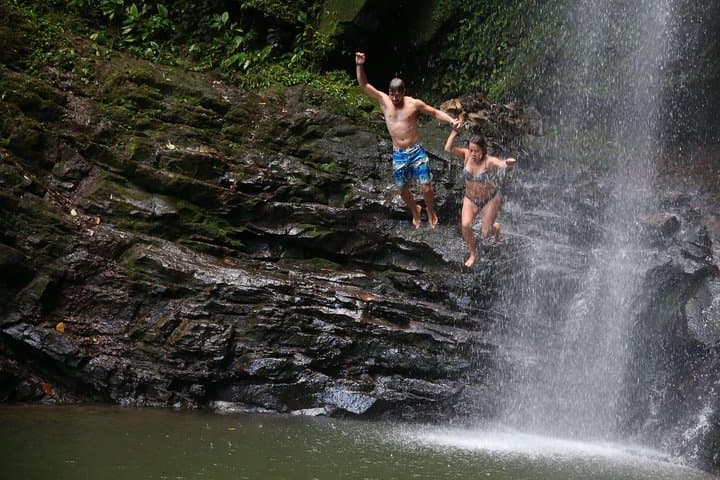
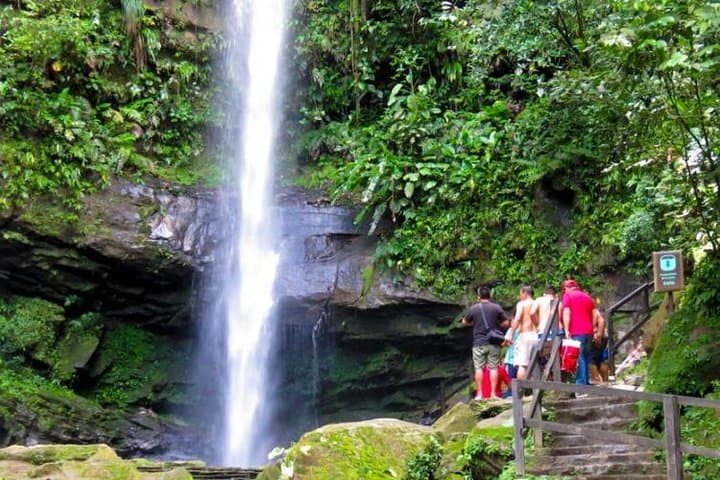
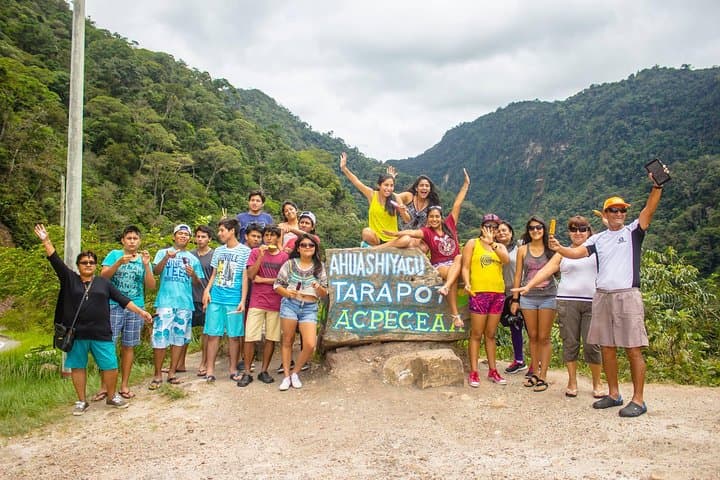
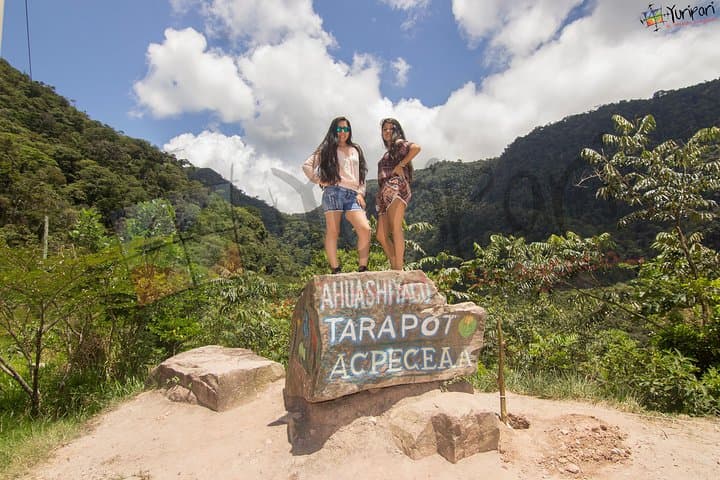
You step off the transfer into heat-softened air and hear water before you see it: Ahuashiyacu’s cascade calls from a narrow gorge, sending mist that dares you closer. The track drops through humid forest—palms brushing the trail, leaf litter soft underfoot—until the pool opens, a clear, blue basin rimmed by volcanic stone and braided roots. Visitors come for a brisk swim, quick photos, and the birdlife that flickers through the canopy.
You step off the transfer into heat-softened air and hear water before you see it: Ahuashiyacu’s cascade calls from a narrow gorge, sending mist that dares you closer. The track drops through humid forest—palms brushing the trail, leaf litter soft underfoot—until the pool opens, a clear, blue basin rimmed by volcanic stone and braided roots. Visitors come for a brisk swim, quick photos, and the birdlife that flickers through the canopy.
Geologically the falls cut through Amazonian foothill deposits where rivers have carved channels through volcanic and alluvial layers, creating the short but dramatic drop. Culturally, Ahuashiyacu has long been a local weekend escape for people from Tarapoto; the Quechua and mestizo communities in the San Martín region use it for bathing, small offerings, and seasonal gatherings.
Expect to see hummingbirds, tanagers and occasional squirrel monkeys along the approach; insects are busy year-round. The site is compact—about a 15–25 minute walk from the roadside parking—and managed with a simple entrance gate and basic facilities.
Practical guidance: arrive early to avoid crowds and the midday heat, bring water and non-slip shoes—the trail and rock around the pool are wet. Guides included with many tours will point out local flora and safe swim areas; if you plan to wade, wear water shoes and keep valuables dry. Respect local rules: no glass, pack out trash, and avoid cliff-jumping—currents and submerged rocks make the pool deceptively deep.
A short, sensory slice of Amazonian foothills, Ahuashiyacu is accessible, lively, and best enjoyed with a practical mindset and curiosity for the surrounding life.