THE ADVENTURE COLLECTIVE® · Independent discovery and booking for outdoor travel

Spend six days crossing Sri Lanka’s agricultural regions—from coconut groves and paddy plains to tea slopes—watching traditional harvests and modern seed production up close. Practical, hands-on farm visits and guided transport make this an immersive rural experience.
Spend six days crossing Sri Lanka’s agricultural regions—from coconut groves and paddy plains to tea slopes—watching traditional harvests and modern seed production up close. Practical, hands-on farm visits and guided transport make this an immersive rural experience.
You arrive at Bandaranaike International as humid air greets the plane and a row of coconut palms leans toward the sea. An English-speaking chauffeur-guide meets you and, within an hour, the coastal flat gives way to patchwork paddy fields where water plates the soil like mirrors and farmers move through them with practiced rhythms.
Verified experiences and guided adventures in the surrounding area.
Operated by Lakpura LLC · Negombo, Western Province
You arrive at Bandaranaike International as humid air greets the plane and a row of coconut palms leans toward the sea. An English-speaking chauffeur-guide meets you and, within an hour, the coastal flat gives way to patchwork paddy fields where water plates the soil like mirrors and farmers move through them with practiced rhythms.
This six-day circuit follows Sri Lanka’s agricultural spine: coconut groves and mixed orchards around Matale, state-run seed farms and paddy plains in Hingurakgoda and Polonnaruwa, and the gentler slopes of Kandy’s tea country. Geologically the island shifts from coastal lowlands at sea level to the central highlands—Kandy sits near 400–500 m—so you’ll notice changes in soil, rainfall and crop types as you ascend. Culturally, farming here blends age-old rituals—harvest songs, communal transplanting—with modern seed-production efforts that support national food security.
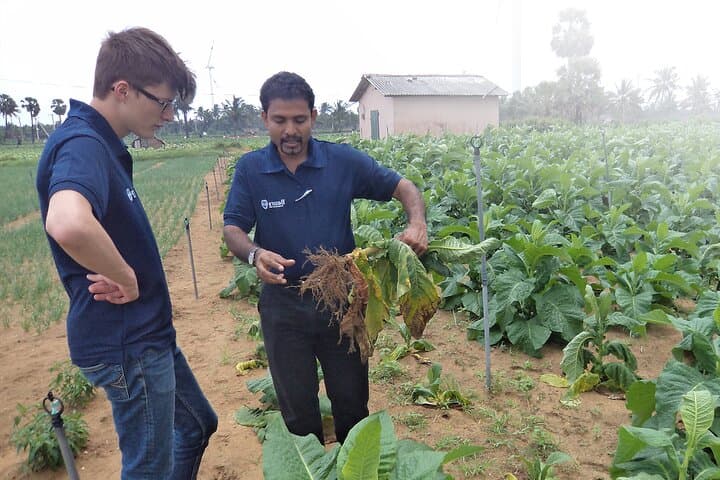
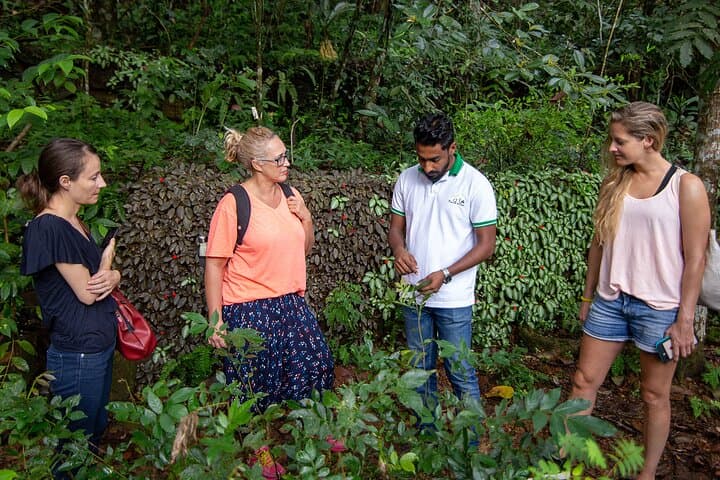
Expect on-farm demos: coconut climbing, milking cows, black pepper trellis systems, and a tea factory tour near Peradeniya that demonstrates withering, rolling and drying. Transit times are part of the day—plan for 2–4 hour drives between bases—and terrain ranges from flat, muddy paddies to packed dirt tracks and short stairways through tea fields.
Practical guidance: wear closed-toe shoes you don’t mind getting wet, bring sun protection and insect repellent, and carry small Sri Lankan rupee notes for local purchases. Move respectfully on private farms, follow guides during hands-on demos, and time visits during Yala (May–Aug) or Maha (Oct–Feb) if you want to see active planting or harvest scenes.
moderate.
6 days.
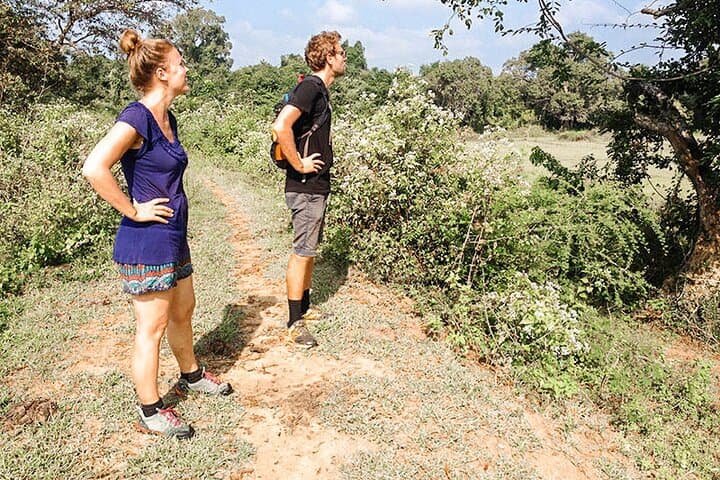
Suitable for travelers with moderate fitness able to walk 1–3 km over uneven or muddy ground and handle short climbs
No; the tour is designed for curious travelers—guides and farmers lead demonstrations and supervise hands-on activities.
Expect several drives of 2–4 hours between bases (Negombo–Matale, Matale–Hingurakgoda, Hingurakgoda–Kandy), with shorter local transfers for farm visits.
This private tour includes transport and guide services; confirm with the operator which hotels and meals are part of the package before booking.
Sri Lanka’s two main paddy seasons—Yala (May–Aug) and Maha (Oct–Feb)—affect planting and harvest; ask the operator about timing for field activity during booking.
Agriculture has been central since ancient kingdoms built large tank-and-Canal irrigation systems; many modern farms still rely on these historical reservoirs like Minneriya.
Support farms practicing organic or sustainable methods, avoid bringing invasive seeds, and minimize plastic and chemical runoff by using refillable bottles and eco-friendly repellents.
Lakpura LLC operates guided outdoor trips and adventures with an emphasis on safety, stewardship, and memorable experiences.
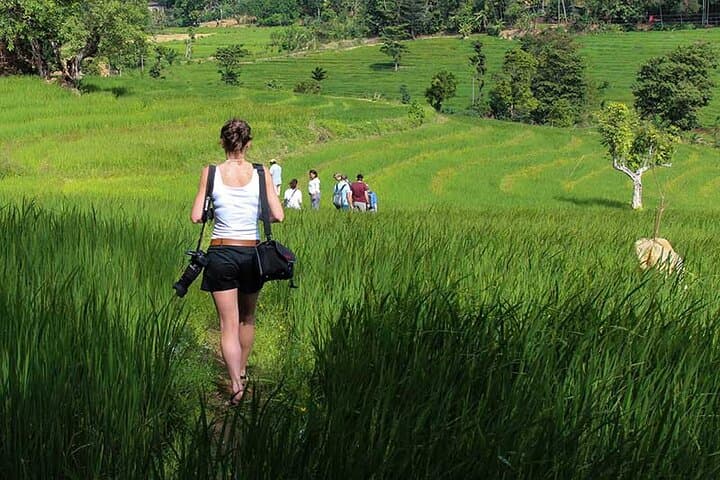
You arrive at Bandaranaike International as humid air greets the plane and a row of coconut palms leans toward the sea. An English-speaking chauffeur-guide meets you and, within an hour, the coastal flat gives way to patchwork paddy fields where water plates the soil like mirrors and farmers move through them with practiced rhythms.
You arrive at Bandaranaike International as humid air greets the plane and a row of coconut palms leans toward the sea. An English-speaking chauffeur-guide meets you and, within an hour, the coastal flat gives way to patchwork paddy fields where water plates the soil like mirrors and farmers move through them with practiced rhythms.
This six-day circuit follows Sri Lanka’s agricultural spine: coconut groves and mixed orchards around Matale, state-run seed farms and paddy plains in Hingurakgoda and Polonnaruwa, and the gentler slopes of Kandy’s tea country. Geologically the island shifts from coastal lowlands at sea level to the central highlands—Kandy sits near 400–500 m—so you’ll notice changes in soil, rainfall and crop types as you ascend. Culturally, farming here blends age-old rituals—harvest songs, communal transplanting—with modern seed-production efforts that support national food security.
Expect on-farm demos: coconut climbing, milking cows, black pepper trellis systems, and a tea factory tour near Peradeniya that demonstrates withering, rolling and drying. Transit times are part of the day—plan for 2–4 hour drives between bases—and terrain ranges from flat, muddy paddies to packed dirt tracks and short stairways through tea fields.
Practical guidance: wear closed-toe shoes you don’t mind getting wet, bring sun protection and insect repellent, and carry small Sri Lankan rupee notes for local purchases. Move respectfully on private farms, follow guides during hands-on demos, and time visits during Yala (May–Aug) or Maha (Oct–Feb) if you want to see active planting or harvest scenes.