THE ADVENTURE COLLECTIVE® · Independent discovery and booking for outdoor travel

Watch the Taj as dawn washes over white marble, then walk through Mughal forts, bazaars, and riverside gardens on a single-day cultural loop. Perfect for history lovers who want a compact, well-guided immersion into Agra’s architecture and craft.
Watch the Taj as dawn washes over white marble, then walk through Mughal forts, bazaars, and riverside gardens on a single-day cultural loop. Perfect for history lovers who want a compact, well-guided immersion into Agra’s architecture and craft.
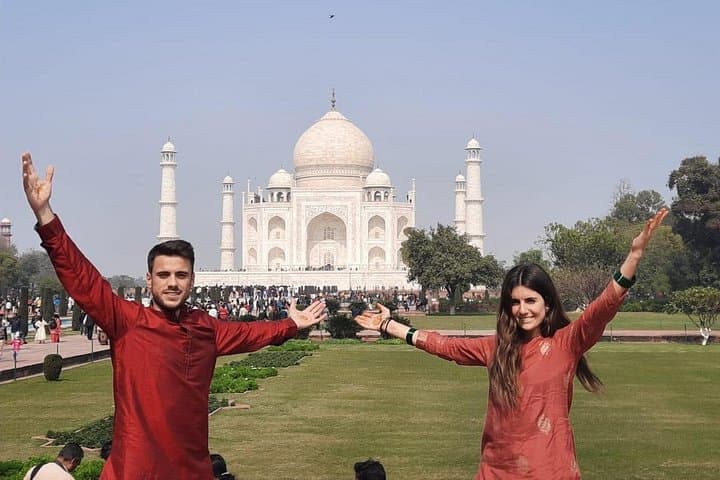
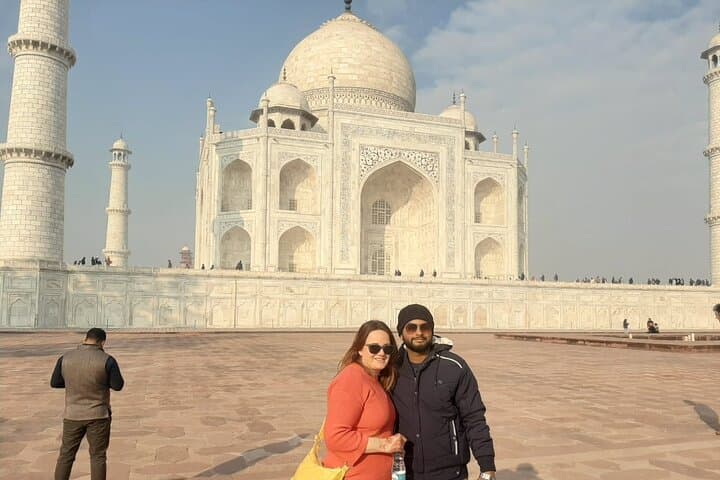
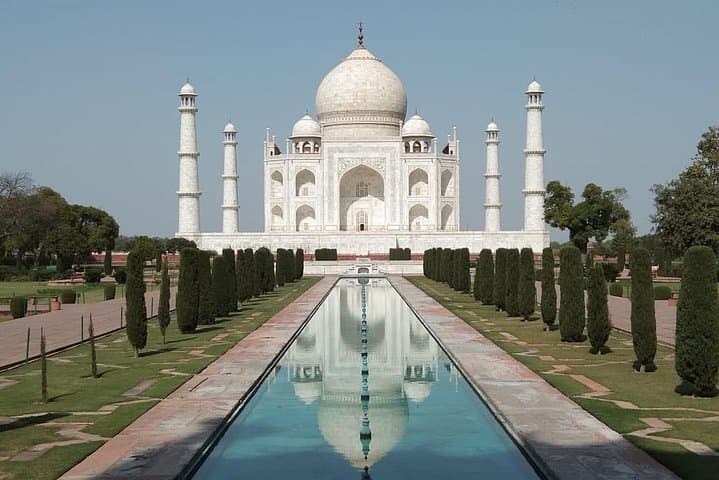
You step out of the car before dawn, the Yamuna river breathing cool mist as the Taj Mahal’s marble begins to blush in the first light. The groups of morning cleaners sweep courtyards while a local guide measures out stories of empire; the ivory mausoleum holds the hush of a city that once built an entire landscape around grief and power.
Verified experiences and guided adventures in the surrounding area.
Operated by Padma Holidays · Agra, Uttar Pradesh
You step out of the car before dawn, the Yamuna river breathing cool mist as the Taj Mahal’s marble begins to blush in the first light. The groups of morning cleaners sweep courtyards while a local guide measures out stories of empire; the ivory mausoleum holds the hush of a city that once built an entire landscape around grief and power.
This one-day heritage walk threads Mughal history and living craft. The Taj Mahal (built by Shah Jahan, 1632–1653) anchors the morning; downstream the charbagh layout of Mehtab Bagh frames reflections across the river. Agra Fort—Akbar’s red-sandstone citadel—shows defensive planning and later Shah Jahan’s palace insertions. Itmad-ud-Daulah, the so-called Baby Taj, displays pietra dura and prefigures the larger mausoleum. Kinari Bazaar and nearby marble-inlay workshops keep the city’s artisan economy audible and bright.
Practical rhythm: arrive for sunrise to avoid heat and crowds, allow two hours at the Taj, and plan for a full day if you’re coming from Delhi (roughly 3–4 hours’ drive each way). Wear comfortable, breathable clothing and modest attire for mosque visits; sunscreen and water are essentials. Photography is welcome but respect signs and restricted zones inside monuments. Expect paved pathways, courtyard steps, and short walks between sites—this is a cultural walk with long stretches of standing and walking rather than technical hiking.
Local guides accelerate context—dates, patronage, and craft techniques—and point to quieter vantage points like Mehtab Bagh or a marble workshop courtyard. Keep a little cash for market bargaining and small artisan purchases; the best souvenirs are the skilled hands that still cut and inlay stone here.
easy.
10–12 hours.
Suitable for travelers with basic mobility; expect several hours of walking and standing but no technical exertion.
The drive is typically 3–4 hours each way via the Yamuna Expressway, depending on traffic and your Delhi pickup point.
This tour option includes entry tickets to listed monuments when selected; confirm at booking and carry ID for ticketing.
The Taj Mahal is closed on Fridays for general visitors; other monuments have varying hours—check local schedules before booking.
Yes—physical demands are light, but expect a long day; travelers with mobility issues should check for step-free access at specific sites.
Agra rose to prominence under the Mughals; the Taj Mahal (1632–1653) was commissioned by Shah Jahan and Itmad-ud-Daulah predates it and influenced later decorative styles.
The Archaeological Survey of India manages major sites and enforces protective zones; visitors should stay on paths, avoid littering, and refrain from touching delicate inlays.
Padma Holidays operates guided outdoor trips and adventures with an emphasis on safety, stewardship, and memorable experiences.

You step out of the car before dawn, the Yamuna river breathing cool mist as the Taj Mahal’s marble begins to blush in the first light. The groups of morning cleaners sweep courtyards while a local guide measures out stories of empire; the ivory mausoleum holds the hush of a city that once built an entire landscape around grief and power.
You step out of the car before dawn, the Yamuna river breathing cool mist as the Taj Mahal’s marble begins to blush in the first light. The groups of morning cleaners sweep courtyards while a local guide measures out stories of empire; the ivory mausoleum holds the hush of a city that once built an entire landscape around grief and power.
This one-day heritage walk threads Mughal history and living craft. The Taj Mahal (built by Shah Jahan, 1632–1653) anchors the morning; downstream the charbagh layout of Mehtab Bagh frames reflections across the river. Agra Fort—Akbar’s red-sandstone citadel—shows defensive planning and later Shah Jahan’s palace insertions. Itmad-ud-Daulah, the so-called Baby Taj, displays pietra dura and prefigures the larger mausoleum. Kinari Bazaar and nearby marble-inlay workshops keep the city’s artisan economy audible and bright.
Practical rhythm: arrive for sunrise to avoid heat and crowds, allow two hours at the Taj, and plan for a full day if you’re coming from Delhi (roughly 3–4 hours’ drive each way). Wear comfortable, breathable clothing and modest attire for mosque visits; sunscreen and water are essentials. Photography is welcome but respect signs and restricted zones inside monuments. Expect paved pathways, courtyard steps, and short walks between sites—this is a cultural walk with long stretches of standing and walking rather than technical hiking.
Local guides accelerate context—dates, patronage, and craft techniques—and point to quieter vantage points like Mehtab Bagh or a marble workshop courtyard. Keep a little cash for market bargaining and small artisan purchases; the best souvenirs are the skilled hands that still cut and inlay stone here.