THE ADVENTURE COLLECTIVE® · Independent discovery and booking for outdoor travel

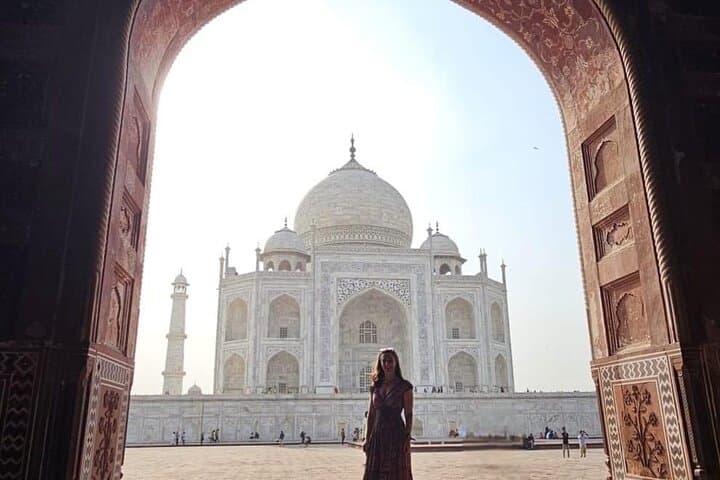
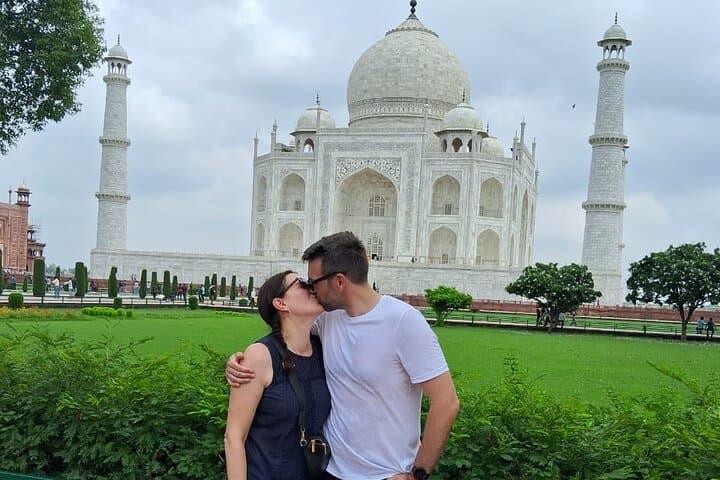
Experience Agra in a single, full day: sunrise at the Taj Mahal, panoramic viewpoints at Agra Fort, and the delicate carvings of the Baby Taj. This guided private tour combines history, local craft stops, and practical logistics to make the most of limited time in one of India’s richest cultural corridors.
Experience Agra in a single, full day: sunrise at the Taj Mahal, panoramic viewpoints at Agra Fort, and the delicate carvings of the Baby Taj. This guided private tour combines history, local craft stops, and practical logistics to make the most of limited time in one of India’s richest cultural corridors.
A pale morning light softens the white marble as your guide leads you across the Taj Mahal platform — the monument’s surface cooling beneath measured footsteps. The Yamuna slips past the fort’s base, its current quietly framing vistas that once defined imperial sightlines. This is Agra at its most focused: monuments, markets, and the slow work of craft passed between generations.
Verified experiences and guided adventures in the surrounding area.
Operated by THE GOLDEN MEMORIES · Agra, Uttar Pradesh
A pale morning light softens the white marble as your guide leads you across the Taj Mahal platform — the monument’s surface cooling beneath measured footsteps. The Yamuna slips past the fort’s base, its current quietly framing vistas that once defined imperial sightlines. This is Agra at its most focused: monuments, markets, and the slow work of craft passed between generations.
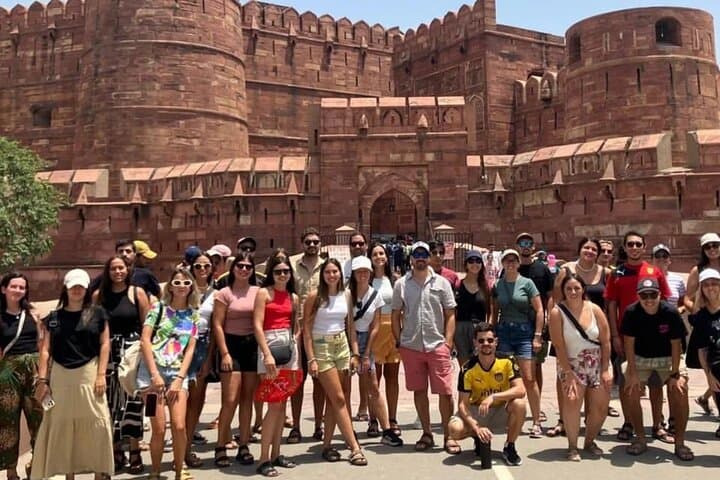
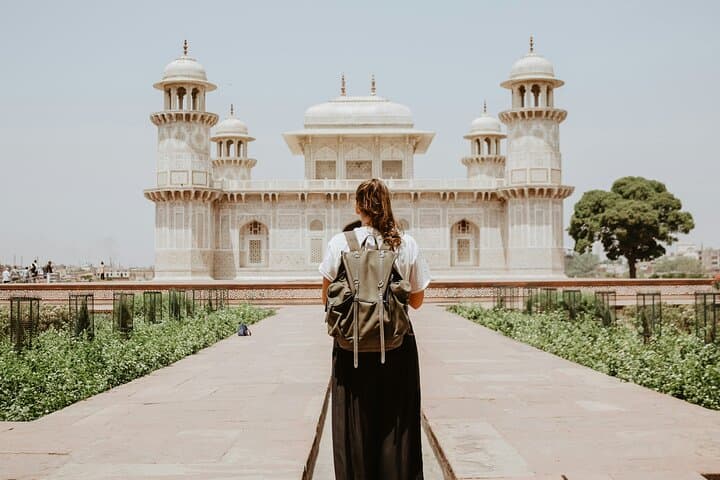
The day moves from the Taj’s inlaid pietra dura and funerary symbolism to the red sandstone ramparts of Agra Fort, where Mughal military architecture meets palace chambers that once framed imperial ritual. Nearby, the Baby Taj (Itimād-ud-Daulah) reveals delicate jali screens and early examples of the decorative inlay that later culminated in the Taj. Geologically, these structures sit on the alluvial plains of the Yamuna — clay-rich soils that both supported and challenged massive marble foundations.
Culturally, expect artisans selling marble inlay and embroidered textiles, and the hum of bazaars where food and craft intersect. Historically, Shah Jahan’s 17th-century commissions dominate the narrative, yet local stories and crafts tie present-day Agra to centuries of trade.
Practical guidance: start at sunrise to beat heat and crowds; permit and bag checks are strict, and some interiors close for maintenance or Friday prayer. Wear comfortable shoes for mixed surfaces, carry water, and use a local guide to skip long-ticket lines and decode Mughal iconography. Ask to finish at Mehtab Bagh for a river-side view of the Taj — a quieter lens on a famous silhouette.
easy.
5–6 hours.
Light fitness required — comfortable walking for several hours with intermittent standing and stairs; suitable for most travelers.
Admission is not included by default; the itinerary notes admissions as optional — confirm ticket inclusion when booking or ask your guide to purchase on your behalf.
The Taj Mahal is closed to the public on Fridays for congregational prayers, though the surrounding complex and viewpoints remain accessible on other days.
Many areas are accessible and the provider lists wheelchair and stroller accessibility, but expect some steps and uneven surfaces at specific viewpoints.
Guides commonly speak English and local languages; tipping is customary for good service — a modest cash tip to the guide and driver is appreciated.
Agra rose to prominence under Mughal rule; Shah Jahan’s reign produced the Taj Mahal in the 17th century while Agra Fort served as a royal citadel and administrative center.
Visitor pressure affects marble surfaces and site maintenance — follow marked paths, avoid touching inlaid work, and support local conservation fees that help preserve the monuments.
THE GOLDEN MEMORIES operates guided outdoor trips and adventures with an emphasis on safety, stewardship, and memorable experiences.
A pale morning light softens the white marble as your guide leads you across the Taj Mahal platform — the monument’s surface cooling beneath measured footsteps. The Yamuna slips past the fort’s base, its current quietly framing vistas that once defined imperial sightlines. This is Agra at its most focused: monuments, markets, and the slow work of craft passed between generations.
A pale morning light softens the white marble as your guide leads you across the Taj Mahal platform — the monument’s surface cooling beneath measured footsteps. The Yamuna slips past the fort’s base, its current quietly framing vistas that once defined imperial sightlines. This is Agra at its most focused: monuments, markets, and the slow work of craft passed between generations.
The day moves from the Taj’s inlaid pietra dura and funerary symbolism to the red sandstone ramparts of Agra Fort, where Mughal military architecture meets palace chambers that once framed imperial ritual. Nearby, the Baby Taj (Itimād-ud-Daulah) reveals delicate jali screens and early examples of the decorative inlay that later culminated in the Taj. Geologically, these structures sit on the alluvial plains of the Yamuna — clay-rich soils that both supported and challenged massive marble foundations.
Culturally, expect artisans selling marble inlay and embroidered textiles, and the hum of bazaars where food and craft intersect. Historically, Shah Jahan’s 17th-century commissions dominate the narrative, yet local stories and crafts tie present-day Agra to centuries of trade.
Practical guidance: start at sunrise to beat heat and crowds; permit and bag checks are strict, and some interiors close for maintenance or Friday prayer. Wear comfortable shoes for mixed surfaces, carry water, and use a local guide to skip long-ticket lines and decode Mughal iconography. Ask to finish at Mehtab Bagh for a river-side view of the Taj — a quieter lens on a famous silhouette.