THE ADVENTURE COLLECTIVE® · Independent discovery and booking for outdoor travel

A single‑day drive from Delhi delivers three of Agra’s signature sites: the Taj Mahal, Agra Fort and the Baby Taj. This practical guide outlines what to expect—timing, walking conditions, cultural context and simple tips to make the most of the long but rewarding day.
A single‑day drive from Delhi delivers three of Agra’s signature sites: the Taj Mahal, Agra Fort and the Baby Taj. This practical guide outlines what to expect—timing, walking conditions, cultural context and simple tips to make the most of the long but rewarding day.
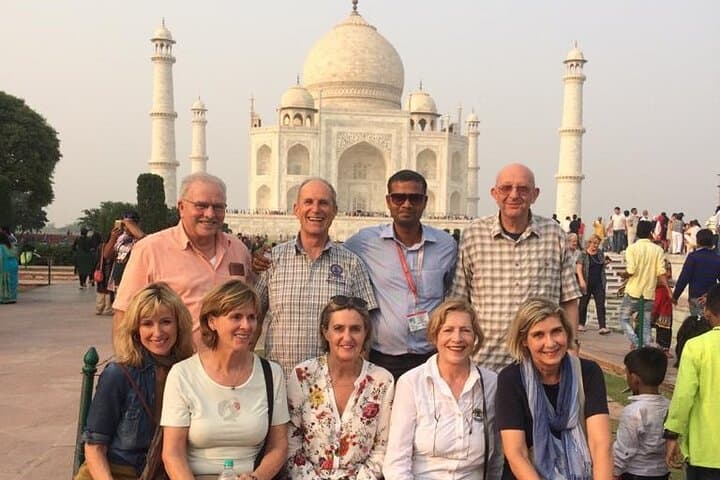
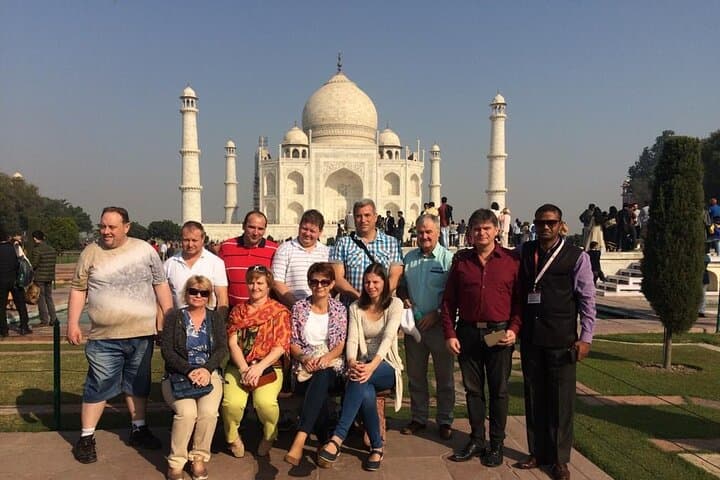
Morning light turns the marble of the Taj Mahal from cool silver to warm cream as you arrive after a three‑hour drive from Delhi. The mound of lawns and reflecting pools draws eyes outward; the Yamuna moves quietly behind the mausoleum, almost daring you to linger longer as the crowds thin.
Verified experiences and guided adventures in the surrounding area.
Operated by Agora Voyages Pvt. Ltd. · Agra, Uttar Pradesh
Morning light turns the marble of the Taj Mahal from cool silver to warm cream as you arrive after a three‑hour drive from Delhi. The mound of lawns and reflecting pools draws eyes outward; the Yamuna moves quietly behind the mausoleum, almost daring you to linger longer as the crowds thin.
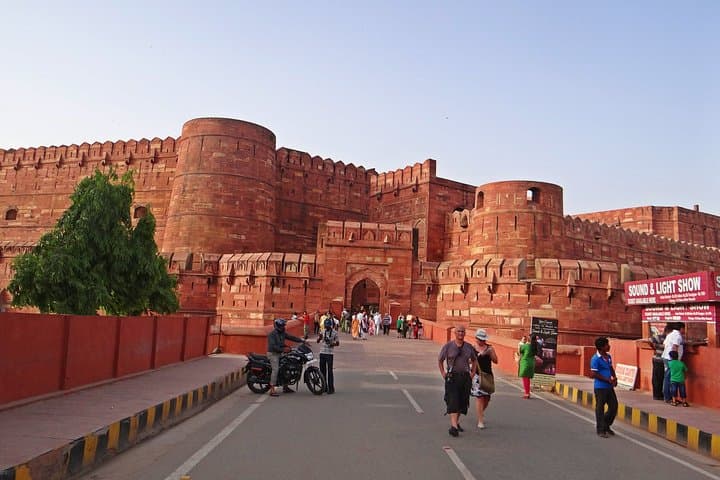
This day trip stitches together key Mughal monuments: the Taj Mahal (Shah Jahan’s marble tomb), the red sandstone ramparts of Agra Fort—built and expanded by Akbar and Shah Jahan—and the finely inlaid Tomb of Itimad‑ud‑Daulah (the “Baby Taj”), an intimate precursor to the main site. Geologically, the white marble comes from Makrana, Rajasthan, whose light, crystalline stone gives the Taj its signature sheen. Culturally, Agra’s streets echo centuries of courtly patronage—craftspeople still practice marble pietra dura and brass inlay that visitors often take home as souvenirs.
Practical edge: expect a full 10–12 hour day with significant walking on graded paths, steps and courtyards; passport or ID is required for entry. Plan for security checks at each monument and limited shaded seating near the Taj. Lunch is typically a Mughlai meal at a local restaurant; bottled water is usually provided in the vehicle. If you prefer a quieter visit, schedule the earliest possible pickup from Delhi and prioritize the Taj visit first. Respect restricted areas and on‑site staff; staying on marked paths preserves delicate inlay work and the underlying lawns. With straightforward planning—comfortable shoes, sun protection and an early start—this itinerary delivers a compact, deeply readable snapshot of Mughal Agra.
easy.
10–12 hours.
Suitable for travelers in average fitness; expect several hours on foot and short stair sections.
Expect roughly three hours each way by air‑conditioned vehicle depending on traffic; total door‑to‑door time for the tour is about 10–12 hours.
Entrance fees are often an option—confirm at booking; some tours include monument tickets and guide entry fees while others do not.
Yes—this itinerary notes stroller access and is classified as physically easy, though it involves walking and some steps; request infant seats during booking if needed.
October to March offers cooler temperatures and clearer skies; early morning visits reduce heat and crowds year‑round.
Agra rose to imperial prominence under the Mughals in the 16th–17th centuries; Shah Jahan’s patronage left an architectural trio that defines the city’s global fame.
Visitor pressure, air pollution and riverbank erosion are ongoing concerns; stick to paths, avoid flash photography where restricted, and support certified local guides to reduce impact.
Agora Voyages Pvt. Ltd. operates guided outdoor trips and adventures with an emphasis on safety, stewardship, and memorable experiences.

Morning light turns the marble of the Taj Mahal from cool silver to warm cream as you arrive after a three‑hour drive from Delhi. The mound of lawns and reflecting pools draws eyes outward; the Yamuna moves quietly behind the mausoleum, almost daring you to linger longer as the crowds thin.
Morning light turns the marble of the Taj Mahal from cool silver to warm cream as you arrive after a three‑hour drive from Delhi. The mound of lawns and reflecting pools draws eyes outward; the Yamuna moves quietly behind the mausoleum, almost daring you to linger longer as the crowds thin.
This day trip stitches together key Mughal monuments: the Taj Mahal (Shah Jahan’s marble tomb), the red sandstone ramparts of Agra Fort—built and expanded by Akbar and Shah Jahan—and the finely inlaid Tomb of Itimad‑ud‑Daulah (the “Baby Taj”), an intimate precursor to the main site. Geologically, the white marble comes from Makrana, Rajasthan, whose light, crystalline stone gives the Taj its signature sheen. Culturally, Agra’s streets echo centuries of courtly patronage—craftspeople still practice marble pietra dura and brass inlay that visitors often take home as souvenirs.
Practical edge: expect a full 10–12 hour day with significant walking on graded paths, steps and courtyards; passport or ID is required for entry. Plan for security checks at each monument and limited shaded seating near the Taj. Lunch is typically a Mughlai meal at a local restaurant; bottled water is usually provided in the vehicle. If you prefer a quieter visit, schedule the earliest possible pickup from Delhi and prioritize the Taj visit first. Respect restricted areas and on‑site staff; staying on marked paths preserves delicate inlay work and the underlying lawns. With straightforward planning—comfortable shoes, sun protection and an early start—this itinerary delivers a compact, deeply readable snapshot of Mughal Agra.