THE ADVENTURE COLLECTIVE® · Independent discovery and booking for outdoor travel

Watch the Taj Mahal glow at sunrise and again at sunset on this private 11-hour Agra day tour. Visit Agra Fort, Itimad-ud-Daulah and Mehtab Bagh with a guide who mixes history, architecture and practical tips for a seamless day.
Watch the Taj Mahal glow at sunrise and again at sunset on this private 11-hour Agra day tour. Visit Agra Fort, Itimad-ud-Daulah and Mehtab Bagh with a guide who mixes history, architecture and practical tips for a seamless day.
Pre-dawn light slides across the Yamuna as your guide leads you through the Taj Mahal's main gate; the marble cool and nearly silent except for distant prayer calls and the soft shuffle of other early visitors.
Verified experiences and guided adventures in the surrounding area.
Operated by Luxe Timetravel · Agra, Uttar Pradesh
Pre-dawn light slides across the Yamuna as your guide leads you through the Taj Mahal's main gate; the marble cool and nearly silent except for distant prayer calls and the soft shuffle of other early visitors.
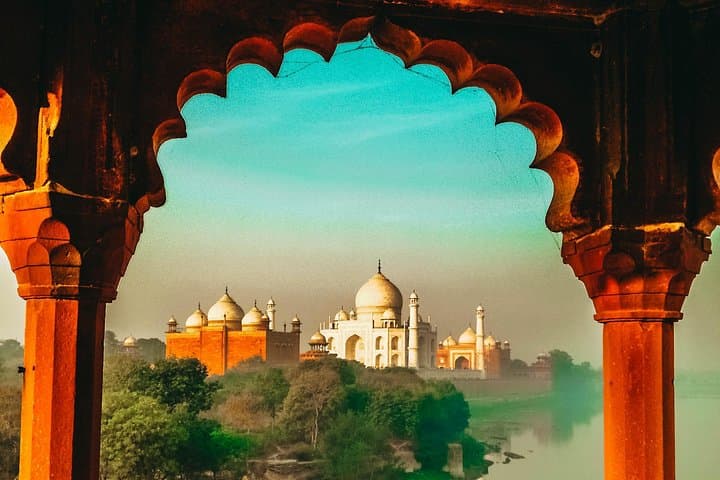
This full-day itinerary pairs the monument's emotional architecture with nearby Mughal sites: the red sandstone ramparts of Agra Fort, the delicate pietra-dura of Itimad-ud-Daulah, and Mehtab Bagh's riverside viewing platform at sunset. The Taj itself—commissioned by Shah Jahan in 1632 and built largely from Makrana marble—sits on the Yamuna's floodplain, its white façade catching both the saffron of sunrise and the rose of dusk.
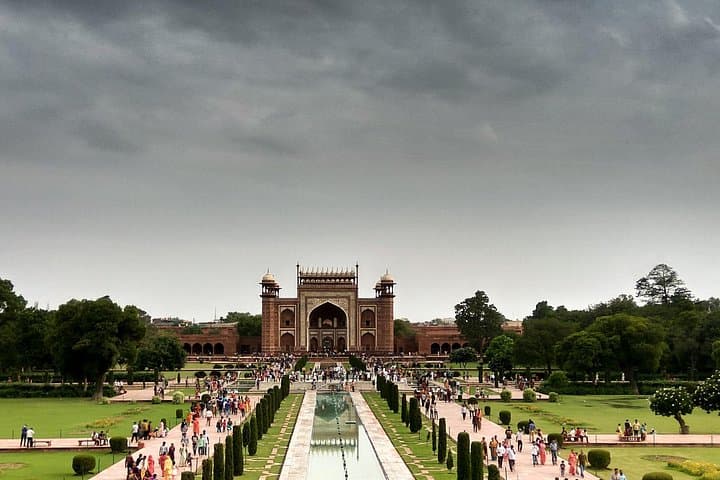
Geology shows in the stone and the floodplain soils; culture appears in charbagh garden layouts and carved jali screens that diffuse light. Local life concentrates in bazaars near the fort, where spices and pashminas trade under shade-cloth lanes.
Practical guidance: expect a long but low-impact day (roughly 10–11 hours). Bring sun protection and comfortable walking shoes—the sites involve paved paths and steps but no technical scrambling. Photography is allowed in most areas but check restrictions inside certain mausoleum chambers. The tour includes private transport and bottled water; admissions for some sites may be extra, and an optional Fatehpur Sikri stop extends travel time.
Timing is everything: sunrise minimizes crowds and heat; Mehtab Bagh gives reflective sunset views from across the river. Carry your passport copy for ticketing, be mindful of conservation rules around the Taj, and leave room in your schedule for quiet observation—these monuments reward stillness.
easy.
10–11 hours.
Suitable for most fitness levels; expect several hours of walking and stairways but no technical demands
The tour description lists some admissions included (Mehtab Bagh) but many tours require separate tickets for the Taj Mahal and Agra Fort—confirm at booking.
Typical guided visits allocate around 60–120 minutes inside and around the complex to cover main viewpoints and the mausoleum chamber.
Yes—it's classified as low physical intensity, but visitors with mobility issues should note steps and some uneven surfaces; inform the operator ahead of time.
Many operators offer an optional stop at Fatehpur Sikri for an extra cost; it adds driving time (about 40–50 km each way) and extends the day.
The Taj Mahal was commissioned by Mughal emperor Shah Jahan in 1632 as a mausoleum for Mumtaz Mahal; Agra Fort served as the dynasty's main residence until the capital moved to Delhi.
High visitor numbers and air pollution have prompted conservation efforts including marble cleaning and restricted vehicle access; follow local guidance to reduce impact.
Luxe Timetravel operates guided outdoor trips and adventures with an emphasis on safety, stewardship, and memorable experiences.
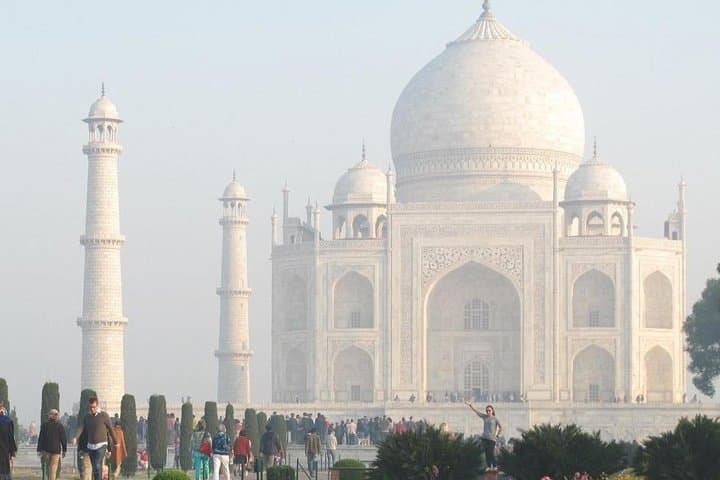
Pre-dawn light slides across the Yamuna as your guide leads you through the Taj Mahal's main gate; the marble cool and nearly silent except for distant prayer calls and the soft shuffle of other early visitors.
Pre-dawn light slides across the Yamuna as your guide leads you through the Taj Mahal's main gate; the marble cool and nearly silent except for distant prayer calls and the soft shuffle of other early visitors.
This full-day itinerary pairs the monument's emotional architecture with nearby Mughal sites: the red sandstone ramparts of Agra Fort, the delicate pietra-dura of Itimad-ud-Daulah, and Mehtab Bagh's riverside viewing platform at sunset. The Taj itself—commissioned by Shah Jahan in 1632 and built largely from Makrana marble—sits on the Yamuna's floodplain, its white façade catching both the saffron of sunrise and the rose of dusk.
Geology shows in the stone and the floodplain soils; culture appears in charbagh garden layouts and carved jali screens that diffuse light. Local life concentrates in bazaars near the fort, where spices and pashminas trade under shade-cloth lanes.
Practical guidance: expect a long but low-impact day (roughly 10–11 hours). Bring sun protection and comfortable walking shoes—the sites involve paved paths and steps but no technical scrambling. Photography is allowed in most areas but check restrictions inside certain mausoleum chambers. The tour includes private transport and bottled water; admissions for some sites may be extra, and an optional Fatehpur Sikri stop extends travel time.
Timing is everything: sunrise minimizes crowds and heat; Mehtab Bagh gives reflective sunset views from across the river. Carry your passport copy for ticketing, be mindful of conservation rules around the Taj, and leave room in your schedule for quiet observation—these monuments reward stillness.