THE ADVENTURE COLLECTIVE® · Independent discovery and booking for outdoor travel

Short, water-carved passages, two natural slides and three technical abseils make Agios Loukas an accessible canyoning introduction near Xylokastro. Guides provide neoprene suits and ropes; you bring steady footing and a sense of adventure.
Short, water-carved passages, two natural slides and three technical abseils make Agios Loukas an accessible canyoning introduction near Xylokastro. Guides provide neoprene suits and ropes; you bring steady footing and a sense of adventure.
You step off the narrow country road and into a cool, stone corridor: water threads through the gorge, pulling at your feet and daring you deeper. Sunlight slices between overhanging limestone, illuminating pools that invite short swims and natural rock slides that push the pace. The canyon tightens and opens; moss-softened walls drip while the guide rigs the rope for a short descent.
Verified experiences and guided adventures in the surrounding area.
Operated by Extreme Tours & Escape Activities · Xylokastro, Corinthia
You step off the narrow country road and into a cool, stone corridor: water threads through the gorge, pulling at your feet and daring you deeper. Sunlight slices between overhanging limestone, illuminating pools that invite short swims and natural rock slides that push the pace. The canyon tightens and opens; moss-softened walls drip while the guide rigs the rope for a short descent.
Agios Loukas (St. Luke) Canyon sits in the foothills near Xylokastro in Corinthia, formed by millennia of limestone erosion that carved potholes, ledges, and short vertical drops. The route has three technical abseils — the highest about 9 meters — plus two smooth natural slides and year-round water flow, making it a practical introduction to canyoneering in the Peloponnese. Local villages around the canyon retain a strong rural character: olive groves, stone houses, and seasonal shepherding are common sights.
Expect mixed terrain: shallow riverbed walking, wet rock, and short rappels. Guides supply neoprene suits, helmets, and waterproof containers, but you should arrive with sturdy water shoes, a swimsuit, and a dry change of clothes. The best time is late spring to early autumn when flows are comfortable; avoid high water after heavy rains. Hydrate, wear a snug helmet, and take it steady on the slick steps — the fun comes from controlled momentum, not speed.
For first-timers seeking a compact, full-sensory canyoning day, Agios Loukas balances technical touches with accessible terrain, letting the landscape lead while you learn practical rope work and river travel skills.
moderate.
4 hours.
Suitable for people with moderate fitness: steady footing, short swims, and basic climbing mobility required.
There are three short rappels with the largest around 9 meters; guides set up ropes and assist novices through each descent.
Yes — it’s marketed for beginners with year-round water, short drops, and guided instruction, though moderate fitness is required.
Operators typically supply neoprene suit, neoprene socks, helmet, belt, backpack, and a watertight container; bring personal water shoes and swimwear.
Avoid after heavy rains or during flash-flood risk; operators may cancel for safety if flows are high.
The gorge is a product of limestone karst processes common in the Peloponnese; the name references a local chapel to Agios Loukas, reflecting the area's rural ecclesiastical traditions.
Stick to marked lines, avoid trampling riverside vegetation, and carry out all non-biodegradable waste to protect the canyon’s delicate aquatic habitats.
Extreme Tours & Escape Activities operates guided outdoor trips and adventures with an emphasis on safety, stewardship, and memorable experiences.
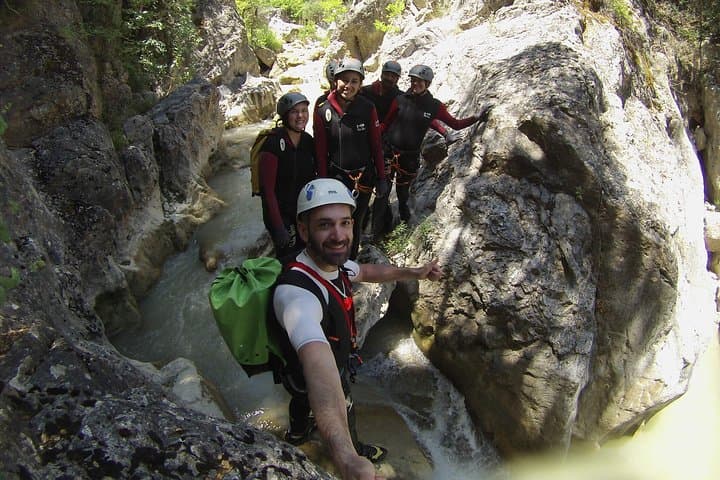
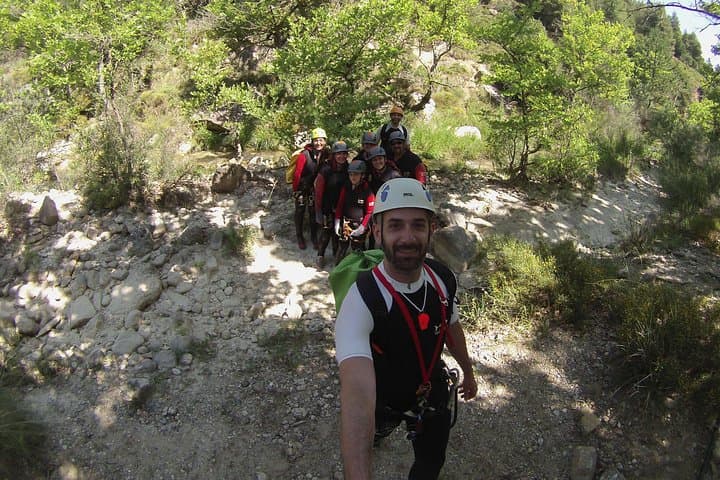
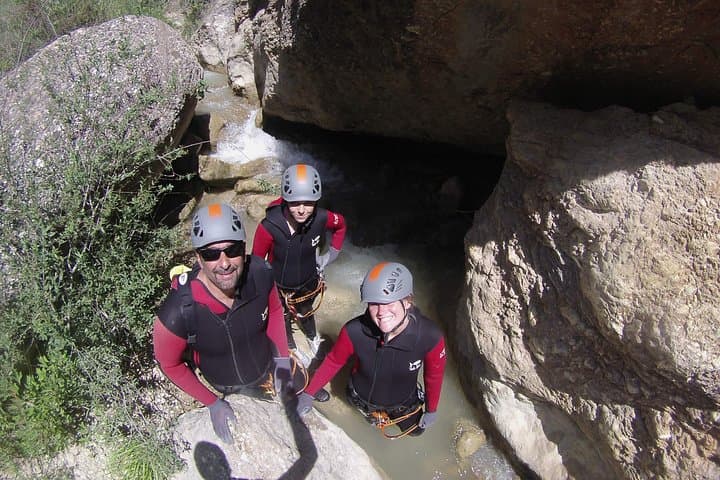
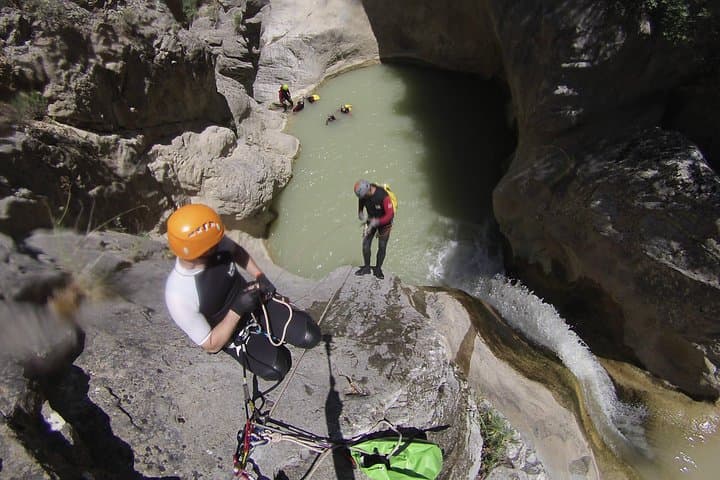
You step off the narrow country road and into a cool, stone corridor: water threads through the gorge, pulling at your feet and daring you deeper. Sunlight slices between overhanging limestone, illuminating pools that invite short swims and natural rock slides that push the pace. The canyon tightens and opens; moss-softened walls drip while the guide rigs the rope for a short descent.
You step off the narrow country road and into a cool, stone corridor: water threads through the gorge, pulling at your feet and daring you deeper. Sunlight slices between overhanging limestone, illuminating pools that invite short swims and natural rock slides that push the pace. The canyon tightens and opens; moss-softened walls drip while the guide rigs the rope for a short descent.
Agios Loukas (St. Luke) Canyon sits in the foothills near Xylokastro in Corinthia, formed by millennia of limestone erosion that carved potholes, ledges, and short vertical drops. The route has three technical abseils — the highest about 9 meters — plus two smooth natural slides and year-round water flow, making it a practical introduction to canyoneering in the Peloponnese. Local villages around the canyon retain a strong rural character: olive groves, stone houses, and seasonal shepherding are common sights.
Expect mixed terrain: shallow riverbed walking, wet rock, and short rappels. Guides supply neoprene suits, helmets, and waterproof containers, but you should arrive with sturdy water shoes, a swimsuit, and a dry change of clothes. The best time is late spring to early autumn when flows are comfortable; avoid high water after heavy rains. Hydrate, wear a snug helmet, and take it steady on the slick steps — the fun comes from controlled momentum, not speed.
For first-timers seeking a compact, full-sensory canyoning day, Agios Loukas balances technical touches with accessible terrain, letting the landscape lead while you learn practical rope work and river travel skills.