THE ADVENTURE COLLECTIVE® · Independent discovery and booking for outdoor travel

Follow an 8 km, shaded gorge cut into the White Mountains and finish the day with a swim on the wide pebble beach of Sougia. This private day tour mixes three hours of easy-to-moderate hiking with local springs, cafes, and coastal relaxation.
Follow an 8 km, shaded gorge cut into the White Mountains and finish the day with a swim on the wide pebble beach of Sougia. This private day tour mixes three hours of easy-to-moderate hiking with local springs, cafes, and coastal relaxation.
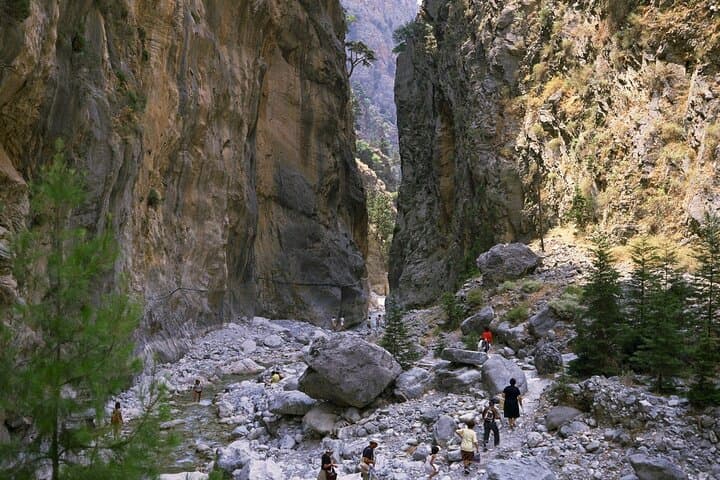
A cool shadow falls across the path as plane trees and pines close ranks above you; the air smells of crushed herbs and the White Mountains press behind like an old map. The Agia Irini Gorge cuts a green seam through Crete’s western flank, a walkable spine of springs and low waterfalls that leads down toward the pebble sweep of Sougia Bay where the sea waits, rhythmic and indifferent.
Verified experiences and guided adventures in the surrounding area.
Operated by MOYSIDIS TRAVEL · Sougia, Chania
A cool shadow falls across the path as plane trees and pines close ranks above you; the air smells of crushed herbs and the White Mountains press behind like an old map. The Agia Irini Gorge cuts a green seam through Crete’s western flank, a walkable spine of springs and low waterfalls that leads down toward the pebble sweep of Sougia Bay where the sea waits, rhythmic and indifferent.
Geology here is readable: limestone carved by seasonal streams, terraces of scree and stone walls built by past shepherds. The gorge route follows old mule tracks once used to move sheep between summer pastures and coastal villages; tiny chapels and stone fountains still mark those human rhythms. Sougia itself was a low-key fishing village that kept a steady, coastal pace while the mountains hosted shepherd cultures for centuries.
Practical guidance is straightforward. The full route is about 8 km and typically takes roughly 3 hours of walking (maximum elevation change ~500 m), with the entire private tour running 6–7 hours including transfers and stops. Trails are mostly well-defined and shaded, with spring-fed water available at points along the way, and small cafes at the gorge entrance and exit. Footwear should be sturdy for loose rock; start early in summer to avoid midday heat and save time for a post-hike swim on Sougia’s broad pebble shore. Respect fragile flora, carry out trash, and keep electronic signal expectations modest—the mountains still favor silence over service.
moderate.
3–4 hours (hike); full tour 6–7 hours.
Moderate fitness needed: able to walk uphill/downhill for several hours with brief rests
The gorge walk is about 8 km and typically takes around 3 hours at a steady pace; plan for 3–4 hours including short breaks.
Yes—there are natural springs and taps along the route, but bringing a refillable bottle is recommended, especially in summer.
The route is classified as easy-to-moderate with some uneven ground and short elevation changes; it’s suitable for older children and reasonably fit adults but not for those with serious mobility limits.
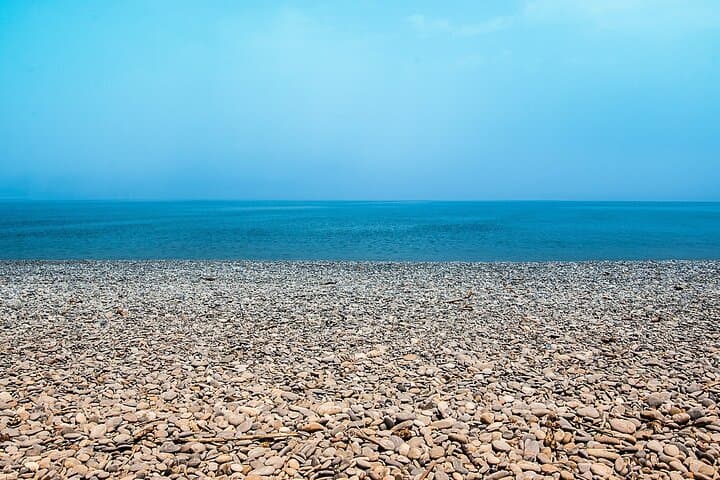
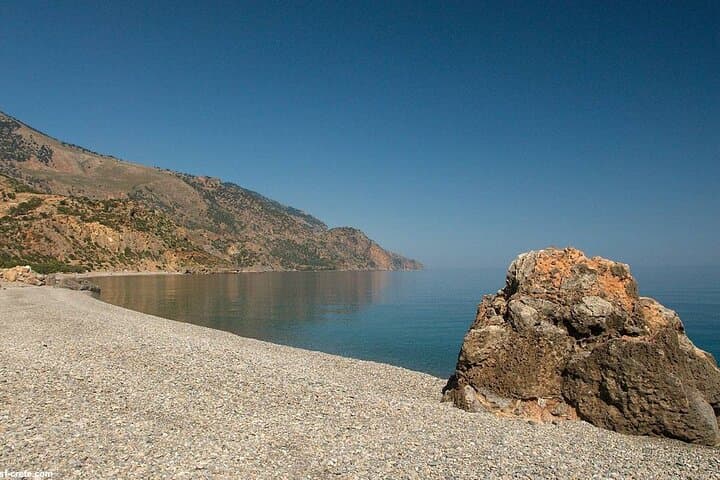
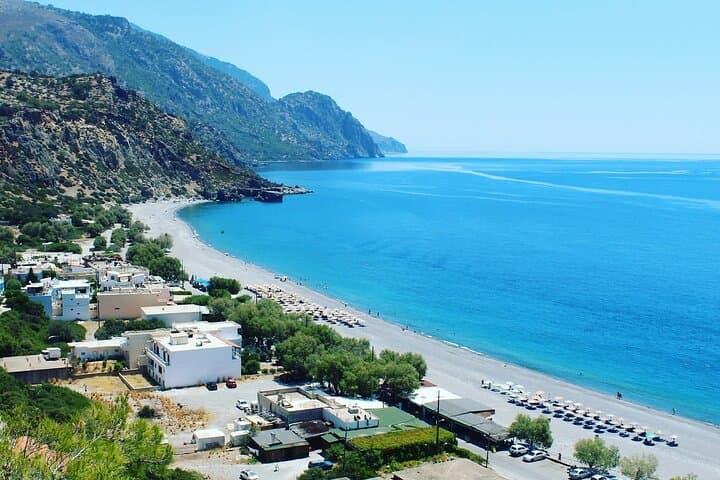
Sougia has a wide pebble beach with sunbeds, umbrellas, showers, changing rooms, and several tavernas within a short walk of the shore.
The gorge served as a traditional shepherd and mule route linking inland pastures of the White Mountains to coastal villages; stone walls and fountains trace that pastoral past.
This area hosts endemic plants and fragile karst terrain—follow leave-no-trace practices, avoid picking herbs, and use marked paths to reduce erosion.
MOYSIDIS TRAVEL operates guided outdoor trips and adventures with an emphasis on safety, stewardship, and memorable experiences.
A cool shadow falls across the path as plane trees and pines close ranks above you; the air smells of crushed herbs and the White Mountains press behind like an old map. The Agia Irini Gorge cuts a green seam through Crete’s western flank, a walkable spine of springs and low waterfalls that leads down toward the pebble sweep of Sougia Bay where the sea waits, rhythmic and indifferent.
A cool shadow falls across the path as plane trees and pines close ranks above you; the air smells of crushed herbs and the White Mountains press behind like an old map. The Agia Irini Gorge cuts a green seam through Crete’s western flank, a walkable spine of springs and low waterfalls that leads down toward the pebble sweep of Sougia Bay where the sea waits, rhythmic and indifferent.
Geology here is readable: limestone carved by seasonal streams, terraces of scree and stone walls built by past shepherds. The gorge route follows old mule tracks once used to move sheep between summer pastures and coastal villages; tiny chapels and stone fountains still mark those human rhythms. Sougia itself was a low-key fishing village that kept a steady, coastal pace while the mountains hosted shepherd cultures for centuries.
Practical guidance is straightforward. The full route is about 8 km and typically takes roughly 3 hours of walking (maximum elevation change ~500 m), with the entire private tour running 6–7 hours including transfers and stops. Trails are mostly well-defined and shaded, with spring-fed water available at points along the way, and small cafes at the gorge entrance and exit. Footwear should be sturdy for loose rock; start early in summer to avoid midday heat and save time for a post-hike swim on Sougia’s broad pebble shore. Respect fragile flora, carry out trash, and keep electronic signal expectations modest—the mountains still favor silence over service.