THE ADVENTURE COLLECTIVE® · Independent discovery and booking for outdoor travel

Trace two sides of Tokyo in one walk: Sugamo’s practical, elder-focused streets and Harajuku’s high-energy fashion lanes. This guided route combines tram rides, temple rituals, and street-style discoveries over roughly 3–3.5 hours.
Trace two sides of Tokyo in one walk: Sugamo’s practical, elder-focused streets and Harajuku’s high-energy fashion lanes. This guided route combines tram rides, temple rituals, and street-style discoveries over roughly 3–3.5 hours.
You start by the Kanda River with the city’s pulse low and steady—water cutting a cool line through concrete, daring you to slow down and look closely.
Verified experiences and guided adventures in the surrounding area.
Operated by InsideOutJapan · Tokyo, Tokyo
You start by the Kanda River with the city’s pulse low and steady—water cutting a cool line through concrete, daring you to slow down and look closely.
From there the tour carries you onto the Tokyo Sakura Tram, the last streetcar line threading a quieter corner of the metropolis. Riding the tram feels like stepping back: low platforms, neighborhoods that remember the Showa era, and trees that punctuate the route with seasonal color.
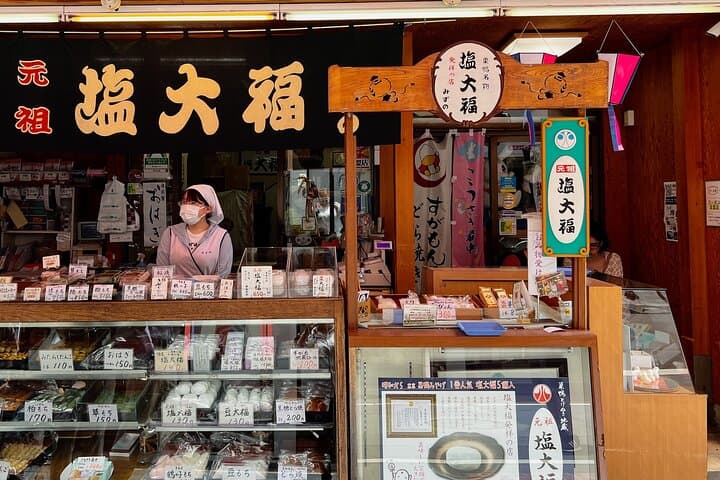
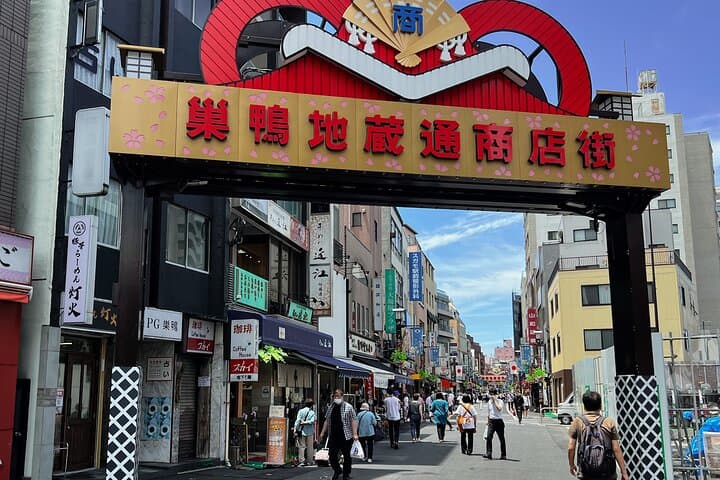
Sugamo unfolds as a practical celebration of age: Jizo-dori’s shops sell red goods believed to bring vitality, and Koganji Temple invites hands to pour water over the Togenuki Jizo statue in a ritual of small healing gestures. This part of Tokyo preserves a living, local culture tied to everyday well-being and community rhythms.
Harajuku is the reverse beat—an urban stage for youth style and experimental retail. Takeshita Street delivers sensory spikes: neon textiles, street snacks, and a constant churn of fashion that feels improvised and deliberate at once. Architectural highlights on Omotesando show how high fashion shapes the streetscape.
Practical guidance: expect about 3–3.5 hours on sidewalks and tram platforms with frequent stops; moderate fitness for standing and walking. Wear supportive shoes, carry water, and bring a compact umbrella—tours run rain or shine. Mornings are calmer in Sugamo; afternoons bring Harajuku’s crowds. Keep cash for small shops and try local snacks to taste the neighborhoods’ character. This walk pairs cultural curiosity with urban energy—accessible, tactile, and rooted in Tokyo’s everyday life.
moderate.
3–3.5 hours.
Moderate—able to walk continuously with short standing stops and manage stairs at tram stops.
The tour is about 3–3.5 hours with continuous walking on flat urban sidewalks, short stair sections at tram stops, and frequent stops for sights.
The tour is not recommended for those with serious spinal or mobility limitations; tram platforms and some streets may require stair use.
An English or Italian-speaking storyteller/guide is included with the tour.
Yes—the walking tour continues rain or shine, so bring weather-appropriate clothing; cancellations for weather are not standard.
Sugamo grew as a neighborhood-serving corridor in the early 20th century and preserved community shops; Harajuku evolved after WWII into a fashion and youth-culture district shaped by nearby schools and boulevards.
Respect local temples and shops by minimizing noise and litter; favor refillable bottles and avoid single-use plastics to reduce urban waste.
InsideOutJapan operates guided outdoor trips and adventures with an emphasis on safety, stewardship, and memorable experiences.

You start by the Kanda River with the city’s pulse low and steady—water cutting a cool line through concrete, daring you to slow down and look closely.
You start by the Kanda River with the city’s pulse low and steady—water cutting a cool line through concrete, daring you to slow down and look closely.
From there the tour carries you onto the Tokyo Sakura Tram, the last streetcar line threading a quieter corner of the metropolis. Riding the tram feels like stepping back: low platforms, neighborhoods that remember the Showa era, and trees that punctuate the route with seasonal color.
Sugamo unfolds as a practical celebration of age: Jizo-dori’s shops sell red goods believed to bring vitality, and Koganji Temple invites hands to pour water over the Togenuki Jizo statue in a ritual of small healing gestures. This part of Tokyo preserves a living, local culture tied to everyday well-being and community rhythms.
Harajuku is the reverse beat—an urban stage for youth style and experimental retail. Takeshita Street delivers sensory spikes: neon textiles, street snacks, and a constant churn of fashion that feels improvised and deliberate at once. Architectural highlights on Omotesando show how high fashion shapes the streetscape.
Practical guidance: expect about 3–3.5 hours on sidewalks and tram platforms with frequent stops; moderate fitness for standing and walking. Wear supportive shoes, carry water, and bring a compact umbrella—tours run rain or shine. Mornings are calmer in Sugamo; afternoons bring Harajuku’s crowds. Keep cash for small shops and try local snacks to taste the neighborhoods’ character. This walk pairs cultural curiosity with urban energy—accessible, tactile, and rooted in Tokyo’s everyday life.