THE ADVENTURE COLLECTIVE® · Independent discovery and booking for outdoor travel

Swap Marrakech’s medina bustle for the stark, rocky sweep of the Agafay Desert. This evening combo pairs an adrenaline-fueled quad ride with a gentle camel trek and lantern-lit Moroccan dinner—ideal for sunset photographers and travelers short on time.
Swap Marrakech’s medina bustle for the stark, rocky sweep of the Agafay Desert. This evening combo pairs an adrenaline-fueled quad ride with a gentle camel trek and lantern-lit Moroccan dinner—ideal for sunset photographers and travelers short on time.
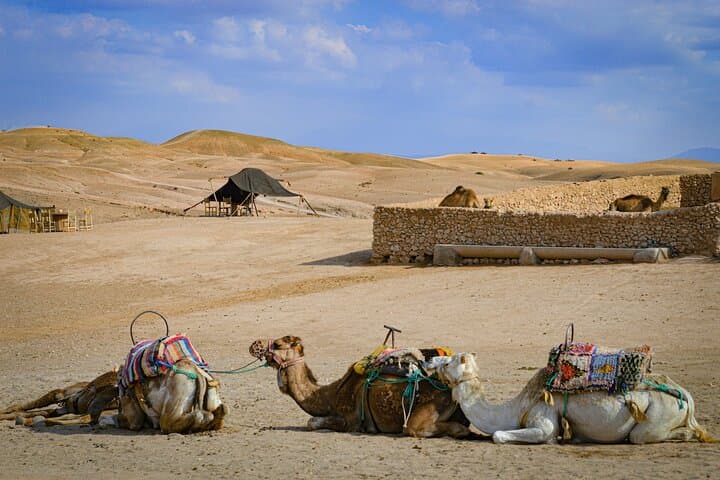
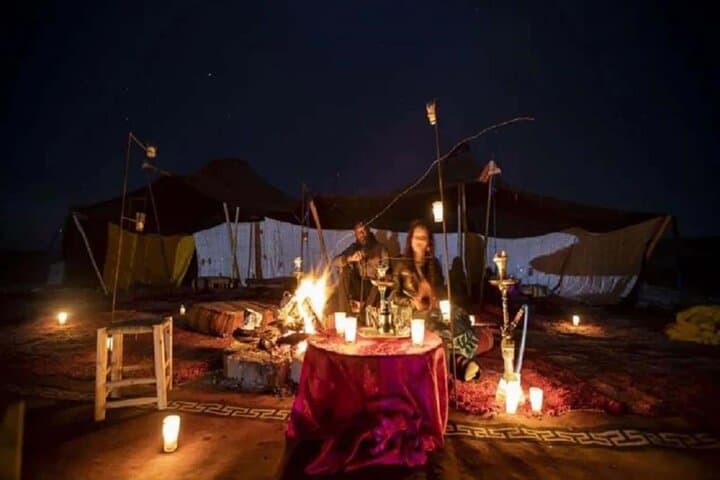
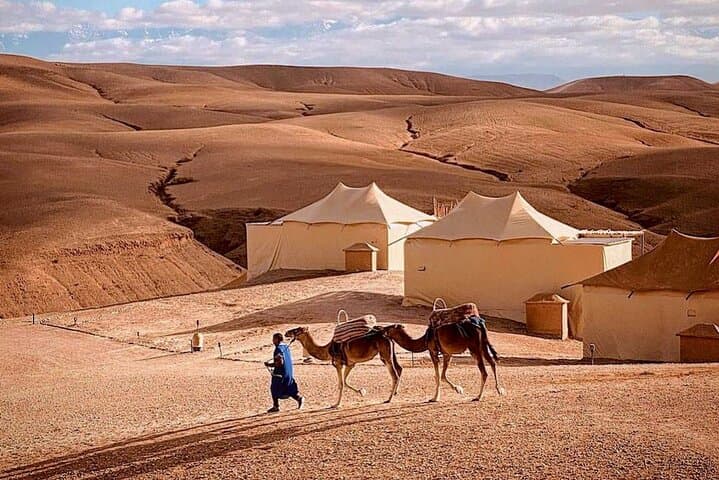
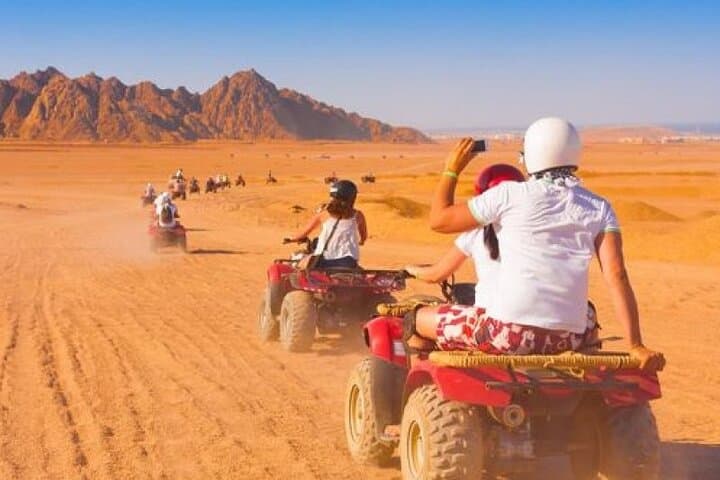
Dust rises in the low light as the convoy leaves Marrakech; the city’s mosaic roofs recede and the stony Agafay plateau opens like an unpaved ocean. Quads churn across hard-packed hummocks, sending pebbles skittering while the Atlas Mountains darken on the horizon. Later, the group slows to a camel’s rhythm—swaying, patient—each step a deliberate echo across the rocks as the sun lowers and lanterns begin to glow at the desert camp.
Verified experiences and guided adventures in the surrounding area.
Operated by Samlali Adventour · Marrakech, Marrakech-Safi
Dust rises in the low light as the convoy leaves Marrakech; the city’s mosaic roofs recede and the stony Agafay plateau opens like an unpaved ocean. Quads churn across hard-packed hummocks, sending pebbles skittering while the Atlas Mountains darken on the horizon. Later, the group slows to a camel’s rhythm—swaying, patient—each step a deliberate echo across the rocks as the sun lowers and lanterns begin to glow at the desert camp.
Agafay is not a sandy Sahara: it’s a lunar, rocky landscape shaped by erosion and ancient riverbeds, historically used by nomads and seasonal herders. The plain sits at the foothills of the High Atlas and offers clear sightlines to the mountain ridges that shepherd weather systems into Marrakech. Cultural touches—gnawa rhythms, mint tea by the fire, and a fire-dancer’s flare—reflect local hospitality and the region’s melding of Berber and Arab influences.
Practical guidance: expect a 5–6 hour evening excursion with hotel pickup in Marrakech; ride and camel segments are beginner-friendly but require mobility and balance. Wear closed shoes for quad riding and bring a light jacket—temperatures drop quickly after sunset. Cameras are a must for golden-hour panoramas, but secure straps during quad sections. Hydrate before departure and follow guides’ safety briefings: helmets and goggles are provided, and the camp dinner includes traditional Moroccan dishes and live music.
This combination tour balances adrenaline and calm—engine rumble, then quiet under stars—making Agafay accessible for travelers wanting an efficient desert evening without long transfers to the Sahara.
moderate.
5–6 hours.
Suitable for travelers in light to moderate fitness; requires ability to mount a camel and handle short bursts of quad activity.
Pickup from central Marrakech typically involves a 30–45 minute drive to the Agafay plateau, depending on your riad’s location and traffic.
No prior experience is required; guides provide a safety briefing and quads are suitable for beginners, though basic coordination helps.
Camel treks are gentle and short—guides assist mounting and dismounting; those with severe back or mobility issues should advise the operator in advance.
Yes, the tour includes a traditional Moroccan dinner, mint tea, and typically soft drinks; alcohol availability varies by operator.
Agafay’s rocky plain was historically grazing land and a low-traffic corridor below the High Atlas rather than a sand sea—its modern popularity grew with nearby Marrakech’s tourism expansion.
Motorized tours concentrate on established tracks to limit erosion; visitors are encouraged to pack out waste, use local guides, and avoid disturbing wildlife.
Samlali Adventour operates guided outdoor trips and adventures with an emphasis on safety, stewardship, and memorable experiences.
Dust rises in the low light as the convoy leaves Marrakech; the city’s mosaic roofs recede and the stony Agafay plateau opens like an unpaved ocean. Quads churn across hard-packed hummocks, sending pebbles skittering while the Atlas Mountains darken on the horizon. Later, the group slows to a camel’s rhythm—swaying, patient—each step a deliberate echo across the rocks as the sun lowers and lanterns begin to glow at the desert camp.
Dust rises in the low light as the convoy leaves Marrakech; the city’s mosaic roofs recede and the stony Agafay plateau opens like an unpaved ocean. Quads churn across hard-packed hummocks, sending pebbles skittering while the Atlas Mountains darken on the horizon. Later, the group slows to a camel’s rhythm—swaying, patient—each step a deliberate echo across the rocks as the sun lowers and lanterns begin to glow at the desert camp.
Agafay is not a sandy Sahara: it’s a lunar, rocky landscape shaped by erosion and ancient riverbeds, historically used by nomads and seasonal herders. The plain sits at the foothills of the High Atlas and offers clear sightlines to the mountain ridges that shepherd weather systems into Marrakech. Cultural touches—gnawa rhythms, mint tea by the fire, and a fire-dancer’s flare—reflect local hospitality and the region’s melding of Berber and Arab influences.
Practical guidance: expect a 5–6 hour evening excursion with hotel pickup in Marrakech; ride and camel segments are beginner-friendly but require mobility and balance. Wear closed shoes for quad riding and bring a light jacket—temperatures drop quickly after sunset. Cameras are a must for golden-hour panoramas, but secure straps during quad sections. Hydrate before departure and follow guides’ safety briefings: helmets and goggles are provided, and the camp dinner includes traditional Moroccan dishes and live music.
This combination tour balances adrenaline and calm—engine rumble, then quiet under stars—making Agafay accessible for travelers wanting an efficient desert evening without long transfers to the Sahara.