THE ADVENTURE COLLECTIVE® · Independent discovery and booking for outdoor travel

Drive less than an hour from Marrakech to the rocky Agafay Desert for a half‑day experience that pairs a sunset camel ride with mint tea under a nomad tent. Ideal for travelers short on time who still want an evocative desert evening.
Drive less than an hour from Marrakech to the rocky Agafay Desert for a half‑day experience that pairs a sunset camel ride with mint tea under a nomad tent. Ideal for travelers short on time who still want an evocative desert evening.
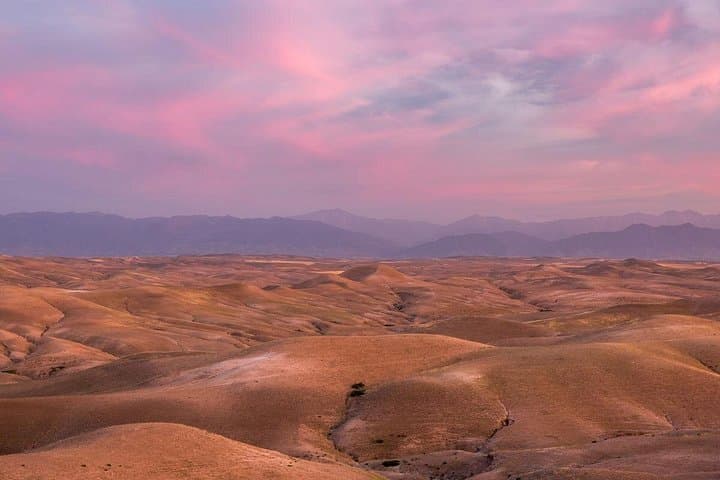
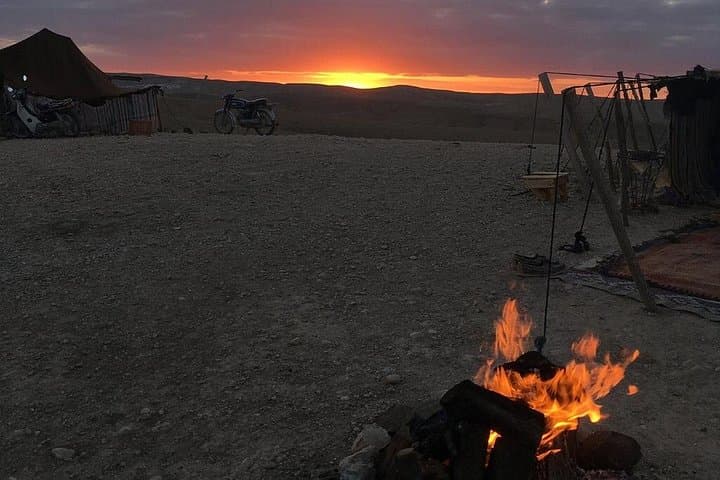
The sun leans toward the High Atlas and the Agafay’s stony plains flare into color: pale bone rock, ochre ridges and shadows that stretch like ink across the ground. Riders set off from Marrakech in an air‑conditioned vehicle, trading city heat for an arid landscape where the horizon reads like an old map and camels pick their own slow rhythm.
Verified experiences and guided adventures in the surrounding area.
Operated by Toubkal Guide · Marrakech, Marrakesh-Safi
The sun leans toward the High Atlas and the Agafay’s stony plains flare into color: pale bone rock, ochre ridges and shadows that stretch like ink across the ground. Riders set off from Marrakech in an air‑conditioned vehicle, trading city heat for an arid landscape where the horizon reads like an old map and camels pick their own slow rhythm.
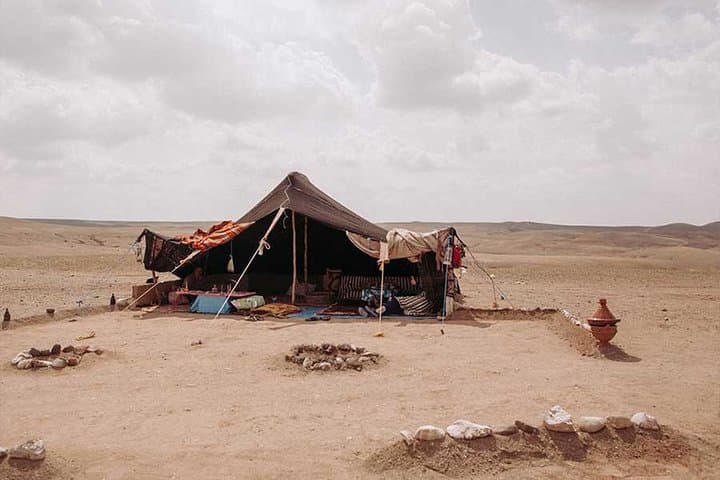
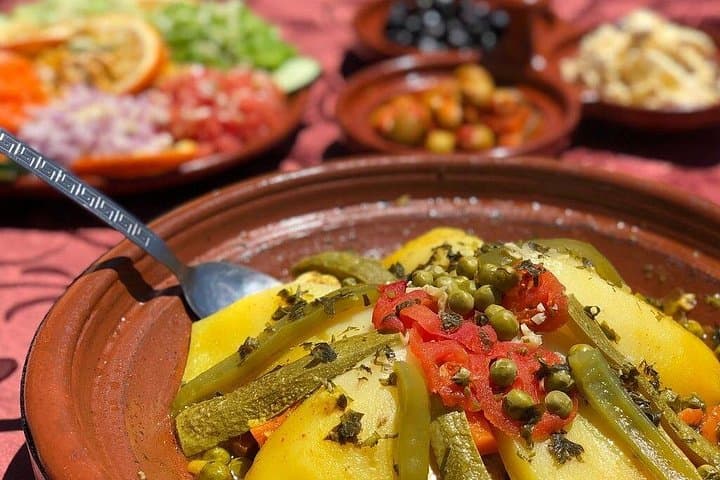
Geology here is not sand but reg: compacted gravel and stones shaped by wind and seasonal rains, with the High Atlas sharp on the skyline — sometimes dusted with snow in winter. The area has long supported semi‑nomadic livelihoods; today small camps and eco‑lodges provide a staged desert experience within easy reach of the city, and mint tea under a tent is as much a local custom as a comfort.
Expect a relaxed, three‑hour outing: a short walk across the rocky surface, an optional 30–45 minute camel ride timed for sunset, and a brief cultural stop for tea and photos. Guides distribute traditional shesh turbans to shield faces and help frame the light for photos. Wildlife is sparse but present — lizards, raptors and the occasional desert fox at dusk.
Practical notes: plan for strong sun and sharp evening temperature shifts, bring sturdy shoes for loose stone, and keep water close; the camel saddle is slow and steady but can jar unprepared riders. The tour’s timing focuses on golden hour, returning to Marrakech by nightfall, making it an efficient way to taste Morocco’s desert mood without an overnight commitment.
easy.
3 hours.
Suitable for most fitness levels; participants should be able to mount a camel and walk short, uneven terrain.
The drive is typically 30–60 minutes depending on traffic and the specific meeting point in Marrakech.
Yes — rides are generally short and slow; operators provide assistance mounting and dismounting, but note individual mobility limits.
No — Agafay is a stony reg with gravel plains and rocky hills rather than large sand dunes.
Most tours include hotel pickup and drop‑off in central Marrakech; confirm the pickup point when booking.
Agafay sits on a rocky plateau historically used for seasonal grazing and trade routes linking Marrakech to Atlas communities; its ‘desert’ character stems from aridity rather than dunes.
Avoid trampling fragile vegetation and stick to established paths; local camps manage water carefully and visitors should minimize single‑use plastics.
Toubkal Guide operates guided outdoor trips and adventures with an emphasis on safety, stewardship, and memorable experiences.
The sun leans toward the High Atlas and the Agafay’s stony plains flare into color: pale bone rock, ochre ridges and shadows that stretch like ink across the ground. Riders set off from Marrakech in an air‑conditioned vehicle, trading city heat for an arid landscape where the horizon reads like an old map and camels pick their own slow rhythm.
The sun leans toward the High Atlas and the Agafay’s stony plains flare into color: pale bone rock, ochre ridges and shadows that stretch like ink across the ground. Riders set off from Marrakech in an air‑conditioned vehicle, trading city heat for an arid landscape where the horizon reads like an old map and camels pick their own slow rhythm.
Geology here is not sand but reg: compacted gravel and stones shaped by wind and seasonal rains, with the High Atlas sharp on the skyline — sometimes dusted with snow in winter. The area has long supported semi‑nomadic livelihoods; today small camps and eco‑lodges provide a staged desert experience within easy reach of the city, and mint tea under a tent is as much a local custom as a comfort.
Expect a relaxed, three‑hour outing: a short walk across the rocky surface, an optional 30–45 minute camel ride timed for sunset, and a brief cultural stop for tea and photos. Guides distribute traditional shesh turbans to shield faces and help frame the light for photos. Wildlife is sparse but present — lizards, raptors and the occasional desert fox at dusk.
Practical notes: plan for strong sun and sharp evening temperature shifts, bring sturdy shoes for loose stone, and keep water close; the camel saddle is slow and steady but can jar unprepared riders. The tour’s timing focuses on golden hour, returning to Marrakech by nightfall, making it an efficient way to taste Morocco’s desert mood without an overnight commitment.