THE ADVENTURE COLLECTIVE® · Independent discovery and booking for outdoor travel

Ride a camel across the rocky Agafay plain, watch a dramatic desert sunset, then settle under open sky for a traditional Moroccan dinner and live music. This short evening escape from Marrakech is sensory and accessible for most travelers.
Ride a camel across the rocky Agafay plain, watch a dramatic desert sunset, then settle under open sky for a traditional Moroccan dinner and live music. This short evening escape from Marrakech is sensory and accessible for most travelers.
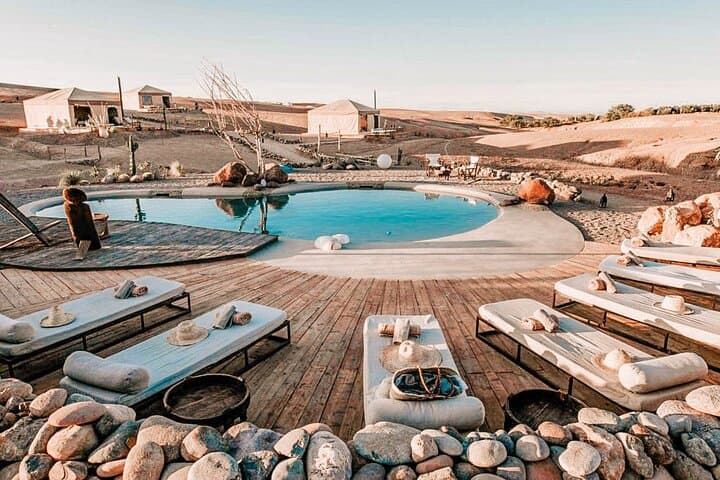
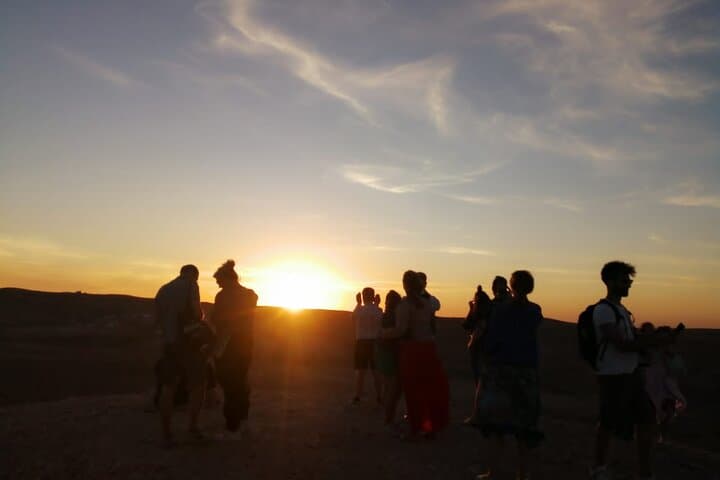
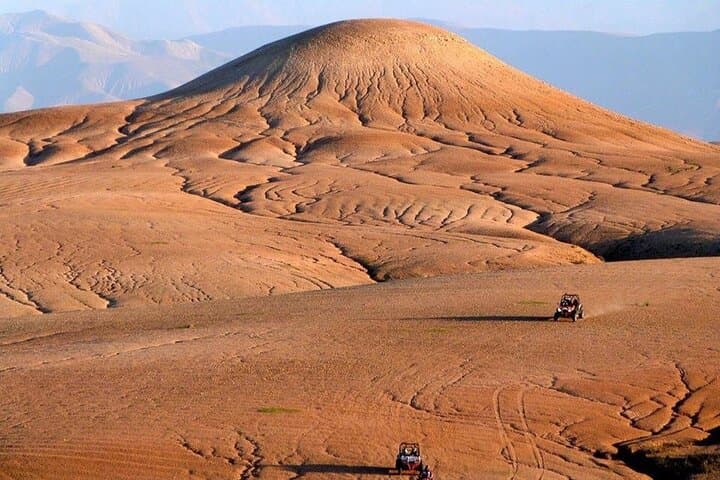
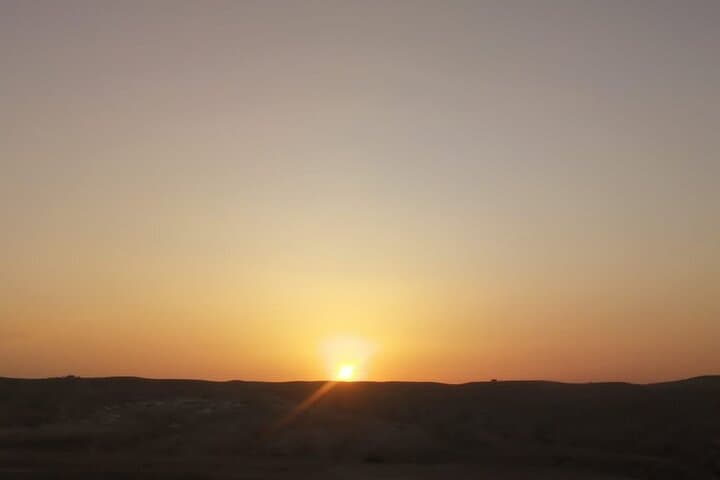
The last light drags across a stone desert that is more plain than sand — the Agafay’s surface presses cool beneath your boots as wind sketches bright streaks of ochre and gray. A column of camels moves slowly, their steps timed to a sky that shifts from honey to molten purple. By the time you arrive at the low‑walled camp, the calluses of the day have softened into the slow rhythm of music and smoke.
Verified experiences and guided adventures in the surrounding area.
Operated by Camel Ride in Marrakech - Morocco Camel Tours · Marrakech, Marrakech-Safi
The last light drags across a stone desert that is more plain than sand — the Agafay’s surface presses cool beneath your boots as wind sketches bright streaks of ochre and gray. A column of camels moves slowly, their steps timed to a sky that shifts from honey to molten purple. By the time you arrive at the low‑walled camp, the calluses of the day have softened into the slow rhythm of music and smoke.
Geology here is not Sahara dunes but a stony, rocky plateau formed by ancient fluvial deposits and wind‑polished granite; the landscape feels vast because it is open and unbroken. The region has long been a meeting place for Marrakech traders and Berber families who moved herds and traded salt and grain along these routes. Local musicians — Gnawa and Berber performers — bring oral history and rhythm to the evening, and dishes center on slow‑cooked tagines and flatbreads that reflect rural Moroccan cooking.
Practical side: the experience is low‑impact and physically easy but exposed. Expect uneven, sandy/rocky walking and a seated camel ride of short duration. Arrive with sun protection and warmed layers — desert temperatures can swing fast after sunset. Hydration is essential; bottled water is usually provided but bring a refillable bottle. Cameras will reward low sun and wide angles; try to arrive 20–30 minutes before sunset for best light.
This trip is ideal for travelers wanting a brief desert immersion without overnight camping — an accessible way to watch the Atlas foothills soften into evening while sampling regional food and music.
easy.
5 hours.
Suitable for most fitness levels; able to sit on a camel for short periods and walk short distances on rocky/sandy ground.
Most tours include private, air‑conditioned transfer from central Marrakech hotels; confirm your pickup point when booking.
Yes — rides are short and camels are led by experienced handlers; individuals with severe back problems, pregnancy, or heart issues are advised not to ride.
Many operators can adjust tagines and sides for vegetarian or common allergies if notified in advance—use the booking's special requirements field.
This product typically allows full refunds if canceled at least 24 hours before departure; check confirmation details for exact terms.
The Agafay is a stony desert used historically as grazing and transit land between Marrakech and Atlas communities; evening gatherings continue the region’s long social traditions.
Tour operators in the area generally encourage low‑impact visits—stay on established routes, take litter with you, and use provided water responsibly to limit strain on local supplies.
Camel Ride in Marrakech - Morocco Camel Tours operates guided outdoor trips and adventures with an emphasis on safety, stewardship, and memorable experiences.
The last light drags across a stone desert that is more plain than sand — the Agafay’s surface presses cool beneath your boots as wind sketches bright streaks of ochre and gray. A column of camels moves slowly, their steps timed to a sky that shifts from honey to molten purple. By the time you arrive at the low‑walled camp, the calluses of the day have softened into the slow rhythm of music and smoke.
The last light drags across a stone desert that is more plain than sand — the Agafay’s surface presses cool beneath your boots as wind sketches bright streaks of ochre and gray. A column of camels moves slowly, their steps timed to a sky that shifts from honey to molten purple. By the time you arrive at the low‑walled camp, the calluses of the day have softened into the slow rhythm of music and smoke.
Geology here is not Sahara dunes but a stony, rocky plateau formed by ancient fluvial deposits and wind‑polished granite; the landscape feels vast because it is open and unbroken. The region has long been a meeting place for Marrakech traders and Berber families who moved herds and traded salt and grain along these routes. Local musicians — Gnawa and Berber performers — bring oral history and rhythm to the evening, and dishes center on slow‑cooked tagines and flatbreads that reflect rural Moroccan cooking.
Practical side: the experience is low‑impact and physically easy but exposed. Expect uneven, sandy/rocky walking and a seated camel ride of short duration. Arrive with sun protection and warmed layers — desert temperatures can swing fast after sunset. Hydration is essential; bottled water is usually provided but bring a refillable bottle. Cameras will reward low sun and wide angles; try to arrive 20–30 minutes before sunset for best light.
This trip is ideal for travelers wanting a brief desert immersion without overnight camping — an accessible way to watch the Atlas foothills soften into evening while sampling regional food and music.