THE ADVENTURE COLLECTIVE® · Independent discovery and booking for outdoor travel

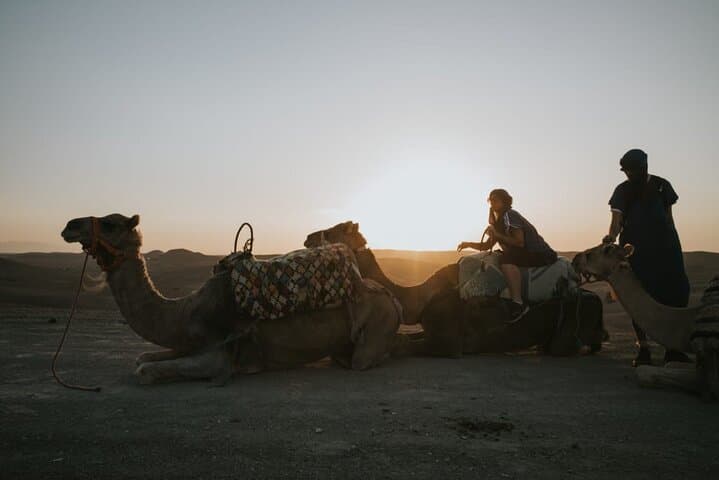
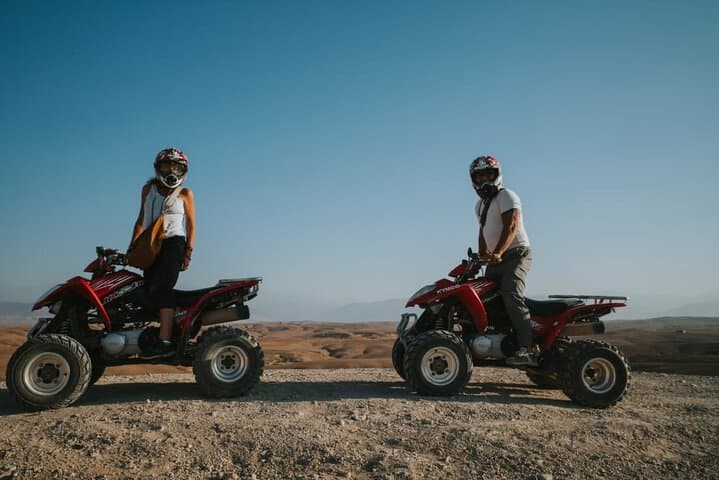
Drive an hour from Marrakech to the stony Agafay desert for a late-afternoon combo of quad biking, a sunset camel ride and dinner in a nomad-style tent. This half-day excursion pairs high-energy riding with calm desert vistas framed by the snow-capped High Atlas.
Drive an hour from Marrakech to the stony Agafay desert for a late-afternoon combo of quad biking, a sunset camel ride and dinner in a nomad-style tent. This half-day excursion pairs high-energy riding with calm desert vistas framed by the snow-capped High Atlas.
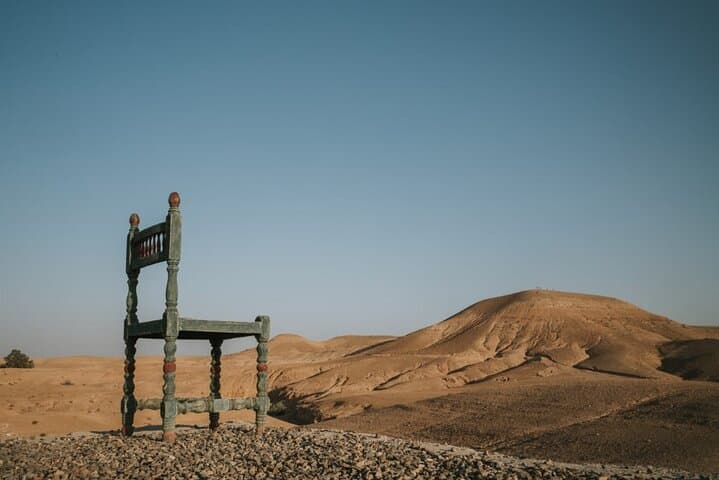
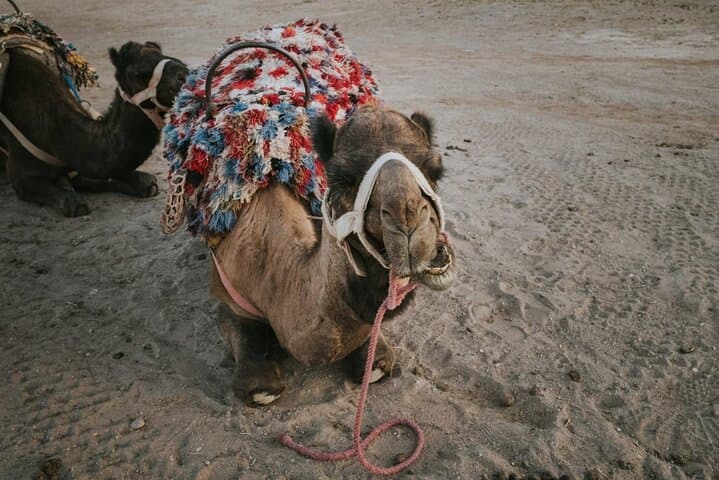
The sun sits low over a rocky plain; wind carries the dry scent of stone and thyme as your convoy eases off the tarmac and into the Agafay’s moon-like folds. Low ridges roll away toward the High Atlas, their snow-tips flirting with late light while ATV tracks stitch a temporary route across hard-packed sandstone. A camel’s slow rhythm contrasts the wind-driven pulse of a quad—two ways to read the landscape in one afternoon.
Verified experiences and guided adventures in the surrounding area.
Operated by Dream Voyage Touristique - Day Tours · Marrakech, Marrakesh-Safi
The sun sits low over a rocky plain; wind carries the dry scent of stone and thyme as your convoy eases off the tarmac and into the Agafay’s moon-like folds. Low ridges roll away toward the High Atlas, their snow-tips flirting with late light while ATV tracks stitch a temporary route across hard-packed sandstone. A camel’s slow rhythm contrasts the wind-driven pulse of a quad—two ways to read the landscape in one afternoon.
Geologically Agafay is a stony desert of metamorphic and sedimentary rock rather than sand dunes, formed where ancient riverbeds and tectonic uplift met the foothills of the High Atlas. Culturally, the area is on the edge of traditional Amazigh (Berber) lands; local camps offer a glimpse of hospitality with mint tea and tagine, and the region has doubled as a backdrop for film crews drawn to its unadorned vistas.
Expect easy walking on uneven ground, brief climbs for viewpoints, and the sensory contrast between engine noise and camel silence. Timing is everything: late afternoon light makes for the best photos and cooler weather. Guides typically provide helmets for ATVs, bottled water and a simple nomad-style dinner in a tent.
Practical tips: wear sturdy closed shoes, sun protection and a light layer for evening chill. If you’re sensitive to motion, schedule the camel ride first. Respect private camps and stay on marked routes to limit erosion. The Agafay is not Sahara sand, but its openness and fragile scrub demand the same leave-no-trace care—pack out what you bring in and keep the landscape whole for the next group.
moderate.
6–7 hours.
Suitable for people in average physical condition; quad biking and short walks require basic balance and mobility
About 45–60 minutes depending on traffic and your hotel’s location—most operators include hotel pick-up and drop-off.
No—guides provide safety briefings and helmets; rides are suitable for beginners who can handle basic vehicle controls.
Operators usually offer camels for all ages, but check with the provider for infant seats and inform them of mobility concerns in advance.
A communal, simplified Moroccan meal—often tagine and salads—served with mint tea; vegetarian options are usually available if requested.
Agafay sits at the foothills of the High Atlas and has long been a transit and grazing zone for local Amazigh communities; more recently it’s been used as a low-vegetation filming location.
The stone plains are fragile—stick to marked tracks to avoid erosion, and follow guides’ instructions about camp placement and waste removal to protect the sparse vegetation.
Dream Voyage Touristique - Day Tours operates guided outdoor trips and adventures with an emphasis on safety, stewardship, and memorable experiences.
The sun sits low over a rocky plain; wind carries the dry scent of stone and thyme as your convoy eases off the tarmac and into the Agafay’s moon-like folds. Low ridges roll away toward the High Atlas, their snow-tips flirting with late light while ATV tracks stitch a temporary route across hard-packed sandstone. A camel’s slow rhythm contrasts the wind-driven pulse of a quad—two ways to read the landscape in one afternoon.
The sun sits low over a rocky plain; wind carries the dry scent of stone and thyme as your convoy eases off the tarmac and into the Agafay’s moon-like folds. Low ridges roll away toward the High Atlas, their snow-tips flirting with late light while ATV tracks stitch a temporary route across hard-packed sandstone. A camel’s slow rhythm contrasts the wind-driven pulse of a quad—two ways to read the landscape in one afternoon.
Geologically Agafay is a stony desert of metamorphic and sedimentary rock rather than sand dunes, formed where ancient riverbeds and tectonic uplift met the foothills of the High Atlas. Culturally, the area is on the edge of traditional Amazigh (Berber) lands; local camps offer a glimpse of hospitality with mint tea and tagine, and the region has doubled as a backdrop for film crews drawn to its unadorned vistas.
Expect easy walking on uneven ground, brief climbs for viewpoints, and the sensory contrast between engine noise and camel silence. Timing is everything: late afternoon light makes for the best photos and cooler weather. Guides typically provide helmets for ATVs, bottled water and a simple nomad-style dinner in a tent.
Practical tips: wear sturdy closed shoes, sun protection and a light layer for evening chill. If you’re sensitive to motion, schedule the camel ride first. Respect private camps and stay on marked routes to limit erosion. The Agafay is not Sahara sand, but its openness and fragile scrub demand the same leave-no-trace care—pack out what you bring in and keep the landscape whole for the next group.