THE ADVENTURE COLLECTIVE® · Independent discovery and booking for outdoor travel

Trade Marrakech’s bustle for the raw, stony expanse of the Agafay Desert on a day trip that pairs a gentle camel ride with Atlas foothill views and a local tea. Expect sandstone plains, mud-built villages, and a clear, practical itinerary ideal for first-time desert-goers.
Trade Marrakech’s bustle for the raw, stony expanse of the Agafay Desert on a day trip that pairs a gentle camel ride with Atlas foothill views and a local tea. Expect sandstone plains, mud-built villages, and a clear, practical itinerary ideal for first-time desert-goers.
Morning light hits the ochre plateau of the Agafay Desert and the world narrows to wind, stone, and the slow sway of a camel’s gait. You leave Marrakech’s ochre walls behind and drive into an expanse of stony plains and terraced foothills where sandstone outcrops catch the sun like stacked coins.
Verified experiences and guided adventures in the surrounding area.
Operated by Berber Paths · Marrakech, Marrakesh-Safi
Morning light hits the ochre plateau of the Agafay Desert and the world narrows to wind, stone, and the slow sway of a camel’s gait. You leave Marrakech’s ochre walls behind and drive into an expanse of stony plains and terraced foothills where sandstone outcrops catch the sun like stacked coins.
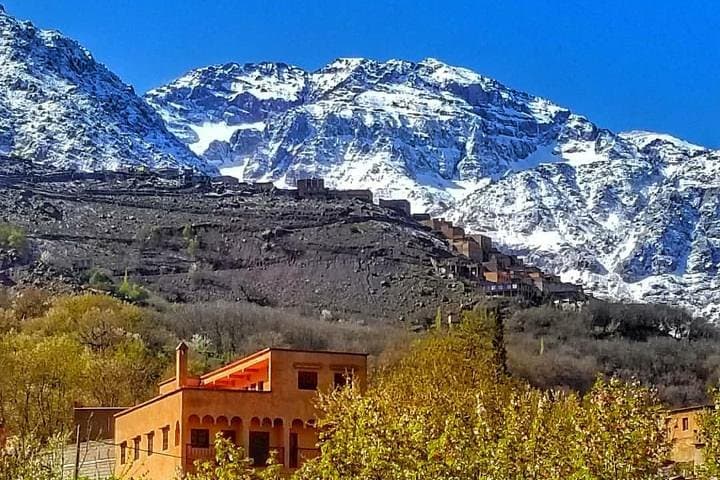
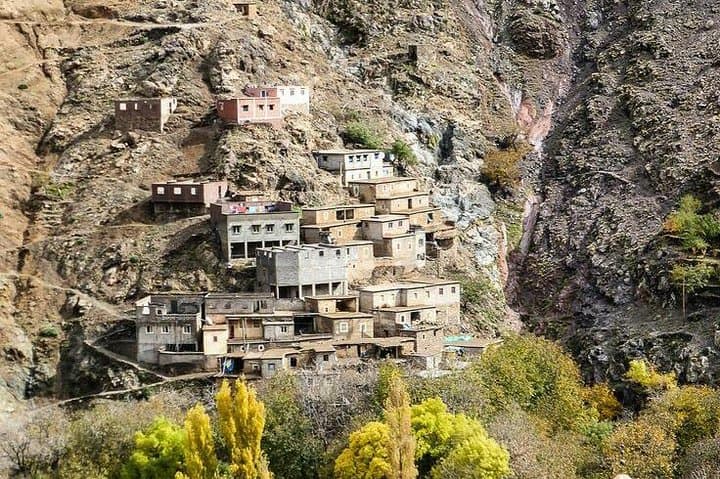
Geology here is hard-packed earth and broken limestone rather than dunes — a raw, compact desert carved by ancient rivers and seasonal run-off. The route threads past mud-built villages and dusty riverbeds that come alive with green in spring when pasture and almond trees push through the arid skin. This region sits at the edge of the High Atlas cultural corridor, where Berber communities have farmed and traded for centuries; a short tea with locals is as much about hospitality as history.
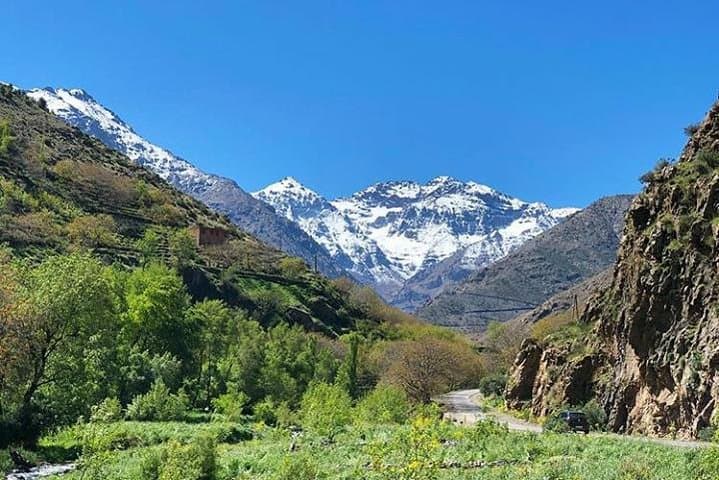
Expect wide views of the lower Atlas ridgelines and simple, tactile landscapes: scrub, slate, and terraces. Wildlife is spare but present — skylarks, larks, and the occasional desert fox leave their marks. The camel ride is low-impact and paced for sightlines rather than speed, making the experience accessible even for first-timers.
Practical notes: departures from Marrakech run about 45–60 minutes each way; bring sun protection, layered clothing for cool mornings and warm afternoons, and cash for local tea or market finds. Wear sturdy shoes for walking around camps or villages and reserve at least half a day to absorb the light and the quiet textures of Agafay.
moderate.
8 hours.
Suitable for travelers with moderate fitness — short walks and a seated camel ride, plus vehicle transfers.
The transfer typically takes 45–60 minutes each way depending on traffic and your pickup point in Marrakech.
Yes—camel rides provided are paced and short; however, those with mobility issues should check vehicle and mount accessibility beforehand.
Light, breathable layers, sun protection, and closed-toe shoes are recommended; bring a windproof layer for early mornings.
This tour includes breakfast, lunch, bottled water, and tea during the visit, as listed by the operator.
Agafay sits on an earthen plateau used historically as grazing land and a transit area between Marrakech and the Atlas communities; local Berber villages maintain many traditional practices.
The rocky desert is fragile; stick to established tracks, avoid littering, and support local guides who prioritize low-impact visits.
Berber Paths operates guided outdoor trips and adventures with an emphasis on safety, stewardship, and memorable experiences.
Morning light hits the ochre plateau of the Agafay Desert and the world narrows to wind, stone, and the slow sway of a camel’s gait. You leave Marrakech’s ochre walls behind and drive into an expanse of stony plains and terraced foothills where sandstone outcrops catch the sun like stacked coins.
Morning light hits the ochre plateau of the Agafay Desert and the world narrows to wind, stone, and the slow sway of a camel’s gait. You leave Marrakech’s ochre walls behind and drive into an expanse of stony plains and terraced foothills where sandstone outcrops catch the sun like stacked coins.
Geology here is hard-packed earth and broken limestone rather than dunes — a raw, compact desert carved by ancient rivers and seasonal run-off. The route threads past mud-built villages and dusty riverbeds that come alive with green in spring when pasture and almond trees push through the arid skin. This region sits at the edge of the High Atlas cultural corridor, where Berber communities have farmed and traded for centuries; a short tea with locals is as much about hospitality as history.
Expect wide views of the lower Atlas ridgelines and simple, tactile landscapes: scrub, slate, and terraces. Wildlife is spare but present — skylarks, larks, and the occasional desert fox leave their marks. The camel ride is low-impact and paced for sightlines rather than speed, making the experience accessible even for first-timers.
Practical notes: departures from Marrakech run about 45–60 minutes each way; bring sun protection, layered clothing for cool mornings and warm afternoons, and cash for local tea or market finds. Wear sturdy shoes for walking around camps or villages and reserve at least half a day to absorb the light and the quiet textures of Agafay.