THE ADVENTURE COLLECTIVE® · Independent discovery and booking for outdoor travel

Swap Marrakech traffic for the deliberate rhythm of a camel’s gait and a rocky plain that glows at sunset. This easy, five-hour excursion combines a one-hour camel trek, tea in a Berber tent and a shared sunset dinner under the Jbilets.
Swap Marrakech traffic for the deliberate rhythm of a camel’s gait and a rocky plain that glows at sunset. This easy, five-hour excursion combines a one-hour camel trek, tea in a Berber tent and a shared sunset dinner under the Jbilets.
Sunlight thins to gold across a stony plain as Marrakech recedes behind the air-conditioned van; the Agafay Desert stretches like a worked canvas of pale rocks and low scrub, the High Atlas a blue ridge to the south. Riders swap city noise for the slow sway of camels, the animals' deliberate steps punctuating a wide, open quiet.
Verified experiences and guided adventures in the surrounding area.
Operated by Atlas Excursion Tours · Marrakech, Marrakech-Safi
Sunlight thins to gold across a stony plain as Marrakech recedes behind the air-conditioned van; the Agafay Desert stretches like a worked canvas of pale rocks and low scrub, the High Atlas a blue ridge to the south. Riders swap city noise for the slow sway of camels, the animals' deliberate steps punctuating a wide, open quiet.
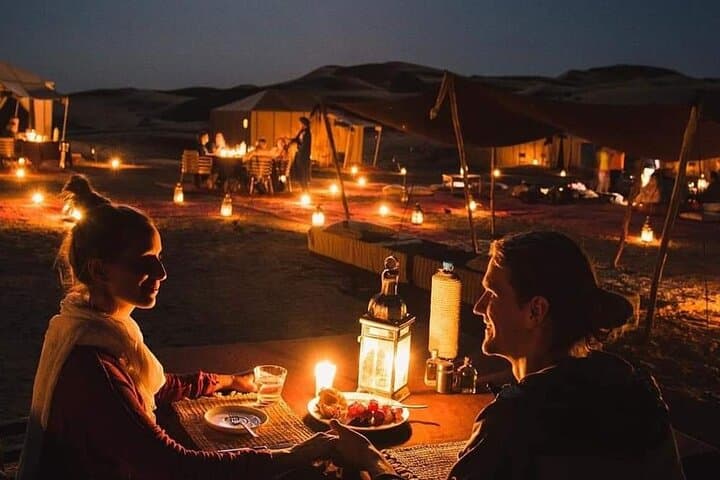
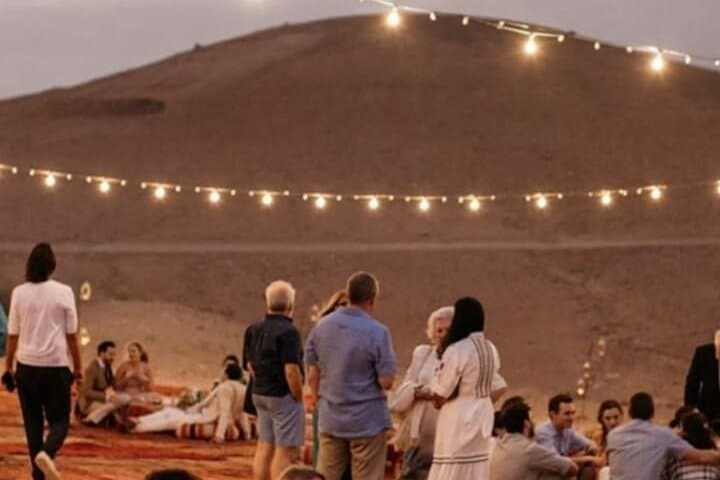
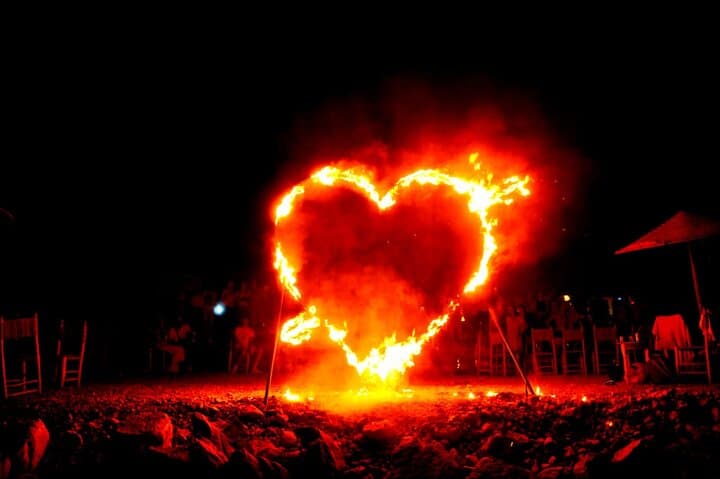
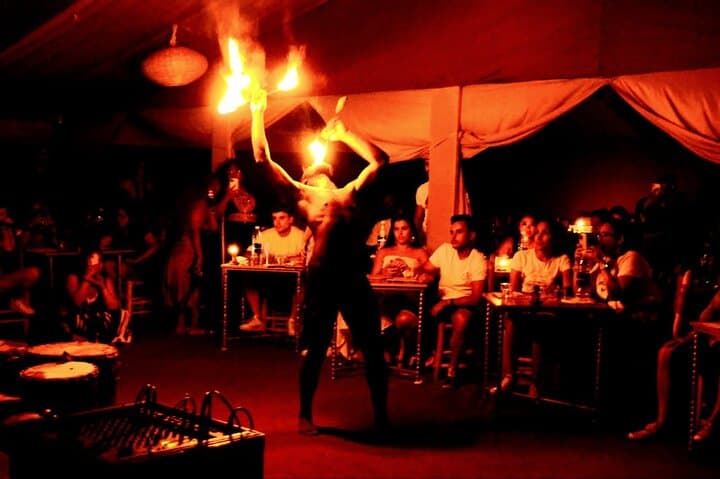
Unlike the Sahara's dunes, Agafay is a hamra of hard-packed stone and scattered talus carved from weathered bedrock; small Jbilets outcrops rise like islands and offer panoramic views over palm groves and fields that fringe the basin. Berber communities have traversed these routes for generations, and contemporary evening camps blend local foodways—mint tea, Moroccan salad, tagine—with staged music and storytelling for visitors.
Expect an easy one-hour camel trek across variable terrain: hard-packed tracks, occasional loose scree and low rises reached for sunset photos. Timing matters—late afternoon light cools the stones and delivers the most striking color contrast against the Atlas. Guides set up a simple tent for tea and a shared dinner; most guests dismount for short walks at viewpoint points.
Practical notes: wear closed shoes with ankle support, bring layered clothing for temperature swings, and carry water and sun protection. Cameras with zoom perform well for distant peaks and camp details. If you prefer quieter, ask guides for a less theatrical tent and confirm camel welfare practices beforehand.
Arrive prepared to tip guides, check cancellation policies, and expect a five-hour round trip including transport from central Marrakech at times of year.
easy.
5 hours.
Light — able to mount a camel and walk short distances; suitable for most fitness levels
The camel portion is approximately one hour, embedded in a five-hour excursion that includes transport, tea and dinner.
Typical transfer time is 35–50 minutes by air-conditioned vehicle depending on traffic and pickup location.
Yes—this is an easy-paced activity, but it is not recommended for people with serious spinal, heart, or pregnancy-related restrictions.
Casual, comfortable clothing is fine; bring a light jacket for after sunset and closed shoes for the trek and tent area.
The Agafay plain is a stony erosional basin historically traversed by Berber groups as routes between Atlas foothills and arable plains; its rocky surface contrasts with nearby Saharan dunes.
This semi-arid landscape is sensitive to erosion and waste; stay on established tracks, pack out trash, and ask operators about responsible camel handling and local community benefits.
Atlas Excursion Tours operates guided outdoor trips and adventures with an emphasis on safety, stewardship, and memorable experiences.
Sunlight thins to gold across a stony plain as Marrakech recedes behind the air-conditioned van; the Agafay Desert stretches like a worked canvas of pale rocks and low scrub, the High Atlas a blue ridge to the south. Riders swap city noise for the slow sway of camels, the animals' deliberate steps punctuating a wide, open quiet.
Sunlight thins to gold across a stony plain as Marrakech recedes behind the air-conditioned van; the Agafay Desert stretches like a worked canvas of pale rocks and low scrub, the High Atlas a blue ridge to the south. Riders swap city noise for the slow sway of camels, the animals' deliberate steps punctuating a wide, open quiet.
Unlike the Sahara's dunes, Agafay is a hamra of hard-packed stone and scattered talus carved from weathered bedrock; small Jbilets outcrops rise like islands and offer panoramic views over palm groves and fields that fringe the basin. Berber communities have traversed these routes for generations, and contemporary evening camps blend local foodways—mint tea, Moroccan salad, tagine—with staged music and storytelling for visitors.
Expect an easy one-hour camel trek across variable terrain: hard-packed tracks, occasional loose scree and low rises reached for sunset photos. Timing matters—late afternoon light cools the stones and delivers the most striking color contrast against the Atlas. Guides set up a simple tent for tea and a shared dinner; most guests dismount for short walks at viewpoint points.
Practical notes: wear closed shoes with ankle support, bring layered clothing for temperature swings, and carry water and sun protection. Cameras with zoom perform well for distant peaks and camp details. If you prefer quieter, ask guides for a less theatrical tent and confirm camel welfare practices beforehand.
Arrive prepared to tip guides, check cancellation policies, and expect a five-hour round trip including transport from central Marrakech at times of year.