THE ADVENTURE COLLECTIVE® · Independent discovery and booking for outdoor travel

A compact day trip from Marrakech that pairs the stony Agafay desert with the foothills of the High Atlas—short walks, village visits, an argan cooperative and a managed camel ride make for an accessible, culture-rich outing.
A compact day trip from Marrakech that pairs the stony Agafay desert with the foothills of the High Atlas—short walks, village visits, an argan cooperative and a managed camel ride make for an accessible, culture-rich outing.
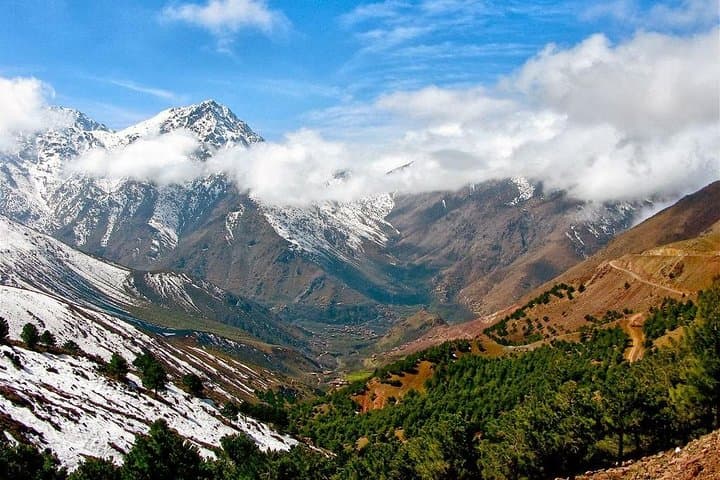
Dawn strips the ochre of Marrakech down to raw light as the minivan threads south toward the Agafay plains and the lower slopes of the High Atlas. Wind and stone set the tempo: the Agafay scarp dares you with smooth, pebble-strewn flats while the Atlas foothills push altitude into broken terraces and villages where doorways open to tea and conversation.
Verified experiences and guided adventures in the surrounding area.
Operated by Morocco Tours With Locals · Marrakech, Marrakech-Safi
Dawn strips the ochre of Marrakech down to raw light as the minivan threads south toward the Agafay plains and the lower slopes of the High Atlas. Wind and stone set the tempo: the Agafay scarp dares you with smooth, pebble-strewn flats while the Atlas foothills push altitude into broken terraces and villages where doorways open to tea and conversation.
Geology here is immediate—the Anti-Atlas and High Atlas are folded, ancient ranges of schist and limestone carved by glaciers and seasonal torrents. Culturally, the route passes a string of Berber villages where terraced fields, argan presses and women's cooperatives reflect centuries of mountain agriculture and artisanal life.
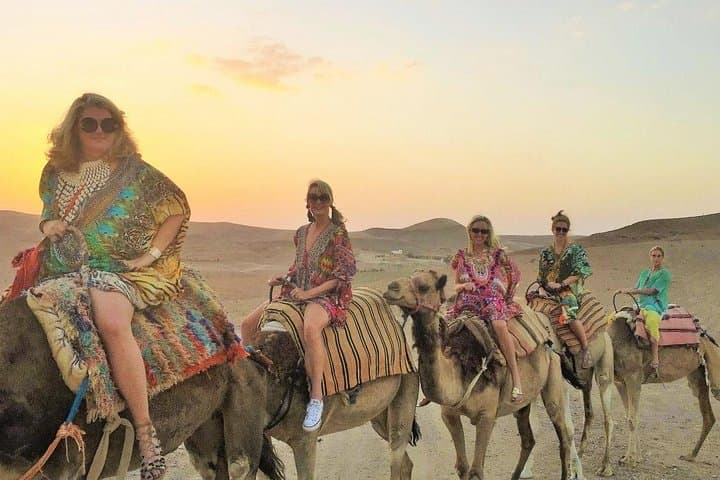
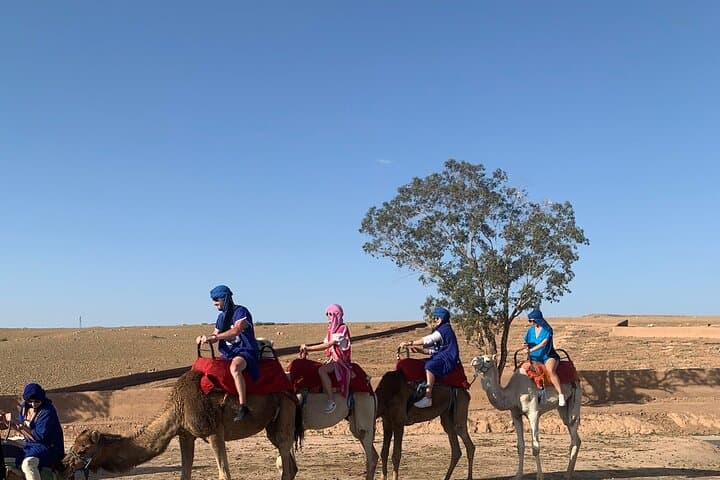
During the day you’ll stop for short walks in Imlil Valley, watch argan oil production, meet cooperative members and take a guided camel ride across the Agafay’s sandy flats. Locals often share mint tea; guides provide context on olive and barley cultivation and seasonal flower growth on the plateau.
Practical guidance: depart Marrakech mid‑morning and expect an 8‑hour round trip; bring sun protection, layered clothing and sturdy walking shoes for uneven village paths. Hydration is essential—bottled water is usually provided but carry an extra liter if you plan extra walks. Respect local customs—ask before photographing people and remove shoes when invited into homes. Camel rides are short and managed; those with back issues should avoid them.
Timing matters: morning light is best for photos; late afternoon brings cooler air for village strolls. The trip mixes easy walks with vehicle transfers—ideal for moderately fit travelers who want culture, landscape and straightforward logistics in a single day.
moderate.
6–8 hours.
Suitable for travelers with moderate fitness—short village walks and standing camel rides; expect some uneven terrain.
The tour is approximately 8 hours and typically departs from hotels or riads in Marrakech with round‑trip transport included.
Camel rides are short and supervised; children and most seniors can participate but anyone with back or neck issues should avoid riding.
Yes—breakfast, lunch and bottled water are included, though carrying extra water for long walks is recommended.
Many operators offer private options and can accommodate dietary restrictions if informed at booking—note any requirements in advance.
The High Atlas has been inhabited by Amazigh (Berber) communities for millennia; local cooperative networks for argan and crafts developed in response to agro‑pastoral livelihoods.
Argan trees and mountain terraces are under pressure from development and grazing; support local cooperatives and avoid disturbing fragile soils to reduce impact.
Morocco Tours With Locals operates guided outdoor trips and adventures with an emphasis on safety, stewardship, and memorable experiences.
Dawn strips the ochre of Marrakech down to raw light as the minivan threads south toward the Agafay plains and the lower slopes of the High Atlas. Wind and stone set the tempo: the Agafay scarp dares you with smooth, pebble-strewn flats while the Atlas foothills push altitude into broken terraces and villages where doorways open to tea and conversation.
Dawn strips the ochre of Marrakech down to raw light as the minivan threads south toward the Agafay plains and the lower slopes of the High Atlas. Wind and stone set the tempo: the Agafay scarp dares you with smooth, pebble-strewn flats while the Atlas foothills push altitude into broken terraces and villages where doorways open to tea and conversation.
Geology here is immediate—the Anti-Atlas and High Atlas are folded, ancient ranges of schist and limestone carved by glaciers and seasonal torrents. Culturally, the route passes a string of Berber villages where terraced fields, argan presses and women's cooperatives reflect centuries of mountain agriculture and artisanal life.
During the day you’ll stop for short walks in Imlil Valley, watch argan oil production, meet cooperative members and take a guided camel ride across the Agafay’s sandy flats. Locals often share mint tea; guides provide context on olive and barley cultivation and seasonal flower growth on the plateau.
Practical guidance: depart Marrakech mid‑morning and expect an 8‑hour round trip; bring sun protection, layered clothing and sturdy walking shoes for uneven village paths. Hydration is essential—bottled water is usually provided but carry an extra liter if you plan extra walks. Respect local customs—ask before photographing people and remove shoes when invited into homes. Camel rides are short and managed; those with back issues should avoid them.
Timing matters: morning light is best for photos; late afternoon brings cooler air for village strolls. The trip mixes easy walks with vehicle transfers—ideal for moderately fit travelers who want culture, landscape and straightforward logistics in a single day.