THE ADVENTURE COLLECTIVE® · Independent discovery and booking for outdoor travel

Leave Marrakech for a single day of contrasts: the irrigated valleys and villages of the High Atlas, a traditional Berber lunch in Tamatert, and the rocky, otherworldly Agafay plateau. This full-day trip mixes short hikes, cultural stops, and scenic drives—ideal for travelers who want mountain air without overnight logistics.
Leave Marrakech for a single day of contrasts: the irrigated valleys and villages of the High Atlas, a traditional Berber lunch in Tamatert, and the rocky, otherworldly Agafay plateau. This full-day trip mixes short hikes, cultural stops, and scenic drives—ideal for travelers who want mountain air without overnight logistics.
The day begins before the city heat builds: a van eases out of Marrakech and the palm groves thin into ochre plains, then a ribbon of road climbs toward the High Atlas. By midmorning you’re in Imlil Valley—air cooler, terraces stepping up the slopes, and a village guide waiting to shape a short hike that fits the group.
Verified experiences and guided adventures in the surrounding area.
Operated by Atlas Mountains Guided Tour · Marrakech, Marrakech-Safi
The day begins before the city heat builds: a van eases out of Marrakech and the palm groves thin into ochre plains, then a ribbon of road climbs toward the High Atlas. By midmorning you’re in Imlil Valley—air cooler, terraces stepping up the slopes, and a village guide waiting to shape a short hike that fits the group.
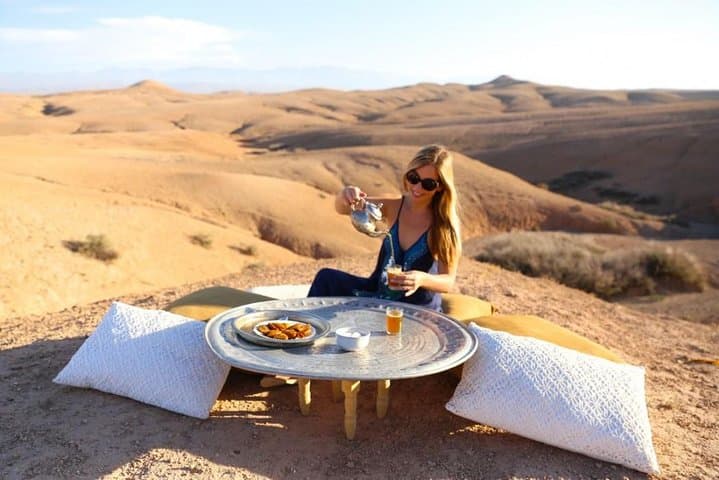
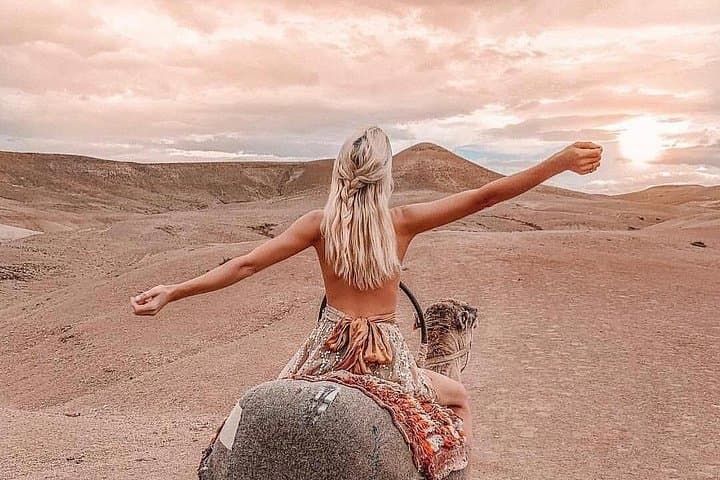
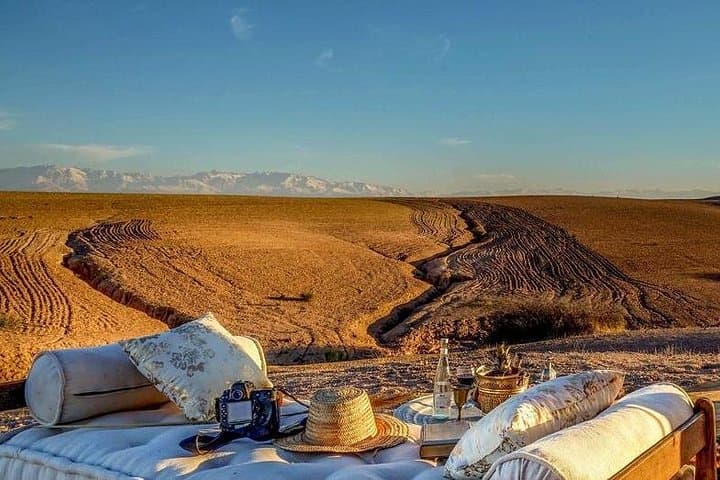
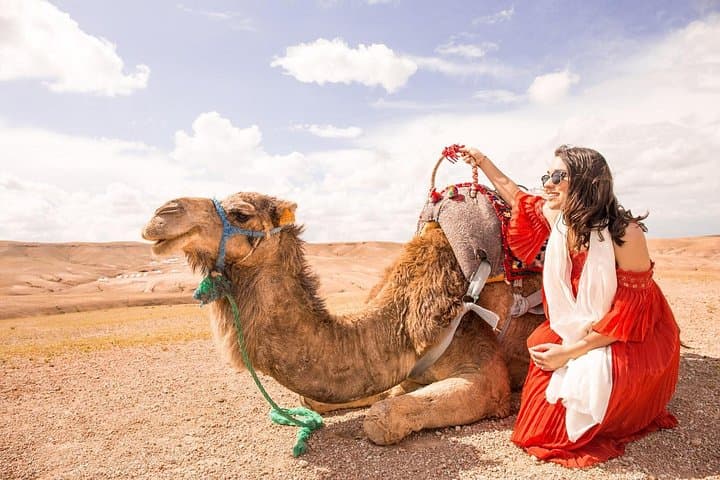
Geology here is blunt and honest: the Atlas is young uplifted rock, carved into gullies and cols by winter snowmelt. Agafay, by contrast, is a stony, wind-scoured plateau—no dunes but a raw, lunar openness of sandstone and packed earth that reads differently in each light.
Cultural notes ride with the landscape: villages are Berber (Amazigh) hamlets where irrigation channels and cherry trees mark long-lived agricultural practices. Lunch in a family home is practical hospitality—tagine, couscous and mint tea—served with the directness of rural life.
Expect a mix of gentle walking (1–2 hours in Imlil), vehicle transfers, and short photo stops in Tamatert and the Agafay Plateau. Terrain switches from packed dirt paths and stone track to paved roads and dusty tracks; shoes with grip, layered clothing, and sun protection matter. Bring water and a daypack; altitude is modest but cooler than Marrakech.
Timing matters—early starts avoid midday heat and give clearer mountain views. The route is straightforward and guide-led, so travelers can trade navigation for conversation and cultural context. It’s a compact day of contrasting landscapes: mountains that invite a slow step and a desert that demands attention.
moderate.
8 hours.
Suitable for travelers with a moderate level of fitness—able to walk 1–2 hours on uneven trails and handle short climbs.
Yes—this tour includes hotel pickup and drop-off in Marrakech; exact pickup time and location are confirmed at booking.
Walking is light to moderate: guides offer a 1–2 hour guided walk in Imlil with options to shorten or lengthen the route based on ability.
Yes—lunch with a Berber family is included, typically a salad or soup, tagine or couscous, dessert and tea or coffee.
Altitude is modest compared with alpine treks; however, some uphill walking on uneven surfaces is required—people with serious cardiovascular or spinal conditions should consult their doctor.
The High Atlas has been home to Amazigh (Berber) communities for centuries; terraced farming and dry stone construction reflect long-standing mountain livelihoods.
Water is scarce in the region—respect local irrigation systems and avoid wasting water; stick to trails to limit erosion on fragile slopes.
Atlas Mountains Guided Tour operates guided outdoor trips and adventures with an emphasis on safety, stewardship, and memorable experiences.
The day begins before the city heat builds: a van eases out of Marrakech and the palm groves thin into ochre plains, then a ribbon of road climbs toward the High Atlas. By midmorning you’re in Imlil Valley—air cooler, terraces stepping up the slopes, and a village guide waiting to shape a short hike that fits the group.
The day begins before the city heat builds: a van eases out of Marrakech and the palm groves thin into ochre plains, then a ribbon of road climbs toward the High Atlas. By midmorning you’re in Imlil Valley—air cooler, terraces stepping up the slopes, and a village guide waiting to shape a short hike that fits the group.
Geology here is blunt and honest: the Atlas is young uplifted rock, carved into gullies and cols by winter snowmelt. Agafay, by contrast, is a stony, wind-scoured plateau—no dunes but a raw, lunar openness of sandstone and packed earth that reads differently in each light.
Cultural notes ride with the landscape: villages are Berber (Amazigh) hamlets where irrigation channels and cherry trees mark long-lived agricultural practices. Lunch in a family home is practical hospitality—tagine, couscous and mint tea—served with the directness of rural life.
Expect a mix of gentle walking (1–2 hours in Imlil), vehicle transfers, and short photo stops in Tamatert and the Agafay Plateau. Terrain switches from packed dirt paths and stone track to paved roads and dusty tracks; shoes with grip, layered clothing, and sun protection matter. Bring water and a daypack; altitude is modest but cooler than Marrakech.
Timing matters—early starts avoid midday heat and give clearer mountain views. The route is straightforward and guide-led, so travelers can trade navigation for conversation and cultural context. It’s a compact day of contrasting landscapes: mountains that invite a slow step and a desert that demands attention.