THE ADVENTURE COLLECTIVE® · Independent discovery and booking for outdoor travel

Trade Marrakech’s medina for a day of stony desert plateaus, Berber villages and High Atlas viewpoints. This full-day excursion combines short treks, cultural stops and lake views for a compact taste of Morocco’s varied landscapes.
Trade Marrakech’s medina for a day of stony desert plateaus, Berber villages and High Atlas viewpoints. This full-day excursion combines short treks, cultural stops and lake views for a compact taste of Morocco’s varied landscapes.
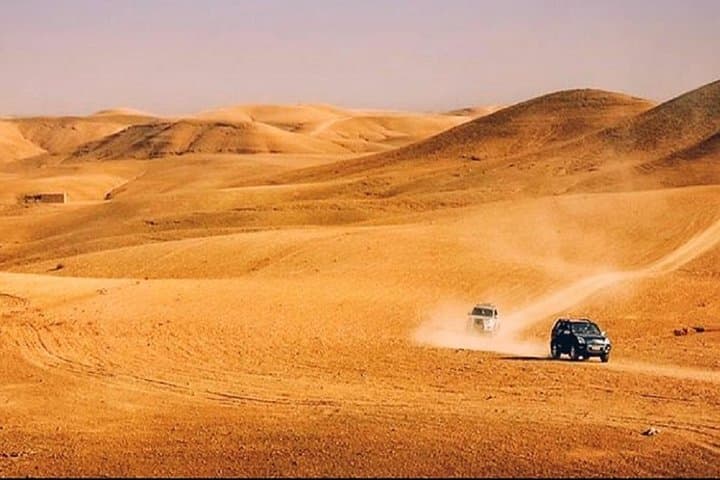
Dusty wind pushes across the low stone plateaus as the minivan winds out of Marrakech, and the city’s din falls away into a wide, ochre landscape.
Verified experiences and guided adventures in the surrounding area.
Operated by Marrakech experiences · Marrakech, Marrakesh-Safi
Dusty wind pushes across the low stone plateaus as the minivan winds out of Marrakech, and the city’s din falls away into a wide, ochre landscape.
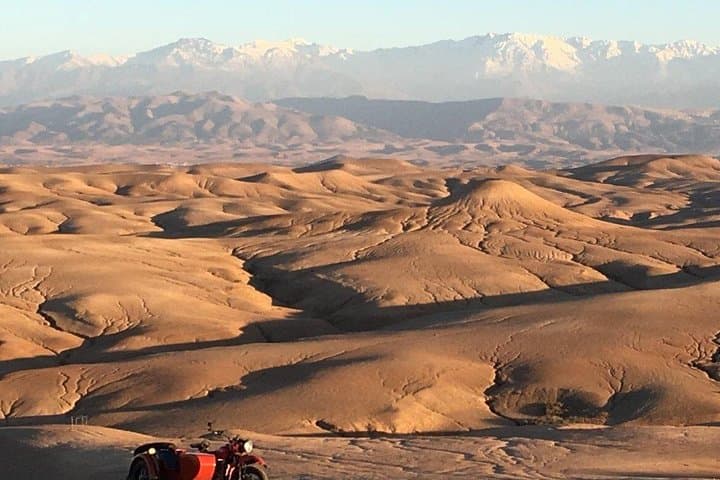
The day moves from hamlets and argan groves up through terraces that feed local villages, then higher into the Imlil Valley where cedar forests and seasonal waterfalls reintroduce green. Geologically the route traces the transition from sedimentary plateaus of the Agafay — compacted sandstone and gravel rather than sweeping sand dunes — toward the uplifted, metamorphic ridges of the High Atlas. That change gives the itinerary a varied feel: rocky desert flats, irrigated fields ringed with walnut and cherry trees, and stony mountain tracks.
Culturally the route is Berber country. Visits to argan cooperatives, a short market stop, and a family lunch in Ait Souka put daily life and hospitality at the center of the experience. Guides often point out traditional irrigation channels that have shaped agriculture here for centuries and explain local craft techniques.
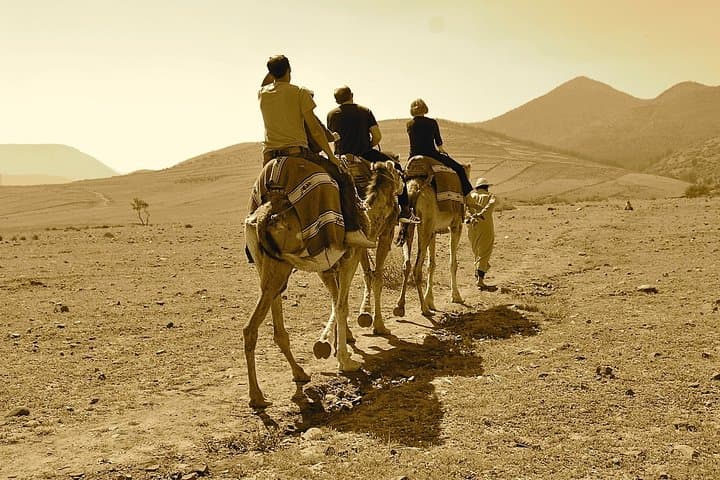
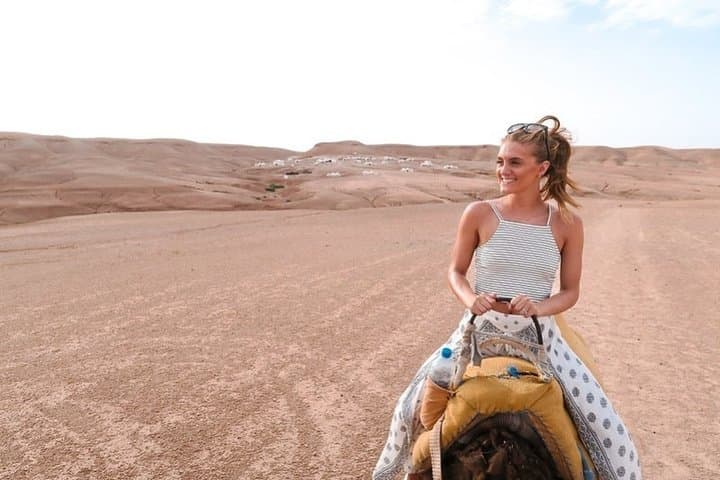
Practically, expect a full 7–8 hour day with multiple short walks (or camel rides where offered), a guided village trek in Imlil, photo stops at Lalla Takerkoust Lake, and late-afternoon views from Kik Plateau or the Agafay rim at sunset.
Bring sun protection, layered clothing for cooler mountain air, and sturdy shoes for uneven paths. Hydrate early and carry local currency for small purchases and tips. The route is accessible to most travelers in reasonable health but includes unpaved stretches and modest elevation changes that reward steady footing and attention.
moderate.
7–8 hours.
Suitable for travelers in fair fitness who can manage several short walks on uneven terrain; not strenuous but active.
The excursion runs about 7–8 hours and typically includes hotel pickup/drop-off, an English-speaking guide, lunch, bottled water, tea and some activities like short village treks and a camel ride option.
Yes—the tour is graded moderate and is suitable for children and older travelers who can manage short walks; infant seats are sometimes available and guides can adjust pace.
Yes—at Lalla Takerkoust Lake local operators can arrange quad biking or jet skiing for an additional fee; book locally during the stop.
There are modest elevation changes up to ~1,800 m on Kik Plateau; travelers with serious cardiovascular issues should consult their physician as noted by the operator.
The valleys and plateaus are traditionally inhabited by Berber communities whose terrace farming and argan production have shaped the landscape for centuries.
Water is scarce in this region; travelers are encouraged to minimize waste, use refillable bottles, and support certified cooperatives that reinvest in local communities.
Marrakech experiences operates guided outdoor trips and adventures with an emphasis on safety, stewardship, and memorable experiences.
Dusty wind pushes across the low stone plateaus as the minivan winds out of Marrakech, and the city’s din falls away into a wide, ochre landscape.
Dusty wind pushes across the low stone plateaus as the minivan winds out of Marrakech, and the city’s din falls away into a wide, ochre landscape.
The day moves from hamlets and argan groves up through terraces that feed local villages, then higher into the Imlil Valley where cedar forests and seasonal waterfalls reintroduce green. Geologically the route traces the transition from sedimentary plateaus of the Agafay — compacted sandstone and gravel rather than sweeping sand dunes — toward the uplifted, metamorphic ridges of the High Atlas. That change gives the itinerary a varied feel: rocky desert flats, irrigated fields ringed with walnut and cherry trees, and stony mountain tracks.
Culturally the route is Berber country. Visits to argan cooperatives, a short market stop, and a family lunch in Ait Souka put daily life and hospitality at the center of the experience. Guides often point out traditional irrigation channels that have shaped agriculture here for centuries and explain local craft techniques.
Practically, expect a full 7–8 hour day with multiple short walks (or camel rides where offered), a guided village trek in Imlil, photo stops at Lalla Takerkoust Lake, and late-afternoon views from Kik Plateau or the Agafay rim at sunset.
Bring sun protection, layered clothing for cooler mountain air, and sturdy shoes for uneven paths. Hydrate early and carry local currency for small purchases and tips. The route is accessible to most travelers in reasonable health but includes unpaved stretches and modest elevation changes that reward steady footing and attention.