THE ADVENTURE COLLECTIVE® · Independent discovery and booking for outdoor travel

Ride a camel across the rocky Agafay plateau, stroll the terraced valleys of Imlil, and share a tajine with a Berber family on a full-day loop from Marrakech. This day trip blends accessible hikes, cultural stops, and stark desert panoramas.
Ride a camel across the rocky Agafay plateau, stroll the terraced valleys of Imlil, and share a tajine with a Berber family on a full-day loop from Marrakech. This day trip blends accessible hikes, cultural stops, and stark desert panoramas.
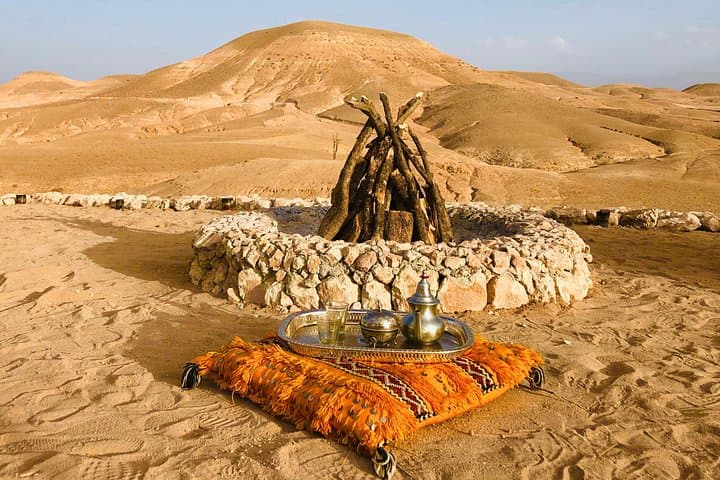
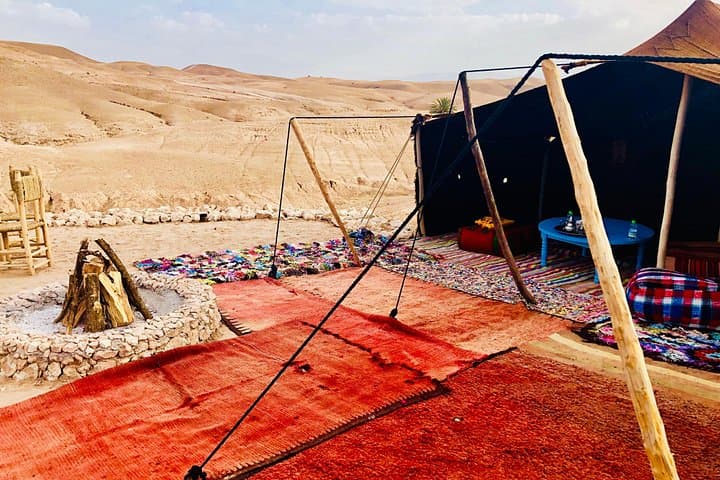
A dust-stiff wind lifts from the Agafay plateau as dawn breaks over ochre rock and low scrub; the camel’s slow silhouette cuts the horizon against a sky that hardens from indigo to washed blue. From Marrakech the road climbs into the High Atlas foothills where terraced fields and walnut groves step like human-made contours up the valley walls toward Imlil and Ait Souka.
Verified experiences and guided adventures in the surrounding area.
Operated by Atlas Mountains View · Marrakech, Marrakesh-Safi
A dust-stiff wind lifts from the Agafay plateau as dawn breaks over ochre rock and low scrub; the camel’s slow silhouette cuts the horizon against a sky that hardens from indigo to washed blue. From Marrakech the road climbs into the High Atlas foothills where terraced fields and walnut groves step like human-made contours up the valley walls toward Imlil and Ait Souka.
Geology here is blunt and honest: rounded sandstone plateaus, dry riverbeds that pulse only in winter, and the jagged shoulders of the Atlas that still hold the wash of last season’s snow. The valleys carry layers of history — Berber villages that maintain traditional irrigation and crop cycles, weekly souks in Asni where traders and shepherds still exchange goods as they have for generations.
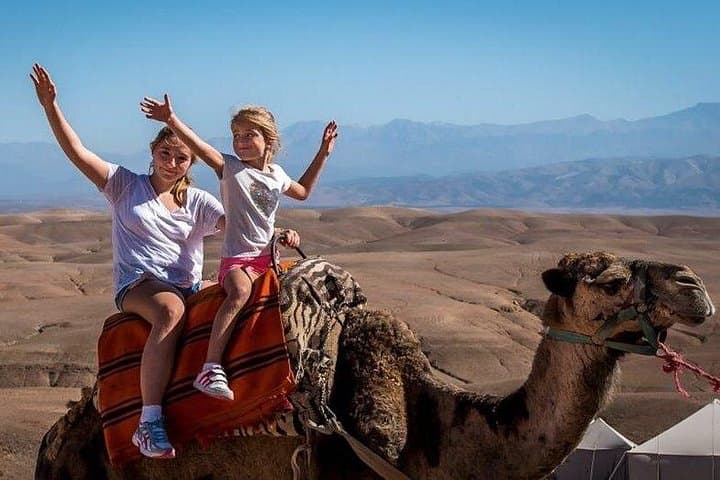
The day trip mixes short cultural stops with open landscape: a guided walk around Imlil, a family-style tajine lunch, then the Agafay desert for a brief camel ride across the stony plain. Guides explain local farming practices and point out the mix of pale barley terraces, cherry trees, and basalt outcrops.
Practical edge: the tour runs roughly nine hours with hotel pickup, moderate walking, and mostly paved road travel. Expect sun, wind, and coarse terrain; bring layered clothing, reliable shoes, sun protection and at least one liter of water for the walk. Mobility access is possible for parts of the route, but camel riding isn’t recommended for those with serious back or heart issues. Travel early in the day to avoid peak heat, and leave room on your itinerary to linger at a high-village viewpoint — the best panoramas are earned, not rushed.
moderate.
9 hours.
Moderate fitness: short uphill walks, uneven ground, and a camel ride; suitable for regular walkers.
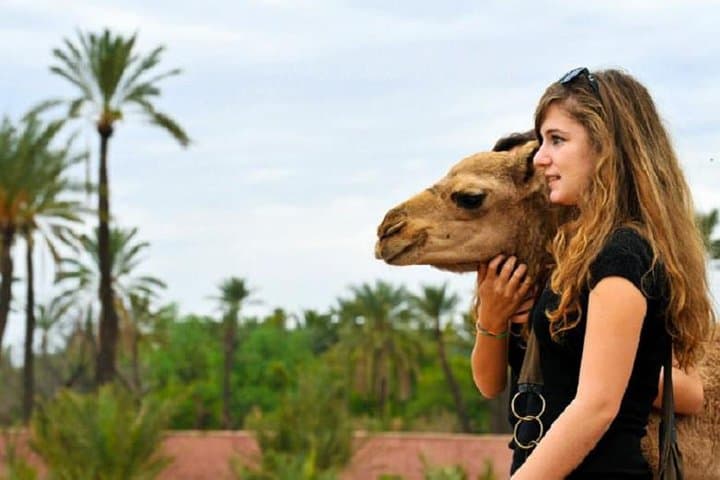
Camel rides on this trip are short, typically 20–40 minutes, designed for photos and the plateau experience rather than long treks.
Yes—transport and many sites are stroller and wheelchair accessible, though camel riding and some village paths may be awkward for very young children.
Yes — a traditional Moroccan lunch (tajine, salad, couscous and fruit) is included and served family-style at a local spot.
Camel riding is not recommended for travelers with serious spinal or heart conditions; the tour notes advise caution and alternatives for photos only.
The High Atlas valleys have long been home to Berber communities who developed terraced agriculture and local souks as trade and seasonal gathering points.
Water is scarce across the region and increased visitation stresses local supplies; choose operators who minimize single-use plastics and support community-led tourism.
Atlas Mountains View operates guided outdoor trips and adventures with an emphasis on safety, stewardship, and memorable experiences.
A dust-stiff wind lifts from the Agafay plateau as dawn breaks over ochre rock and low scrub; the camel’s slow silhouette cuts the horizon against a sky that hardens from indigo to washed blue. From Marrakech the road climbs into the High Atlas foothills where terraced fields and walnut groves step like human-made contours up the valley walls toward Imlil and Ait Souka.
A dust-stiff wind lifts from the Agafay plateau as dawn breaks over ochre rock and low scrub; the camel’s slow silhouette cuts the horizon against a sky that hardens from indigo to washed blue. From Marrakech the road climbs into the High Atlas foothills where terraced fields and walnut groves step like human-made contours up the valley walls toward Imlil and Ait Souka.
Geology here is blunt and honest: rounded sandstone plateaus, dry riverbeds that pulse only in winter, and the jagged shoulders of the Atlas that still hold the wash of last season’s snow. The valleys carry layers of history — Berber villages that maintain traditional irrigation and crop cycles, weekly souks in Asni where traders and shepherds still exchange goods as they have for generations.
The day trip mixes short cultural stops with open landscape: a guided walk around Imlil, a family-style tajine lunch, then the Agafay desert for a brief camel ride across the stony plain. Guides explain local farming practices and point out the mix of pale barley terraces, cherry trees, and basalt outcrops.
Practical edge: the tour runs roughly nine hours with hotel pickup, moderate walking, and mostly paved road travel. Expect sun, wind, and coarse terrain; bring layered clothing, reliable shoes, sun protection and at least one liter of water for the walk. Mobility access is possible for parts of the route, but camel riding isn’t recommended for those with serious back or heart issues. Travel early in the day to avoid peak heat, and leave room on your itinerary to linger at a high-village viewpoint — the best panoramas are earned, not rushed.