THE ADVENTURE COLLECTIVE® · Independent discovery and booking for outdoor travel

Leave Agadir’s coast for a full day inside Marrakech’s red walls: Koutoubia’s minaret, the pulse of Jemaa el-Fnaa, and labyrinthine souks. This guided tour pairs round-trip transport with local insight to cover major sights in a single, action-packed day.
Leave Agadir’s coast for a full day inside Marrakech’s red walls: Koutoubia’s minaret, the pulse of Jemaa el-Fnaa, and labyrinthine souks. This guided tour pairs round-trip transport with local insight to cover major sights in a single, action-packed day.
The bus slips away from the Atlantic light and, over hours of scrub and folded plain, the red walls of Marrakech finally rise ahead — ochre at noon, copper in late afternoon. On this full-day run from Agadir you move from coast to city in a single, sustained sweep: highway miles, then narrow alleys, the first hints of tile and call to prayer, and the hive of Jemaa el-Fnaa spilling stories and smells into the air.
Verified experiences and guided adventures in the surrounding area.
Operated by MorroccoAttractions.com · Marrakech, Marrakech-Safi
The bus slips away from the Atlantic light and, over hours of scrub and folded plain, the red walls of Marrakech finally rise ahead — ochre at noon, copper in late afternoon. On this full-day run from Agadir you move from coast to city in a single, sustained sweep: highway miles, then narrow alleys, the first hints of tile and call to prayer, and the hive of Jemaa el-Fnaa spilling stories and smells into the air.
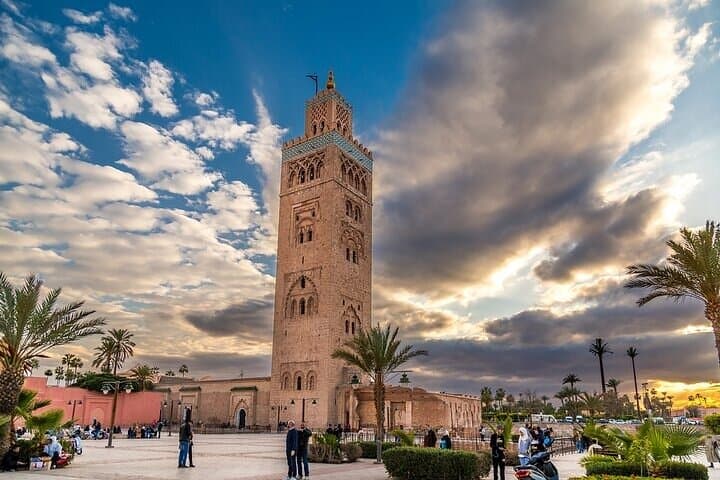
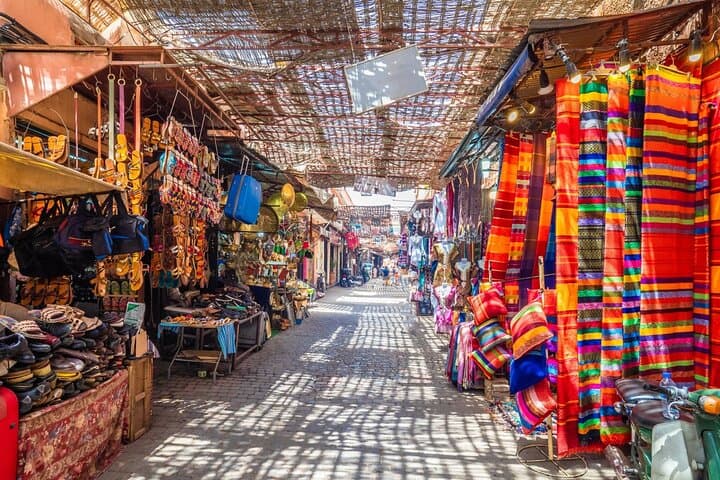
Marrakech is a layered city. Its Koutoubia minaret dates to the Almohad caliphate of the 12th century and influenced architecture across North Africa and Iberia. The medina grew from caravan trade and artisanal guilds; today the souks remain organized by craft — leather, carpets, brass — preserving skills that shaped regional livelihoods. Geologically the region sits on the northern edge of the High Atlas foothills; red earth and river valleys fed centuries of settlement and irrigated gardens that contrast with Morocco’s arid plateaus.
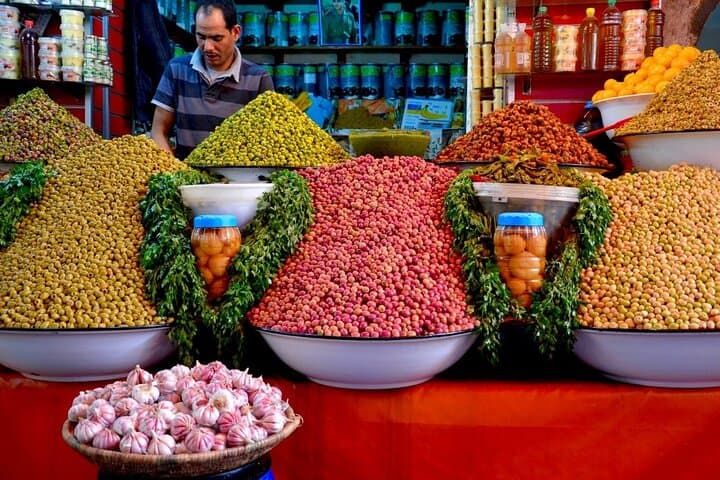
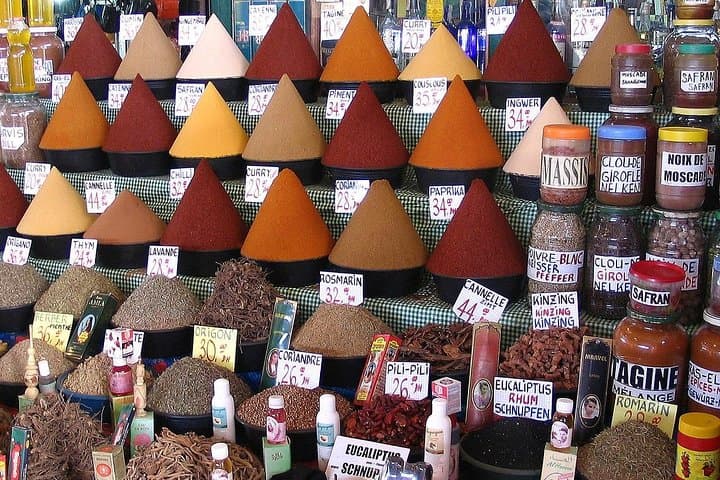
Culture here is public: storytellers, snake charmers, and vendors frame social life in the square, while the medina’s maze reveals quiet riads, ancient schools, and spice stalls fragrant with cumin and saffron.
Practical guidance: expect 11–12 hours including round-trip transport. Wear supportive shoes for cobbles and stairways, carry cash for small purchases, and schedule this as an early departure to avoid afternoon heat. Bring a light scarf for respectful temple views and shaded water — Marrakech is dry and the day’s pace moves fast. If you want a measured visit rather than a whirlwind, plan extra time in the medina’s quieter side streets.
easy.
11–12 hours.
Suitable for travelers in average fitness who can handle several hours of walking and standing
The total tour time is approximately 11–12 hours, including round-trip transport and a guided visit to key Medina sites.
This tour typically includes guided visits and external views of major landmarks; check the supplier for specific museum or palace admission inclusions.
Transport and many public areas are accessible, but the Medina’s narrow alleys and uneven surfaces may limit full wheelchair access to some sections.
Vendors vary; inform the operator in advance of dietary restrictions so they can arrange appropriate stops or restaurants.
Marrakech rose to prominence under the Almoravid and Almohad dynasties; its Koutoubia Mosque and medina reflect centuries of Islamic and Berber urban development.
Tourism pressure strains water resources and historic fabric; support local guides, avoid plastic waste, and respect signage in restoration zones.
MorroccoAttractions.com operates guided outdoor trips and adventures with an emphasis on safety, stewardship, and memorable experiences.
The bus slips away from the Atlantic light and, over hours of scrub and folded plain, the red walls of Marrakech finally rise ahead — ochre at noon, copper in late afternoon. On this full-day run from Agadir you move from coast to city in a single, sustained sweep: highway miles, then narrow alleys, the first hints of tile and call to prayer, and the hive of Jemaa el-Fnaa spilling stories and smells into the air.
The bus slips away from the Atlantic light and, over hours of scrub and folded plain, the red walls of Marrakech finally rise ahead — ochre at noon, copper in late afternoon. On this full-day run from Agadir you move from coast to city in a single, sustained sweep: highway miles, then narrow alleys, the first hints of tile and call to prayer, and the hive of Jemaa el-Fnaa spilling stories and smells into the air.
Marrakech is a layered city. Its Koutoubia minaret dates to the Almohad caliphate of the 12th century and influenced architecture across North Africa and Iberia. The medina grew from caravan trade and artisanal guilds; today the souks remain organized by craft — leather, carpets, brass — preserving skills that shaped regional livelihoods. Geologically the region sits on the northern edge of the High Atlas foothills; red earth and river valleys fed centuries of settlement and irrigated gardens that contrast with Morocco’s arid plateaus.
Culture here is public: storytellers, snake charmers, and vendors frame social life in the square, while the medina’s maze reveals quiet riads, ancient schools, and spice stalls fragrant with cumin and saffron.
Practical guidance: expect 11–12 hours including round-trip transport. Wear supportive shoes for cobbles and stairways, carry cash for small purchases, and schedule this as an early departure to avoid afternoon heat. Bring a light scarf for respectful temple views and shaded water — Marrakech is dry and the day’s pace moves fast. If you want a measured visit rather than a whirlwind, plan extra time in the medina’s quieter side streets.