THE ADVENTURE COLLECTIVE® · Independent discovery and booking for outdoor travel

Drive south from Agadir to discover Legzira’s red sandstone arches and broad tidal beach—a raw coastal landscape shaped by Atlantic waves. This full-day outing blends geology, surf culture, and quiet shoreline exploration.
Drive south from Agadir to discover Legzira’s red sandstone arches and broad tidal beach—a raw coastal landscape shaped by Atlantic waves. This full-day outing blends geology, surf culture, and quiet shoreline exploration.
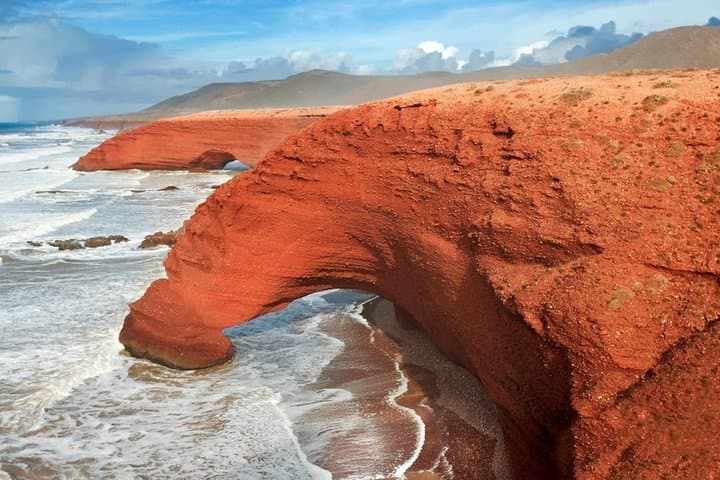
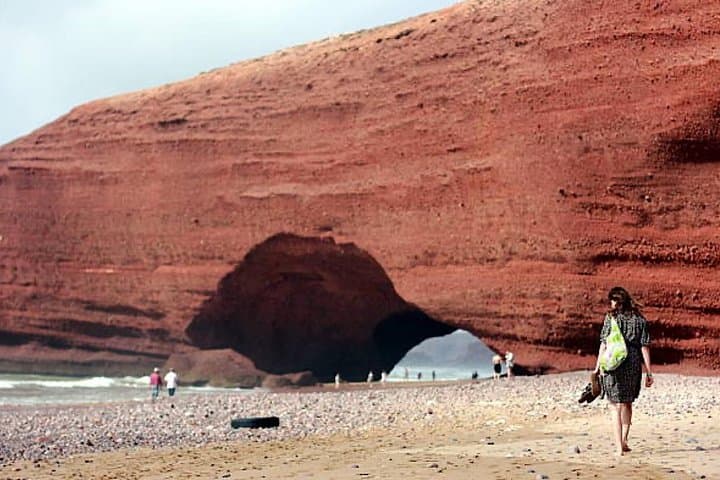
The road from Agadir opens into a ribbon of Atlantic road and ochre cliffs, and by mid-morning the sea’s smell has already started to pull at you. Legzira’s beach arrives not as a postcard but as a slow reveal: long stretches of sand and pebble backed by sheer red sandstone where the ocean has cut arches and hollows into the cliff face.
Verified experiences and guided adventures in the surrounding area.
Operated by Agadir Journey · Mirleft, Tiznit Province
The road from Agadir opens into a ribbon of Atlantic road and ochre cliffs, and by mid-morning the sea’s smell has already started to pull at you. Legzira’s beach arrives not as a postcard but as a slow reveal: long stretches of sand and pebble backed by sheer red sandstone where the ocean has cut arches and hollows into the cliff face.
Legzira sits on the southern Moroccan coast between Tiznit and Sidi Ifni near the rural town of Mirleft. The red sandstone here is Pleistocene marine deposits reshaped by wind and wave; powerful winter swells sculpt the rock and, in recent years, one of the major arches collapsed (2016), a reminder that this coastline is living geology. Local fishermen and surfers read tides like weather charts; the beach has been a quiet fishing and surf spot rather than a heavily developed resort.
Expect wide tidal ranges—early morning and late afternoon reveal the best access under arches and the broadest stretches of sand. The cliffs throw shade in places and can kick up sharp grains of sand when the wind picks up, so timing matters.
Practical guidance: plan a full-day window from Agadir, check tide tables before you go, and wear sturdy sandals or light boots for walking on mixed sand and pebble. Bring sun protection and freshwater; services are limited at the shore. Photography is best when the light is low and the tide reveals the arches; respect local anglers and avoid climbing fragile formations. Legzira rewards patient travelers: it’s an elemental place where surf still shapes the land and the coastline keeps changing underfoot.
easy.
8–12 hours (full-day).
Suitable for most fitness levels; involves walking on uneven sand and pebbles for several hundred meters.
Legzira is about 130 km south of Agadir; the drive typically takes around 2–3 hours each way depending on stops and traffic.
You can walk on the beach beneath some arches at low tide, but the cliffs are subject to erosion—avoid climbing or standing directly beneath unstable sections.
Facilities are minimal on the shore; small local vendors or fishermen may be present, but set expectations for limited parking and no large tourist amenities.
Early morning or late afternoon light and low tide provide the most dramatic views of the red sandstone arches and textured cliffs.
The coastline near Legzira has long supported small fishing communities; the red sandstone bluffs are part of Morocco’s coastal geological formations shaped over millennia by the Atlantic.
Erosion is natural and ongoing; visitors should avoid disturbing rock formations and pack out all waste to protect the fragile shoreline and local fishing livelihood.
Agadir Journey operates guided outdoor trips and adventures with an emphasis on safety, stewardship, and memorable experiences.
The road from Agadir opens into a ribbon of Atlantic road and ochre cliffs, and by mid-morning the sea’s smell has already started to pull at you. Legzira’s beach arrives not as a postcard but as a slow reveal: long stretches of sand and pebble backed by sheer red sandstone where the ocean has cut arches and hollows into the cliff face.
The road from Agadir opens into a ribbon of Atlantic road and ochre cliffs, and by mid-morning the sea’s smell has already started to pull at you. Legzira’s beach arrives not as a postcard but as a slow reveal: long stretches of sand and pebble backed by sheer red sandstone where the ocean has cut arches and hollows into the cliff face.
Legzira sits on the southern Moroccan coast between Tiznit and Sidi Ifni near the rural town of Mirleft. The red sandstone here is Pleistocene marine deposits reshaped by wind and wave; powerful winter swells sculpt the rock and, in recent years, one of the major arches collapsed (2016), a reminder that this coastline is living geology. Local fishermen and surfers read tides like weather charts; the beach has been a quiet fishing and surf spot rather than a heavily developed resort.
Expect wide tidal ranges—early morning and late afternoon reveal the best access under arches and the broadest stretches of sand. The cliffs throw shade in places and can kick up sharp grains of sand when the wind picks up, so timing matters.
Practical guidance: plan a full-day window from Agadir, check tide tables before you go, and wear sturdy sandals or light boots for walking on mixed sand and pebble. Bring sun protection and freshwater; services are limited at the shore. Photography is best when the light is low and the tide reveals the arches; respect local anglers and avoid climbing fragile formations. Legzira rewards patient travelers: it’s an elemental place where surf still shapes the land and the coastline keeps changing underfoot.