THE ADVENTURE COLLECTIVE® · Independent discovery and booking for outdoor travel

A private day trip from Agadir to Essaouira that mixes coastal scenery, fortified harbor history and visits to argan cooperatives and local markets. Expect a 10-hour outing with guided port and medina walks, time for lunch, and plenty of wind-swept photo stops.
A private day trip from Agadir to Essaouira that mixes coastal scenery, fortified harbor history and visits to argan cooperatives and local markets. Expect a 10-hour outing with guided port and medina walks, time for lunch, and plenty of wind-swept photo stops.
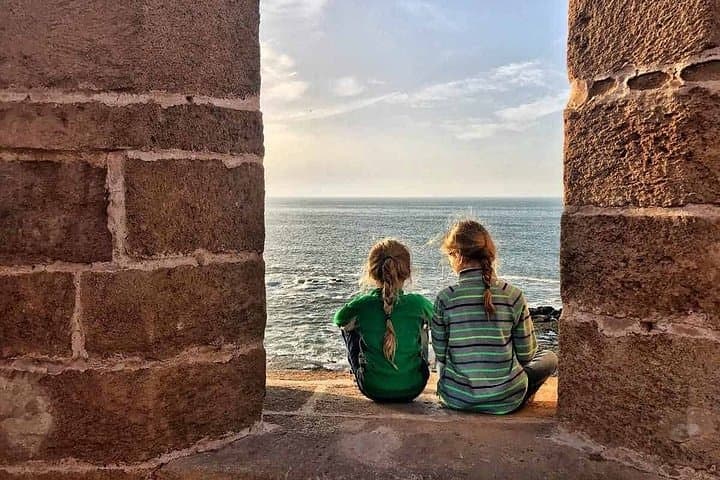
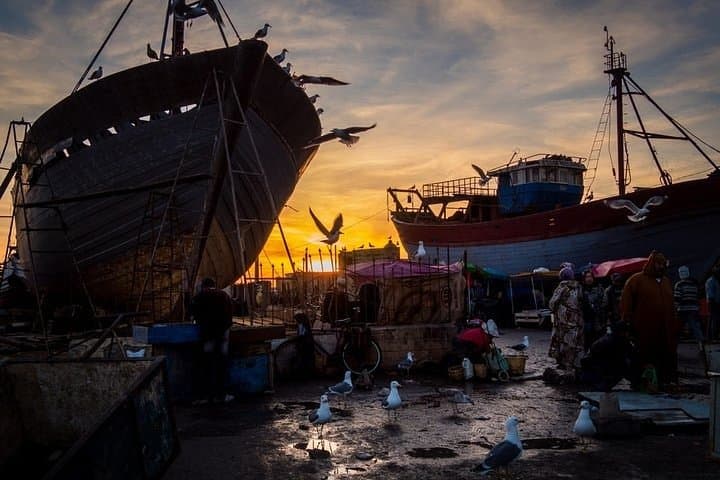
A brisk Atlantic wind meets the van as it rounds the last headland and Essaouira’s low stone ramparts come into view. Salt and cedar smoke cut through the air; gulls wheel above the fishing boats while the town’s whitewashed houses and blue shutters sit against a sky that often turns from steel to Mediterranean blue within an hour. Visitors step out into streets where the sea pushes stories ashore.
Verified experiences and guided adventures in the surrounding area.
Operated by Agadir Journey · Essaouira, Marrakesh-Safi
A brisk Atlantic wind meets the van as it rounds the last headland and Essaouira’s low stone ramparts come into view. Salt and cedar smoke cut through the air; gulls wheel above the fishing boats while the town’s whitewashed houses and blue shutters sit against a sky that often turns from steel to Mediterranean blue within an hour. Visitors step out into streets where the sea pushes stories ashore.
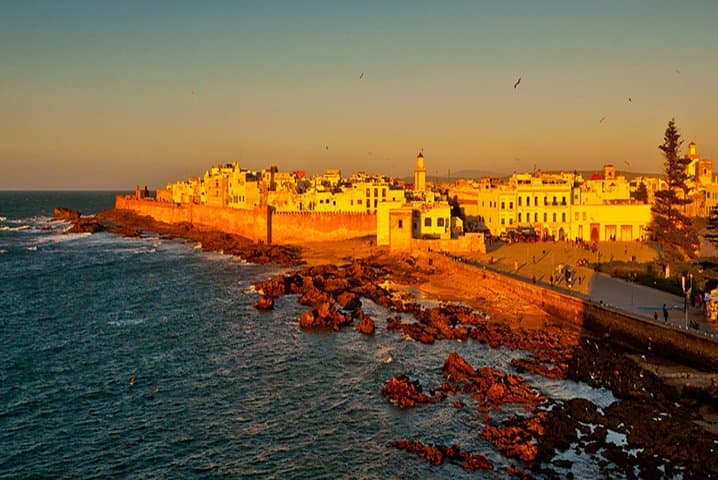
Formerly called Mogador, Essaouira bears visible chapters: 16th-century Portuguese bastions sit beside 18th-century Moroccan fortifications ordered by Sultan Mohammed ben Abdallah. The coastline is a mix of sandy protected beaches, wind-swept dunes, and rocky outcrops carved by Atlantic swell—geology that shaped the town’s fishing economy and its appeal to windsurfers today.
Culturally, the medina hums with craftsmen—woodworkers, silversmiths and cooperatives producing argan oil using traditional methods. A guided port walk includes La Scala, the municipal market and the jewelers’ quarter; chance encounters with fishermen and market sellers reveal everyday rhythms.
Practical guidance: the drive from Agadir is roughly 173 km and takes about 2–2.5 hours each way, so expect a full 10-hour day with pickup around 8:00 AM. Lunch isn’t included—bring cash for markets and cooperatives. Essaouira is famously windy; pack a windproof layer and sunscreen, wear closed walking shoes for cobbled alleys, and carry water. The tour is accessible for many mobility levels but check specifics with the operator for wheelchair assistance. Arrive with an openness to slow, coastal rhythms—this trip is as much about people and place as it is about scenery.
easy.
10 hours.
Suitable for most fitness levels—requires standing and walking on uneven surfaces for several hours.
No—lunch is not included; the itinerary allows time to eat in Essaouira’s medina or by the port, and vendors accept cash and cards variably.
The distance is about 173 km and typically takes 2–2.5 hours each way depending on traffic and stops along the coast.
Standard walking visits like the port and market are included; specific museum admissions or private demonstrations may require separate fees—confirm with the operator.
The listing notes wheelchair-accessible transport and surfaces, but accessibility inside certain historic alleys may be limited—notify the operator about mobility needs when booking.
Essaouira (Mogador) was fortified during the Portuguese presence in the 16th century and reworked under Sultan Mohammed ben Abdallah in the 18th century, shaping its distinctive ramparts and harbor layout.
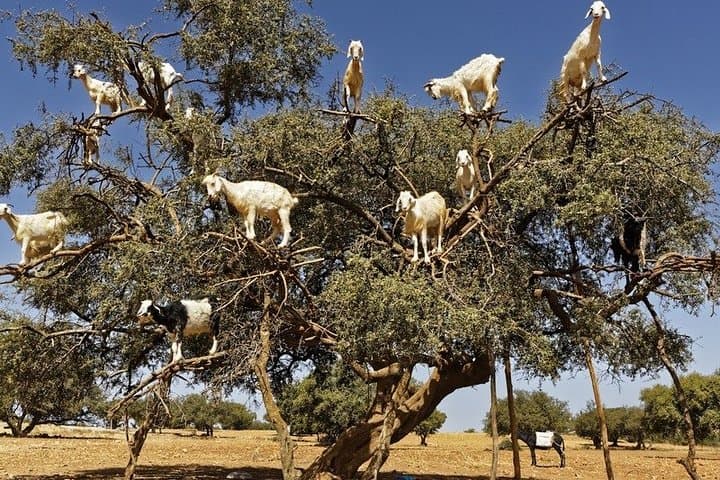
Argan forests are a protected ecological and economic resource—supporting certified cooperatives helps local women’s incomes and sustainable harvest practices; avoid products from unregulated sources.
Agadir Journey operates guided outdoor trips and adventures with an emphasis on safety, stewardship, and memorable experiences.
A brisk Atlantic wind meets the van as it rounds the last headland and Essaouira’s low stone ramparts come into view. Salt and cedar smoke cut through the air; gulls wheel above the fishing boats while the town’s whitewashed houses and blue shutters sit against a sky that often turns from steel to Mediterranean blue within an hour. Visitors step out into streets where the sea pushes stories ashore.
A brisk Atlantic wind meets the van as it rounds the last headland and Essaouira’s low stone ramparts come into view. Salt and cedar smoke cut through the air; gulls wheel above the fishing boats while the town’s whitewashed houses and blue shutters sit against a sky that often turns from steel to Mediterranean blue within an hour. Visitors step out into streets where the sea pushes stories ashore.
Formerly called Mogador, Essaouira bears visible chapters: 16th-century Portuguese bastions sit beside 18th-century Moroccan fortifications ordered by Sultan Mohammed ben Abdallah. The coastline is a mix of sandy protected beaches, wind-swept dunes, and rocky outcrops carved by Atlantic swell—geology that shaped the town’s fishing economy and its appeal to windsurfers today.
Culturally, the medina hums with craftsmen—woodworkers, silversmiths and cooperatives producing argan oil using traditional methods. A guided port walk includes La Scala, the municipal market and the jewelers’ quarter; chance encounters with fishermen and market sellers reveal everyday rhythms.
Practical guidance: the drive from Agadir is roughly 173 km and takes about 2–2.5 hours each way, so expect a full 10-hour day with pickup around 8:00 AM. Lunch isn’t included—bring cash for markets and cooperatives. Essaouira is famously windy; pack a windproof layer and sunscreen, wear closed walking shoes for cobbled alleys, and carry water. The tour is accessible for many mobility levels but check specifics with the operator for wheelchair assistance. Arrive with an openness to slow, coastal rhythms—this trip is as much about people and place as it is about scenery.