THE ADVENTURE COLLECTIVE® · Independent discovery and booking for outdoor travel

See goats perched in argan trees and haggle for handicrafts at Agadir’s Souk El Had on a compact half-day tour. Ideal for photographers and culture seekers, the outing mixes low-impact nature viewing with lively market immersion.
See goats perched in argan trees and haggle for handicrafts at Agadir’s Souk El Had on a compact half-day tour. Ideal for photographers and culture seekers, the outing mixes low-impact nature viewing with lively market immersion.
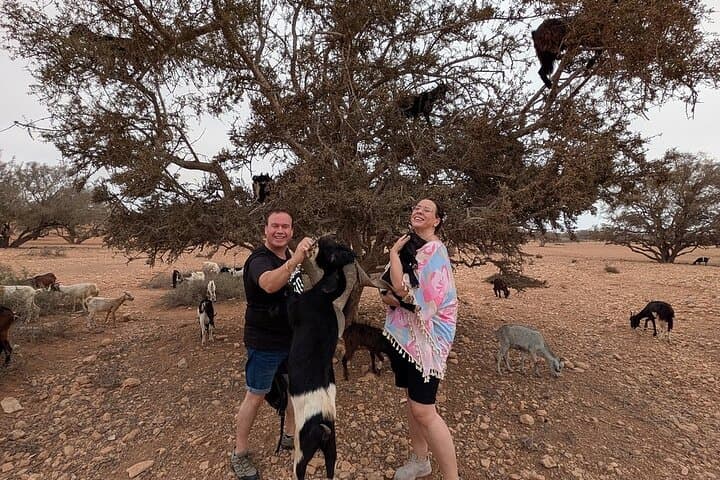
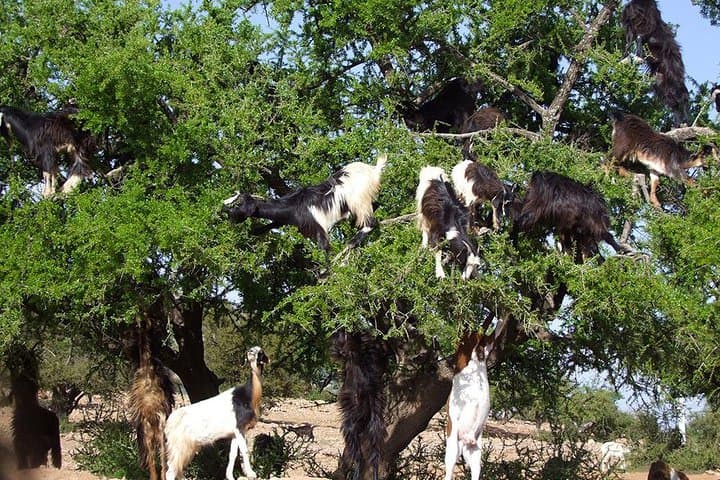
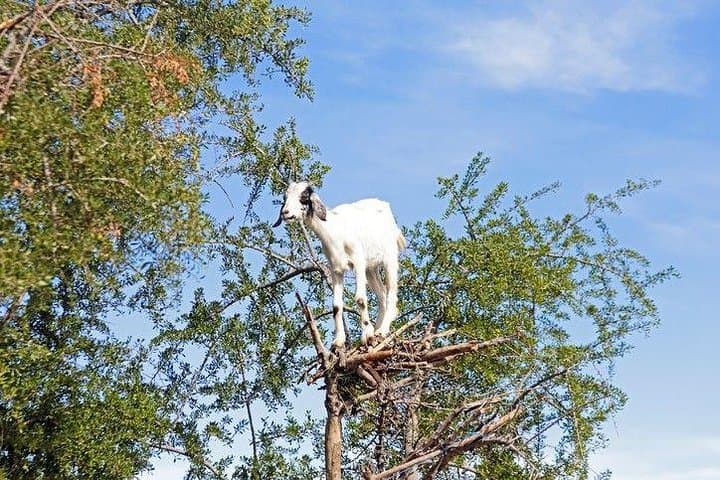
You step off the chilled van onto a low scrub slope and the air changes — faint smoke from charcoal grills, citrus tang and something wilder: goats clambering in argan trees, bright-eyed and improbably balanced. They move with casual audacity, browsing the thorny fruit while nearby women in cooperatives press kernels into the region’s celebrated argan oil.
Verified experiences and guided adventures in the surrounding area.
Operated by MorroccoAttractions.com · Agadir, Souss-Massa
You step off the chilled van onto a low scrub slope and the air changes — faint smoke from charcoal grills, citrus tang and something wilder: goats clambering in argan trees, bright-eyed and improbably balanced. They move with casual audacity, browsing the thorny fruit while nearby women in cooperatives press kernels into the region’s celebrated argan oil.
This half-day tour links two local pulses: the argan woodlands around Taghazout and the bustling Souk El Had in Agadir. The argan tree (Argania spinosa) evolved on Morocco’s semi-arid hills, its deep roots reducing soil erosion and supporting small-scale pastoralism. Generations of Amazigh (Berber) communities developed cooperative systems to harvest fruit and make oil, a cultural economy visible in cooperatives that welcome visitors for demonstrations.
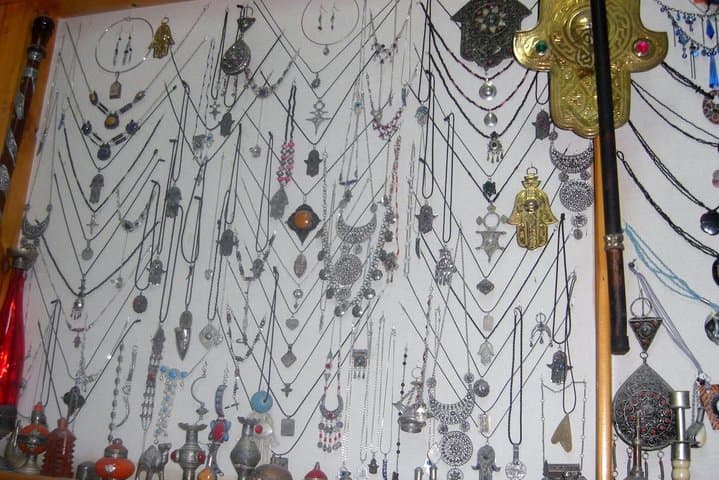
In Agadir the souk is sensory and pragmatic — spice stalls, leather, woven mats and fresh produce arranged by craft sector. It’s a place to watch bargaining, try local snacks and photograph daily life.
Practical guidance: the visit is low exertion but involves uneven ground and tight market aisles. Wear sturdy shoes, bring cash in small bills for purchases, and keep a respectful distance when photographing people or animals. Mornings are cooler and light is best for photos; late afternoon picks up market energy but can be hot. Expect a 4-hour outing with hotel pickup within Agadir/Taghazout; accessibility varies but many operators provide wheelchair-accessible vehicles. Combine curiosity with basic cultural etiquette — ask before touching animals or goods, and support women’s cooperatives if you buy argan oil. This tour is ideal for travelers who want a compact, photographic window into southern Morocco’s living traditions and landscapes.
easy.
4 hours.
Suitable for most fitness levels; short, gentle walks and market exploration—no technical fitness required.
Interactions vary by operator and goat temperament; guides often allow brief, supervised contact with young goats but you should ask and follow hygiene guidance.
Many cooperatives offer free demonstrations; purchases are optional and support local women’s groups, so buying small items is encouraged but not required.
The tour is family-friendly and operators usually accommodate children; if snacks or meals are included, notify the provider in advance about dietary needs.
Most tours include pickup and drop-off from hotels in Agadir and Taghazout—confirm your pickup point and time when booking to avoid delays.
Argan oil production is rooted in Amazigh (Berber) traditions; cooperatives grew in the late 20th century to secure local income and preserve practices tied to the argan forest.
The argan woodlands are ecologically important and under pressure from overgrazing and development; buying from certified cooperatives supports sustainable harvest and women’s livelihoods.
MorroccoAttractions.com operates guided outdoor trips and adventures with an emphasis on safety, stewardship, and memorable experiences.
You step off the chilled van onto a low scrub slope and the air changes — faint smoke from charcoal grills, citrus tang and something wilder: goats clambering in argan trees, bright-eyed and improbably balanced. They move with casual audacity, browsing the thorny fruit while nearby women in cooperatives press kernels into the region’s celebrated argan oil.
You step off the chilled van onto a low scrub slope and the air changes — faint smoke from charcoal grills, citrus tang and something wilder: goats clambering in argan trees, bright-eyed and improbably balanced. They move with casual audacity, browsing the thorny fruit while nearby women in cooperatives press kernels into the region’s celebrated argan oil.
This half-day tour links two local pulses: the argan woodlands around Taghazout and the bustling Souk El Had in Agadir. The argan tree (Argania spinosa) evolved on Morocco’s semi-arid hills, its deep roots reducing soil erosion and supporting small-scale pastoralism. Generations of Amazigh (Berber) communities developed cooperative systems to harvest fruit and make oil, a cultural economy visible in cooperatives that welcome visitors for demonstrations.
In Agadir the souk is sensory and pragmatic — spice stalls, leather, woven mats and fresh produce arranged by craft sector. It’s a place to watch bargaining, try local snacks and photograph daily life.
Practical guidance: the visit is low exertion but involves uneven ground and tight market aisles. Wear sturdy shoes, bring cash in small bills for purchases, and keep a respectful distance when photographing people or animals. Mornings are cooler and light is best for photos; late afternoon picks up market energy but can be hot. Expect a 4-hour outing with hotel pickup within Agadir/Taghazout; accessibility varies but many operators provide wheelchair-accessible vehicles. Combine curiosity with basic cultural etiquette — ask before touching animals or goods, and support women’s cooperatives if you buy argan oil. This tour is ideal for travelers who want a compact, photographic window into southern Morocco’s living traditions and landscapes.