THE ADVENTURE COLLECTIVE® · Independent discovery and booking for outdoor travel

Three hours on Agadir’s Atlantic coast with hotel transfer, beginner-friendly breaks and local instructors. Learn to paddle, pop up and read waves at sheltered spots like Panorama and Hash Point.
Three hours on Agadir’s Atlantic coast with hotel transfer, beginner-friendly breaks and local instructors. Learn to paddle, pop up and read waves at sheltered spots like Panorama and Hash Point.
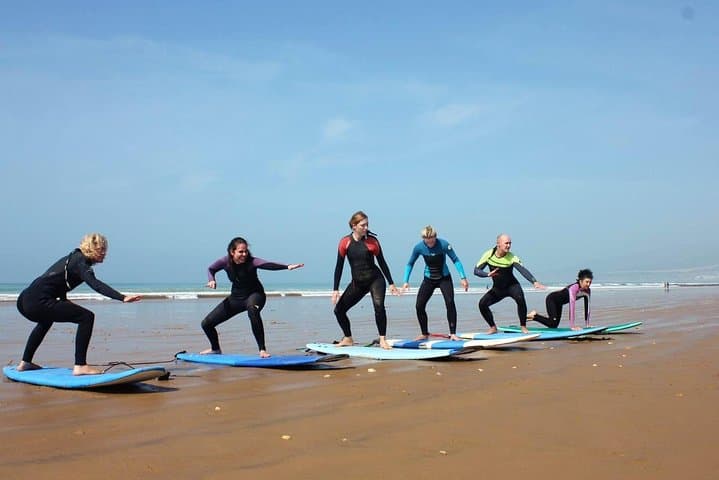
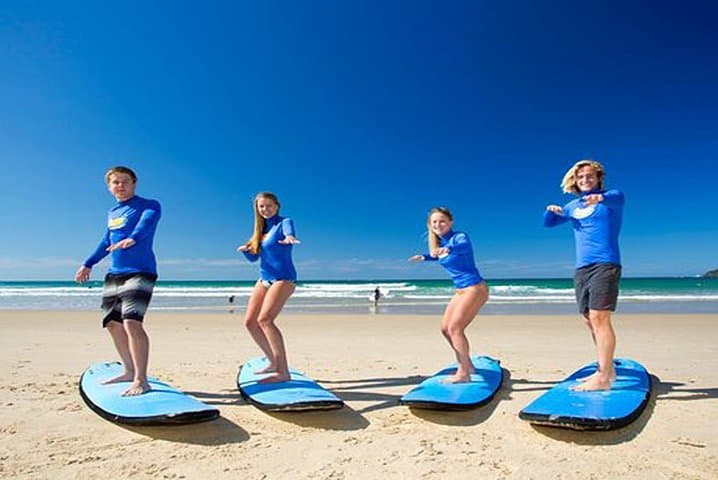
A wind-swept morning on Agadir beach: breakers roll in from the North Atlantic, and the cape at Taghazout leans the wind offshore so faces clean up and wait. The lesson group assembles on the sand—boards lined like impatient beasts, instructors running quick drills—and within minutes the ocean is both classroom and sparring partner.
Verified experiences and guided adventures in the surrounding area.
Operated by Agadir Journey · Agadir, Souss-Massa
A wind-swept morning on Agadir beach: breakers roll in from the North Atlantic, and the cape at Taghazout leans the wind offshore so faces clean up and wait. The lesson group assembles on the sand—boards lined like impatient beasts, instructors running quick drills—and within minutes the ocean is both classroom and sparring partner.
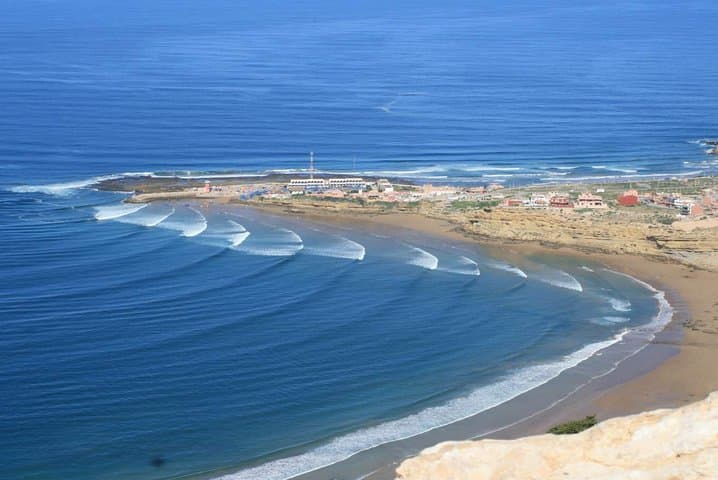
This stretch of Morocco’s Atlantic coast catches the same swells that feed Iberian breaks but benefits from local geometry—Cape Ghir and the headlands around Taghazout shelter pockets of gentler surf. Fishing villages turned surf towns shaped the culture here; Berber and Arabic influences blend with a growing surf tourism scene and the smell of tajine drifting from nearby cafes. Geologically the coastline is rugged with rocky points and sandy beaches formed by longshore currents and seasonal sediment shifts.
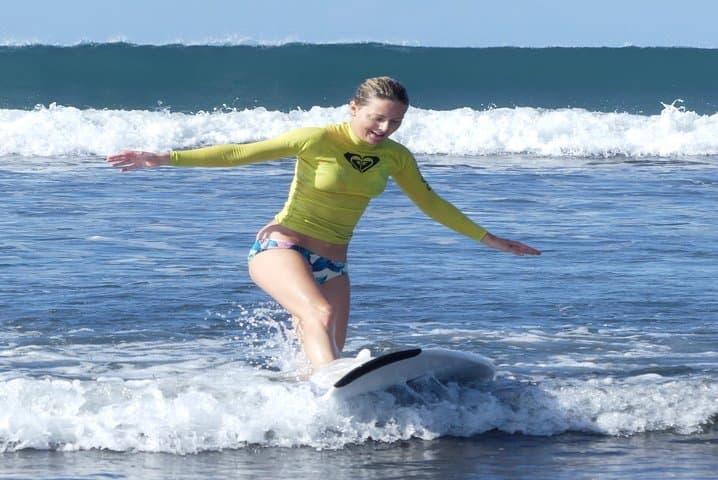
Practically, lessons run about three hours and include hotel transfer, basic technique, water safety and guided time in the whitewater. From September to April the swell is more consistent and powerful; May–August offers smaller, cleaner waves ideal for beginners. Instructors pick sheltered beach breaks—Panorama, Hash Point and Killers—matching conditions to ability.
Expect wet suits when water cools, a short safety briefing on rips and etiquette, and repeated runs through pop-up practice on sand before entering the surf. Bring reef-safe sunscreen, a reusable water bottle, swimwear under a wetsuit, and a light towel. Beginners should be comfortable in chest-deep water and ready for a physically engaging, rewarding morning learning to read the ocean as much as ride it.
moderate.
3 hours.
Moderate fitness — expect repeated paddling, pop-ups and short bursts of exertion; good for active beginners.
No—lessons are designed for beginners to intermediate surfers; instructors cover basics like paddling, popping up and ocean safety.
Yes—the listed tour includes free shuttle transfers to and from hotels in Agadir.
The activity suits most ages and fitness levels but requires basic swimming; disclose health or mobility issues when booking.
If conditions are unsafe the operator may cancel and offer a full refund if done at least 24 hours prior or reschedule according to their policy.
Agadir evolved from coastal fishing villages; in the 20th century it grew into a regional port and more recently a surf destination as European surfers explored its consistent Atlantic swells.
Use reef-safe products, respect posted protected areas and avoid trampling dune vegetation; local groups work to balance tourism with coastal habitat protection.
Agadir Journey operates guided outdoor trips and adventures with an emphasis on safety, stewardship, and memorable experiences.
A wind-swept morning on Agadir beach: breakers roll in from the North Atlantic, and the cape at Taghazout leans the wind offshore so faces clean up and wait. The lesson group assembles on the sand—boards lined like impatient beasts, instructors running quick drills—and within minutes the ocean is both classroom and sparring partner.
A wind-swept morning on Agadir beach: breakers roll in from the North Atlantic, and the cape at Taghazout leans the wind offshore so faces clean up and wait. The lesson group assembles on the sand—boards lined like impatient beasts, instructors running quick drills—and within minutes the ocean is both classroom and sparring partner.
This stretch of Morocco’s Atlantic coast catches the same swells that feed Iberian breaks but benefits from local geometry—Cape Ghir and the headlands around Taghazout shelter pockets of gentler surf. Fishing villages turned surf towns shaped the culture here; Berber and Arabic influences blend with a growing surf tourism scene and the smell of tajine drifting from nearby cafes. Geologically the coastline is rugged with rocky points and sandy beaches formed by longshore currents and seasonal sediment shifts.
Practically, lessons run about three hours and include hotel transfer, basic technique, water safety and guided time in the whitewater. From September to April the swell is more consistent and powerful; May–August offers smaller, cleaner waves ideal for beginners. Instructors pick sheltered beach breaks—Panorama, Hash Point and Killers—matching conditions to ability.
Expect wet suits when water cools, a short safety briefing on rips and etiquette, and repeated runs through pop-up practice on sand before entering the surf. Bring reef-safe sunscreen, a reusable water bottle, swimwear under a wetsuit, and a light towel. Beginners should be comfortable in chest-deep water and ready for a physically engaging, rewarding morning learning to read the ocean as much as ride it.