THE ADVENTURE COLLECTIVE® · Independent discovery and booking for outdoor travel

Ascend by cable car to Kasbah Oufella for sweeping Atlantic views, visit an argan oil cooperative, and explore Souk El Had on this concise 3-hour Agadir city tour. Ideal for sunset photography and a quick cultural primer.
Ascend by cable car to Kasbah Oufella for sweeping Atlantic views, visit an argan oil cooperative, and explore Souk El Had on this concise 3-hour Agadir city tour. Ideal for sunset photography and a quick cultural primer.
The sun slides low over the Atlantic, turning Agadir’s harbor to a sheet of copper as you step into the cable car cabin and rise above the city. The ride is brief—five minutes of wind and widening horizon—then you spill onto the stones of Kasbah Oufella where the ruined walls frame the bay, the port, and the ragged line of the Atlas foothills.
Verified experiences and guided adventures in the surrounding area.
Operated by Agadir Attractions · Agadir, Souss-Massa
The sun slides low over the Atlantic, turning Agadir’s harbor to a sheet of copper as you step into the cable car cabin and rise above the city. The ride is brief—five minutes of wind and widening horizon—then you spill onto the stones of Kasbah Oufella where the ruined walls frame the bay, the port, and the ragged line of the Atlas foothills.
The kasbah traces back to the 16th century when Portuguese builders fortified the hill; much of what you see is a ruin reshaped by the 1960 earthquake and decades of coastal weather. Geology here is blunt: sandy terraces meet basalt outcrops and ancient riverbeds that funnel runoff from the mountains to the sea. Culture is immediate—souks that trade fresh-caught sardines, cooperative rooms where women press argan kernels into oil, and villa-lined streets that recall Agadir’s 20th-century revival.
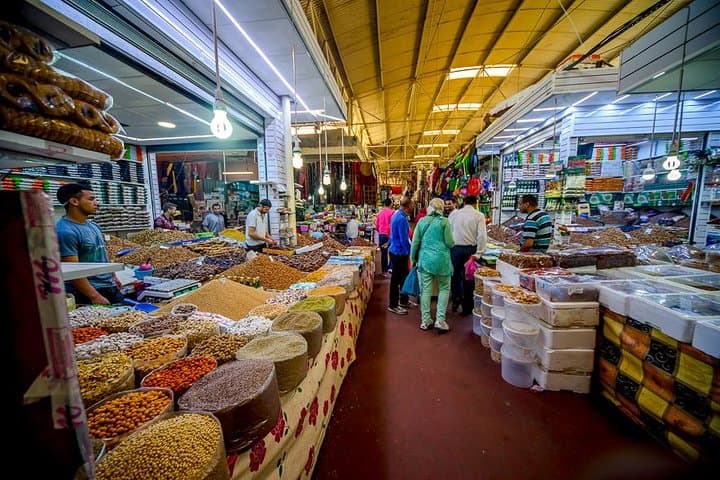
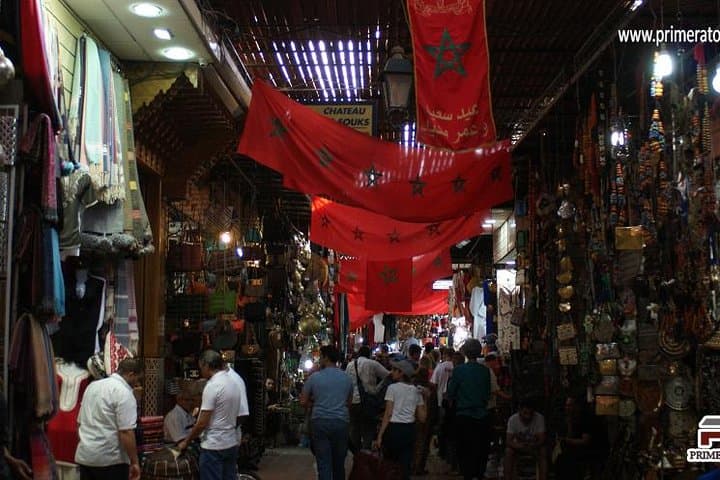
Expect short walks on uneven stone, panoramic ocean views that dare you to linger, and a visit to a working argan cooperative where traditional presses and tasting cups explain why argan is called “liquid gold.” The Souk El Had is a good place to test your bargaining rhythm and sample local snacks.
Practical guidance: schedule the tour to end at sunset for the best light, bring modest clothing for conservative spaces, carry small change for markets, and wear sturdy shoes—the kasbah’s footing can be rough. Hydrate before and after the climb; coastal evenings can cool quickly. With three hours total and hotel pickup included, this tour is an efficient way to connect history, landscape, and local life in Agadir.
easy.
3 hours.
Light walking ability; suitable for most fitness levels with short uphill sections at the kasbah
This tour includes a one-way cable car ride up to Kasbah Oufella; descent and return transfer are handled by the tour vehicle.
The operator lists wheelchair-accessible transport and cable car access, though the kasbah ruins have uneven surfaces that may limit mobility on-site.
Guides are typically multilingual — English, French, and Arabic are commonly available on shared tours.
Yes — cooperatives sell pressed argan oil and cosmetics; purchasing supports local women’s associations but compare prices if you plan to shop extensively.
Kasbah Oufella began as a 16th-century Portuguese fortification; much of the visible ruin dates from post-1960 earthquake reconstruction and weathering.
Argan woodland near Agadir is a protected resource; buying from certified cooperatives supports sustainable harvest and local livelihoods while reducing pressure on wild trees.
Agadir Attractions operates guided outdoor trips and adventures with an emphasis on safety, stewardship, and memorable experiences.
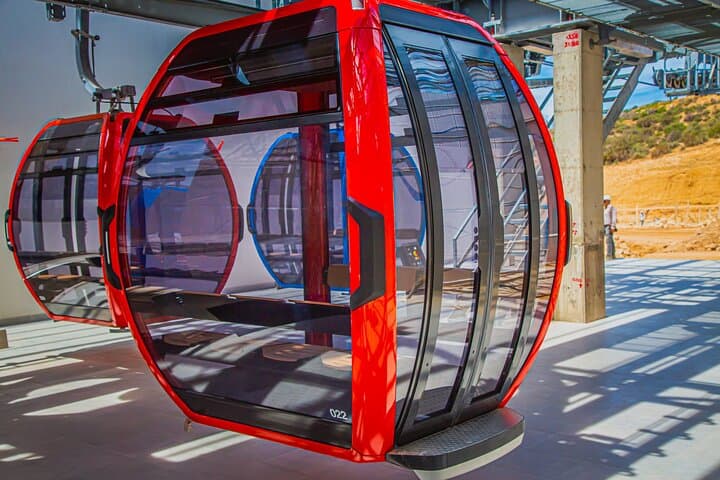
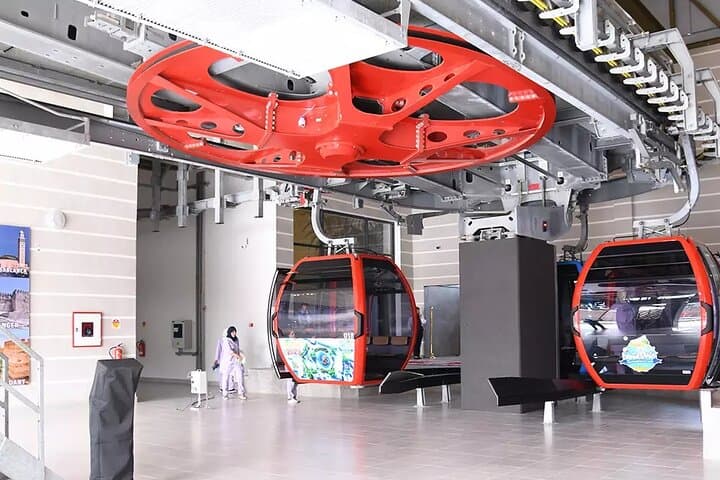
The sun slides low over the Atlantic, turning Agadir’s harbor to a sheet of copper as you step into the cable car cabin and rise above the city. The ride is brief—five minutes of wind and widening horizon—then you spill onto the stones of Kasbah Oufella where the ruined walls frame the bay, the port, and the ragged line of the Atlas foothills.
The sun slides low over the Atlantic, turning Agadir’s harbor to a sheet of copper as you step into the cable car cabin and rise above the city. The ride is brief—five minutes of wind and widening horizon—then you spill onto the stones of Kasbah Oufella where the ruined walls frame the bay, the port, and the ragged line of the Atlas foothills.
The kasbah traces back to the 16th century when Portuguese builders fortified the hill; much of what you see is a ruin reshaped by the 1960 earthquake and decades of coastal weather. Geology here is blunt: sandy terraces meet basalt outcrops and ancient riverbeds that funnel runoff from the mountains to the sea. Culture is immediate—souks that trade fresh-caught sardines, cooperative rooms where women press argan kernels into oil, and villa-lined streets that recall Agadir’s 20th-century revival.
Expect short walks on uneven stone, panoramic ocean views that dare you to linger, and a visit to a working argan cooperative where traditional presses and tasting cups explain why argan is called “liquid gold.” The Souk El Had is a good place to test your bargaining rhythm and sample local snacks.
Practical guidance: schedule the tour to end at sunset for the best light, bring modest clothing for conservative spaces, carry small change for markets, and wear sturdy shoes—the kasbah’s footing can be rough. Hydrate before and after the climb; coastal evenings can cool quickly. With three hours total and hotel pickup included, this tour is an efficient way to connect history, landscape, and local life in Agadir.