THE ADVENTURE COLLECTIVE® · Independent discovery and booking for outdoor travel

Drive ATVs and buggies from Agadir into argan groves, Berber villages, and the Mini Sahara dunes. Expect a 1.5–2 hour guided ride with a village breakfast and hands-on local encounters.
Drive ATVs and buggies from Agadir into argan groves, Berber villages, and the Mini Sahara dunes. Expect a 1.5–2 hour guided ride with a village breakfast and hands-on local encounters.
You rumble out of Agadir before the city fully wakes, dust rising as ATVs cut through argan groves and the first light picks out the ribbed silhouettes of the Mini Sahara. The wind pulls at your goggles; the dunes dare you forward while the guide calls out a line through dry riverbeds and fig-lined lanes.
Verified experiences and guided adventures in the surrounding area.
Operated by Agadir Atlantic Excursion · Agadir, Souss-Massa
You rumble out of Agadir before the city fully wakes, dust rising as ATVs cut through argan groves and the first light picks out the ribbed silhouettes of the Mini Sahara. The wind pulls at your goggles; the dunes dare you forward while the guide calls out a line through dry riverbeds and fig-lined lanes.
This stretch of southern Morocco sits where Atlantic plains meet foothills of the Anti-Atlas. The landscape is shaped by ancient erosion—soft rock and sand creating the low dunes and stony expanses you ride. Local Berber communities have farmed here for generations; argan trees, a regionally endemic species, anchor both ecology and economy through cooperatives that press oil used across Morocco.
Culturally the tour threads through small villages and farmland: a stop for mint tea and homemade bread offers a direct taste of hospitality and the simple staples of rural life. Geology and human history are always next to one another here—tracks cross old irrigation lines and terraces that show how people coaxed water from marginal soil.
Practical guidance: expect 1.5–2 hours on the vehicle, with brief walking breaks at viewpoints and the breakfast stop. Wear closed-toe shoes, bring sun protection and at least 1 liter of water, and secure cameras with straps—the ride is bouncy. Vehicles are provided with helmets and goggles; listen closely during the safety briefing and follow the guide’s pace on dunes to avoid soft-sand stalls. Afternoon heat is strongest from June–September; early mornings are cooler and often the best window for steady light and more comfortable riding.
moderate.
1.5–2 hours.
Suitable for people with basic mobility and balance; no advanced fitness required but expect bouncy, active riding.
No—guides provide a safety briefing and basic instruction; novices are accommodated but must follow guide directions.
Age and passenger rules vary by operator; many tours offer child seats or allow passengers but check the booking requirements and disclose ages at reservation.
Yes—helmets and goggles are included and must be worn throughout the tour for safety and dust protection.
Yes—door-to-door pickup and drop-off in Agadir are included in the tour price as stated in the listing.
The region has long been inhabited by Amazigh (Berber) communities who developed terrace farming and argan oil production; trade routes also linked coastal Agadir to inland settlements.
Argan trees are a protected, endemic resource—stick to marked routes, support local cooperatives, and avoid disturbing vegetation or wildlife when riding.
Agadir Atlantic Excursion operates guided outdoor trips and adventures with an emphasis on safety, stewardship, and memorable experiences.
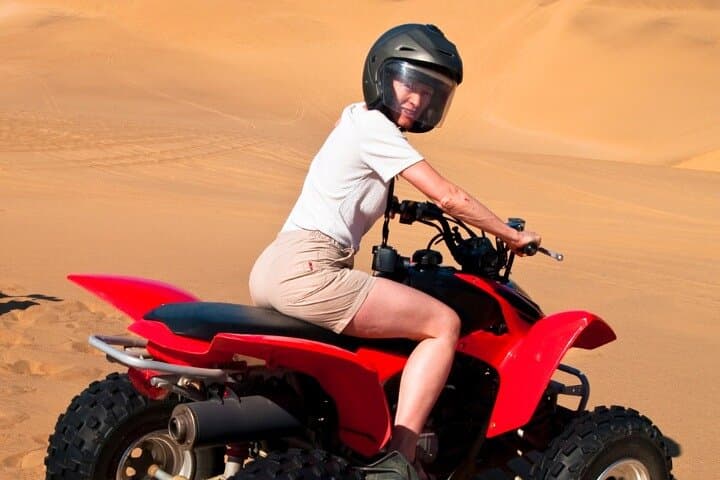
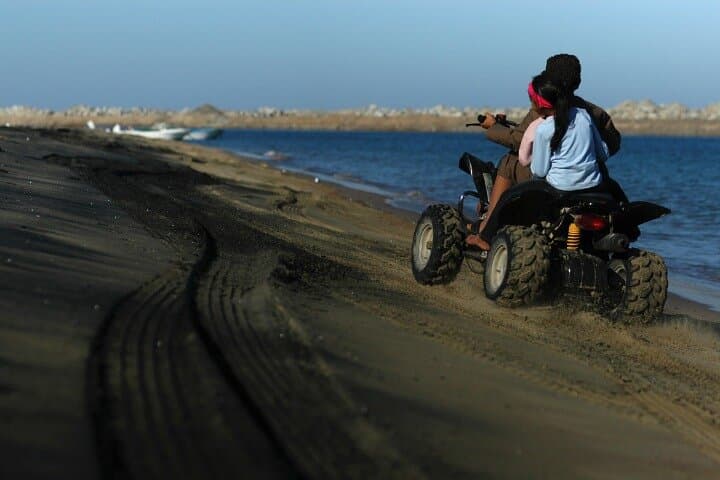
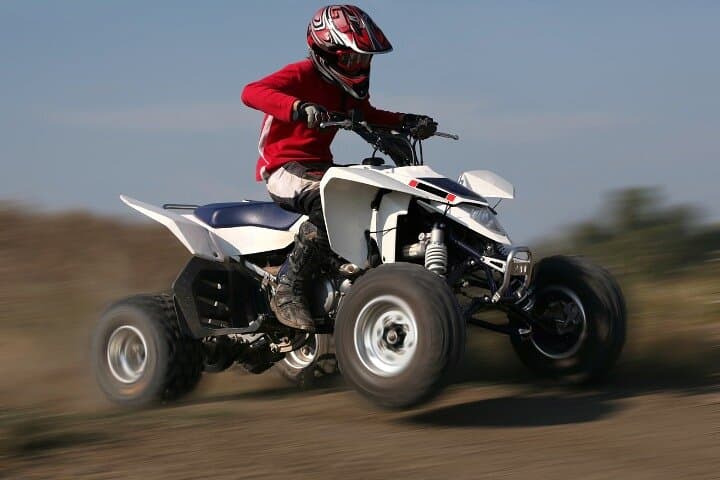
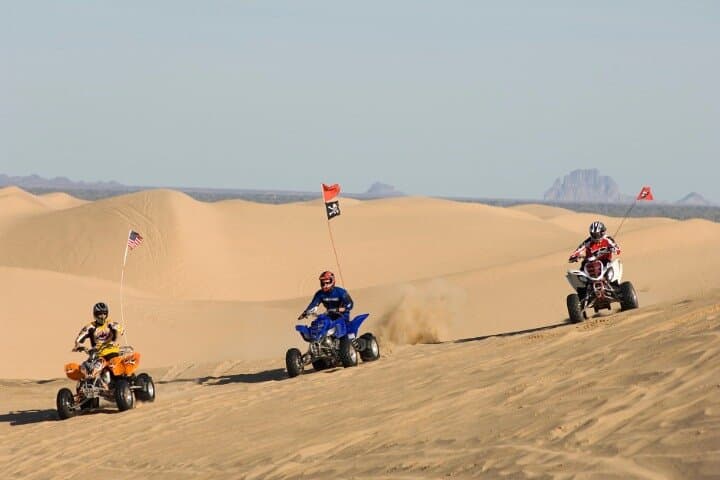
You rumble out of Agadir before the city fully wakes, dust rising as ATVs cut through argan groves and the first light picks out the ribbed silhouettes of the Mini Sahara. The wind pulls at your goggles; the dunes dare you forward while the guide calls out a line through dry riverbeds and fig-lined lanes.
You rumble out of Agadir before the city fully wakes, dust rising as ATVs cut through argan groves and the first light picks out the ribbed silhouettes of the Mini Sahara. The wind pulls at your goggles; the dunes dare you forward while the guide calls out a line through dry riverbeds and fig-lined lanes.
This stretch of southern Morocco sits where Atlantic plains meet foothills of the Anti-Atlas. The landscape is shaped by ancient erosion—soft rock and sand creating the low dunes and stony expanses you ride. Local Berber communities have farmed here for generations; argan trees, a regionally endemic species, anchor both ecology and economy through cooperatives that press oil used across Morocco.
Culturally the tour threads through small villages and farmland: a stop for mint tea and homemade bread offers a direct taste of hospitality and the simple staples of rural life. Geology and human history are always next to one another here—tracks cross old irrigation lines and terraces that show how people coaxed water from marginal soil.
Practical guidance: expect 1.5–2 hours on the vehicle, with brief walking breaks at viewpoints and the breakfast stop. Wear closed-toe shoes, bring sun protection and at least 1 liter of water, and secure cameras with straps—the ride is bouncy. Vehicles are provided with helmets and goggles; listen closely during the safety briefing and follow the guide’s pace on dunes to avoid soft-sand stalls. Afternoon heat is strongest from June–September; early mornings are cooler and often the best window for steady light and more comfortable riding.