THE ADVENTURE COLLECTIVE® · Independent discovery and booking for outdoor travel

Explore Agadir’s mosques, gardens, and the labyrinthine Souk El Had on a private three-hour walking tour. Expect lively markets, coastal views from the kasbah ruins, and a local guide who brings history and bargaining tips to life.
Explore Agadir’s mosques, gardens, and the labyrinthine Souk El Had on a private three-hour walking tour. Expect lively markets, coastal views from the kasbah ruins, and a local guide who brings history and bargaining tips to life.
You step out from a shaded avenue and the Atlantic wind redirects the city — palm fronds sway, a cathedral of white mosque domes presides, and spices from the market lift like a promise.
Verified experiences and guided adventures in the surrounding area.
Operated by Go Travel Morocco · Agadir, Souss-Massa
You step out from a shaded avenue and the Atlantic wind redirects the city — palm fronds sway, a cathedral of white mosque domes presides, and spices from the market lift like a promise.
This three-hour private walking tour threads through Agadir’s public gardens, past elegant mosque façades, and into the pulse of Souk El Had. The kasbah’s ruined ramparts watch over the bay; they were raised by the Portuguese and later remade after the 1960 earthquake that flattened the old city, so each stone holds a visible story of rebuilding and resilience.
Geologically the coast sits on a rocky promontory that slopes down to long sandy beaches, with the Oued Souss estuary nearby creating marshlands that attract migratory birds. Culturally, Agadir is a working port and resort city where Amazigh (Berber) crafts, Moorish architectural lines, and modern seaside life coexist; bargaining in the market is a local ritual, and garden squares serve as small urban refuges.
Practical guidance: wear comfortable closed-toe shoes for uneven alleys and a sun hat for exposed stretches; carry water and small change for purchases and snacks. Tours move at a relaxed pace but include short walks between points, with time to sample seasonal foods and practice bargaining. If you want photos without the crowds, ask for an early start; evenings bring softer light but more shoppers. The guide will point out architecture, local artisans, and the best stalls for spices and textile work — useful context that turns a stroll into an informed encounter with Agadir’s living city.
easy.
3 hours.
Suitable for most fitness levels; requires walking at a relaxed pace with short stretches on uneven ground.
The private walking tour lasts approximately three hours and includes stops at gardens, mosques (viewed from outside), Souk El Had, and the kasbah ruins.
Yes — the tour listing indicates stroller access and is suitable for all fitness levels, though some market alleys can be tight.
This itinerary visits exterior sites and the market; admission fees are generally not included and are not required for the planned stops.
Most guides can help identify snack ingredients; inform the operator in advance about allergies or dietary needs.
Agadir was largely rebuilt after a devastating 1960 earthquake; the kasbah above the city preserves remnants of earlier Portuguese and pre-earthquake settlements.
Water scarcity is an ongoing local concern—carry a refillable bottle and support local artisans to bolster the sustainable economy.
Go Travel Morocco operates guided outdoor trips and adventures with an emphasis on safety, stewardship, and memorable experiences.
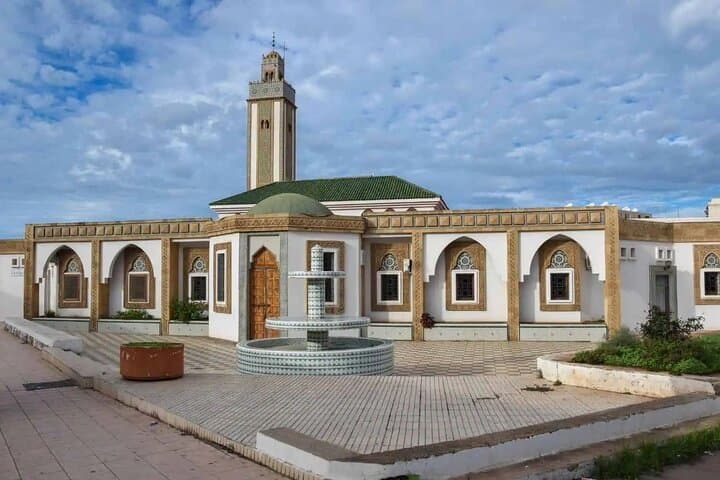
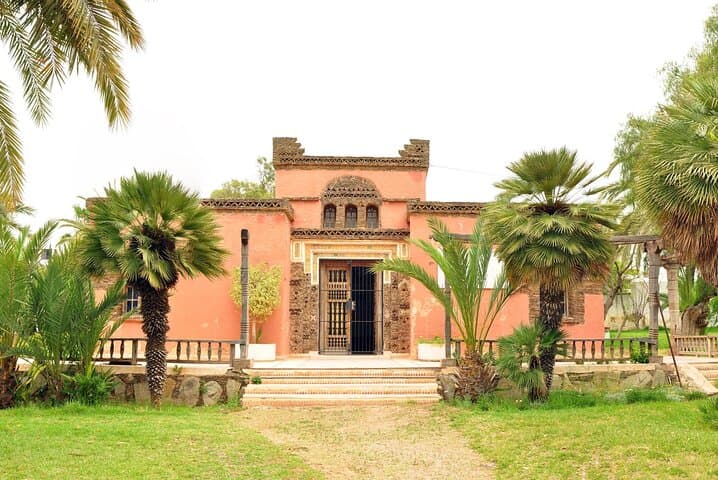
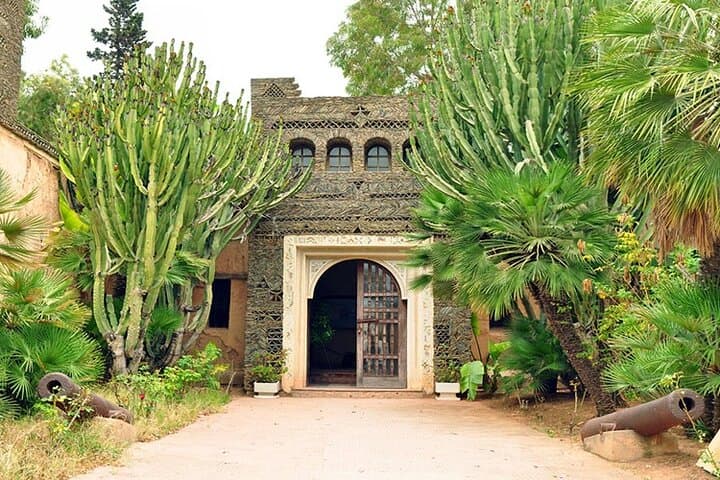
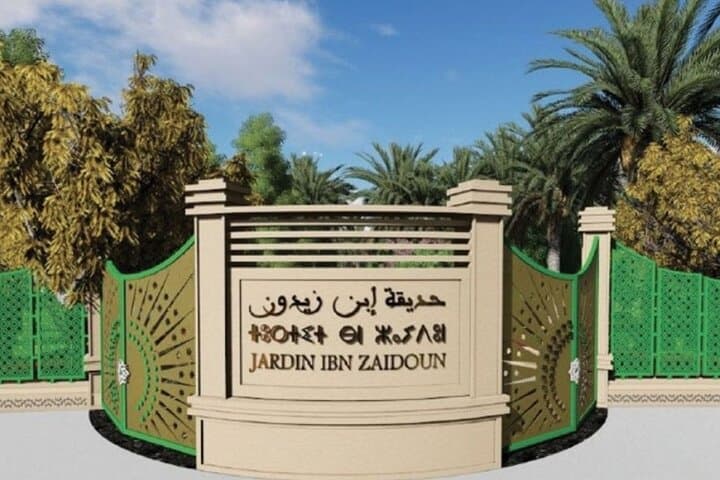
You step out from a shaded avenue and the Atlantic wind redirects the city — palm fronds sway, a cathedral of white mosque domes presides, and spices from the market lift like a promise.
You step out from a shaded avenue and the Atlantic wind redirects the city — palm fronds sway, a cathedral of white mosque domes presides, and spices from the market lift like a promise.
This three-hour private walking tour threads through Agadir’s public gardens, past elegant mosque façades, and into the pulse of Souk El Had. The kasbah’s ruined ramparts watch over the bay; they were raised by the Portuguese and later remade after the 1960 earthquake that flattened the old city, so each stone holds a visible story of rebuilding and resilience.
Geologically the coast sits on a rocky promontory that slopes down to long sandy beaches, with the Oued Souss estuary nearby creating marshlands that attract migratory birds. Culturally, Agadir is a working port and resort city where Amazigh (Berber) crafts, Moorish architectural lines, and modern seaside life coexist; bargaining in the market is a local ritual, and garden squares serve as small urban refuges.
Practical guidance: wear comfortable closed-toe shoes for uneven alleys and a sun hat for exposed stretches; carry water and small change for purchases and snacks. Tours move at a relaxed pace but include short walks between points, with time to sample seasonal foods and practice bargaining. If you want photos without the crowds, ask for an early start; evenings bring softer light but more shoppers. The guide will point out architecture, local artisans, and the best stalls for spices and textile work — useful context that turns a stroll into an informed encounter with Agadir’s living city.