THE ADVENTURE COLLECTIVE® · Independent discovery and booking for outdoor travel

Spend a full day north and south of Agadir in an air-conditioned 4x4, exploring dunes, the Oued Massa estuary and the silver streets of Tiznit. Expect a mix of short walks, local meals with a Berber family and concentrated birdwatching near the dam.
Spend a full day north and south of Agadir in an air-conditioned 4x4, exploring dunes, the Oued Massa estuary and the silver streets of Tiznit. Expect a mix of short walks, local meals with a Berber family and concentrated birdwatching near the dam.
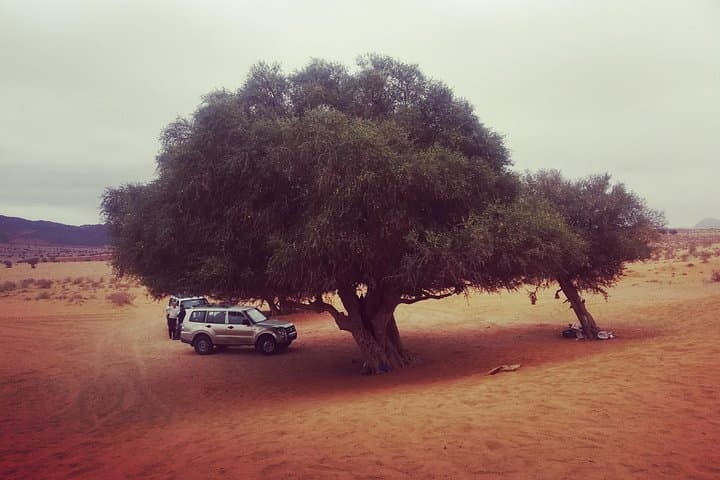
The engine hums and the Atlantic wind sharpens the air as the 4x4 peels away from Agadir toward scrub, palms and sudden ridges of ochre sand.
Verified experiences and guided adventures in the surrounding area.
Operated by Union Tours · Agadir, Souss-Massa
The engine hums and the Atlantic wind sharpens the air as the 4x4 peels away from Agadir toward scrub, palms and sudden ridges of ochre sand.
Over the day you'll move from coastal plains into the quieter reaches of Souss-Massa: orange groves give way to banana oases, then to low dunes that push at the horizon. The route crosses the Youssef ben Tachfine dam and the Oued Massa estuary — geological seams where river, wind and tide have carved shallow lakebeds and marshes. Local Berber villages sit low on the land; their stone and whitewashed homes bear patterns of craftsmanship passed down through generations.
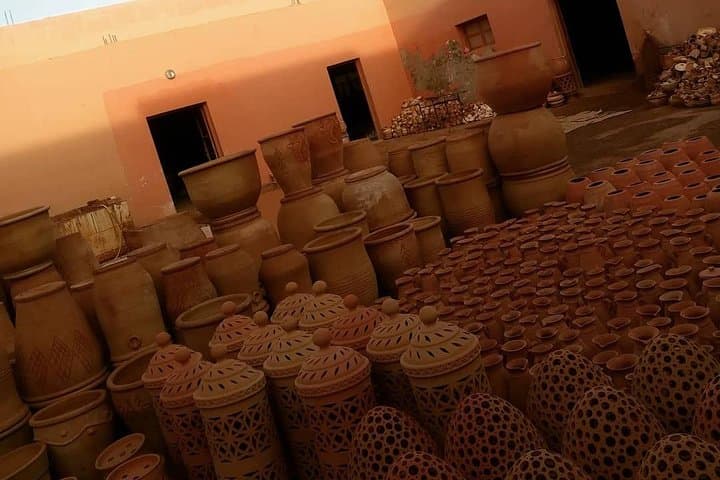
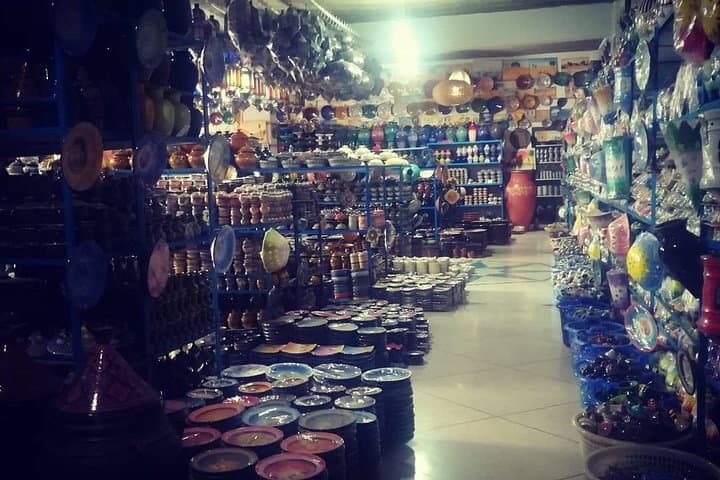
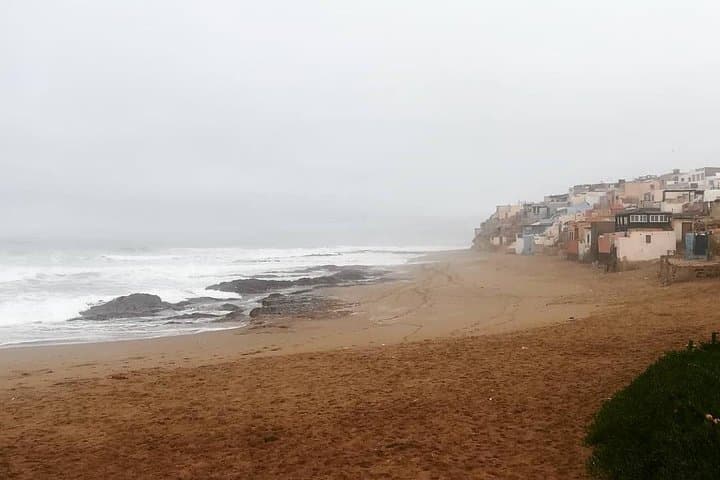
History is visible in Tiznit’s ramparts and its silver workshops, where craftsmen still hammer traditional designs. The region’s geology is a mix of alluvial plains and coastal sand deposits; tides and seasonal rivers shape the beaches you pass. Look for the rare Northern Bald Ibis and flocks of waders near the estuary — the area is an important site for migratory birds.
Practicalities: expect a long day (roughly 9–10 hours) with mostly vehicle travel interspersed with short walks and a family-style lunch (couscous and tajine). Wear sturdy closed-toe shoes for dune sanding and village steps, sun protection, and bring a refillable water bottle. If you’re sensitive to motion, choose a seat toward the middle of the vehicle and inform your operator of any dietary needs in advance.
This trip balances easy physical demands with sustained sensory rewards: shifting landscapes, hands-on cultural encounters, and concentrated wildlife viewing along Morocco’s southern Atlantic fringe.
easy.
9–10 hours.
Suitable for most fitness levels; involves short walks on sand and uneven village streets and long periods seated in a vehicle
The tour runs about 9–10 hours (around 570 minutes); most departures return to Agadir in the late afternoon or early evening—confirm exact times at booking.
Yes—lunch (couscous and tajine, Moroccan tea and fruit) is included; inform the operator in advance about allergies or dietary restrictions.
The excursion is rated easy and suitable for most ages, but there are short walks on sand and uneven terrain; infants must sit on laps per the operator’s policy.
The Oued Massa and surrounding reserves are important bird areas and you may spot Northern Bald Ibis and wading birds, though sightings can’t be guaranteed.
The Souss-Massa corridor has long been a cultural meeting point between coastal trade and inland Berber communities; Tiznit developed as a fortified market town known for silverwork.
Souss-Massa’s coastal wetlands are protected habitats; visitors should avoid disturbing birds, stick to marked paths and minimize single-use plastics to reduce impact.
Union Tours operates guided outdoor trips and adventures with an emphasis on safety, stewardship, and memorable experiences.
The engine hums and the Atlantic wind sharpens the air as the 4x4 peels away from Agadir toward scrub, palms and sudden ridges of ochre sand.
The engine hums and the Atlantic wind sharpens the air as the 4x4 peels away from Agadir toward scrub, palms and sudden ridges of ochre sand.
Over the day you'll move from coastal plains into the quieter reaches of Souss-Massa: orange groves give way to banana oases, then to low dunes that push at the horizon. The route crosses the Youssef ben Tachfine dam and the Oued Massa estuary — geological seams where river, wind and tide have carved shallow lakebeds and marshes. Local Berber villages sit low on the land; their stone and whitewashed homes bear patterns of craftsmanship passed down through generations.
History is visible in Tiznit’s ramparts and its silver workshops, where craftsmen still hammer traditional designs. The region’s geology is a mix of alluvial plains and coastal sand deposits; tides and seasonal rivers shape the beaches you pass. Look for the rare Northern Bald Ibis and flocks of waders near the estuary — the area is an important site for migratory birds.
Practicalities: expect a long day (roughly 9–10 hours) with mostly vehicle travel interspersed with short walks and a family-style lunch (couscous and tajine). Wear sturdy closed-toe shoes for dune sanding and village steps, sun protection, and bring a refillable water bottle. If you’re sensitive to motion, choose a seat toward the middle of the vehicle and inform your operator of any dietary needs in advance.
This trip balances easy physical demands with sustained sensory rewards: shifting landscapes, hands-on cultural encounters, and concentrated wildlife viewing along Morocco’s southern Atlantic fringe.