THE ADVENTURE COLLECTIVE® · Independent discovery and booking for outdoor travel

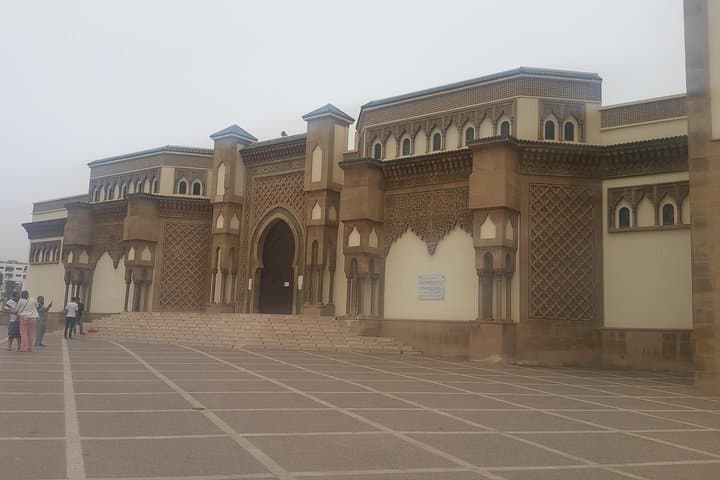
See Agadir’s bay, the Oufella kasbah ruins, Talborjt mosque and the bustling Souk Al Had in a concise three‑hour tour. Perfect for first‑time visitors who want an efficient, air‑conditioned introduction to the city.
See Agadir’s bay, the Oufella kasbah ruins, Talborjt mosque and the bustling Souk Al Had in a concise three‑hour tour. Perfect for first‑time visitors who want an efficient, air‑conditioned introduction to the city.
Morning light slices across the Atlantic as the minivan eases up the rise to Agadir Oufella, the ruined kasbah that watches the city. From this wind‑battered terrace you can see the curve of the bay, the serried roofs of Talborjt, and the market bustle swelling toward the souk.
Verified experiences and guided adventures in the surrounding area.
Operated by Face Tours · Agadir, Souss-Massa
Morning light slices across the Atlantic as the minivan eases up the rise to Agadir Oufella, the ruined kasbah that watches the city. From this wind‑battered terrace you can see the curve of the bay, the serried roofs of Talborjt, and the market bustle swelling toward the souk.
The half‑day tour condenses Agadir’s modern pulse and older layers into three hours. The Oufella kasbah, destroyed in the 1960 earthquake, still marks a strategic promontory used for centuries to watch coastal traffic. Talborjt reveals the city’s mid‑20th‑century expansion with a landmark mosque and grid of streets, while Souk Al Had is the living marketplace—spices, argan oil, textiles and daily trade performed with practiced speed.
Geology here is coastal plain meeting rocky headlands; the sand and ocean shape Agadir’s light and trade routes. Cultural notes: vendors expect bargaining, and local etiquette favors modest dress at religious sites. Guides typically include hotel pickup, transport in air‑conditioned vehicles, and short walks on paved and uneven market alleys.
Practical guidance: book a morning slot to avoid midday heat and to see the bay at its clearest. Bring cash for purchases, a sun hat and sturdy shoes for market lanes. Plan roughly three hours door‑to‑door; the itinerary suits travelers of most fitness levels and provides easy introduction to Moroccan urban life without long walks or strenuous climbs.
easy.
3 hours.
Suitable for most fitness levels; involves short walks and some uneven surfaces
The tour is approximately three hours from hotel pickup to drop‑off.
Yes—most bookings include hotel pickup and return in an air‑conditioned vehicle.
Interior access to mosques may be restricted to worshippers; visitors should view exteriors and follow local rules.
Yes—the tour involves minimal walking and is described as suitable for all fitness levels, though there are some uneven surfaces in the market and at the kasbah viewpoint.
Agadir’s kasbah was heavily damaged in the 1960 earthquake; the city rebuilt along the bay, creating a modern coastal center layered over earlier settlements.
Argan oil production supports local cooperatives; visitors can support sustainable producers and avoid single‑use plastics while shopping at the souk.
Face Tours operates guided outdoor trips and adventures with an emphasis on safety, stewardship, and memorable experiences.
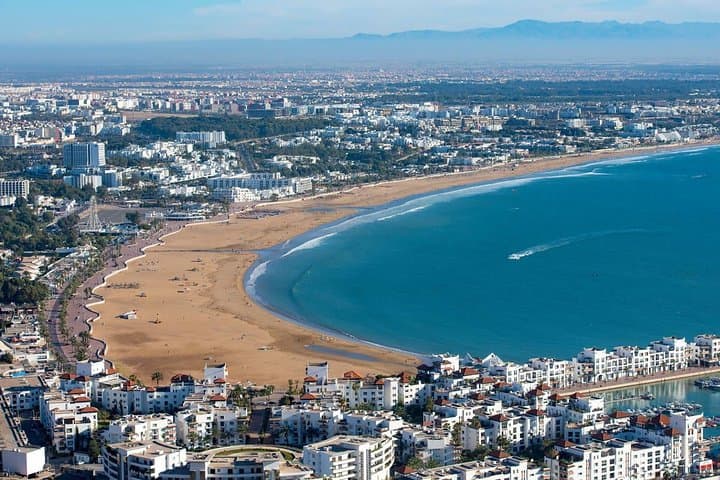
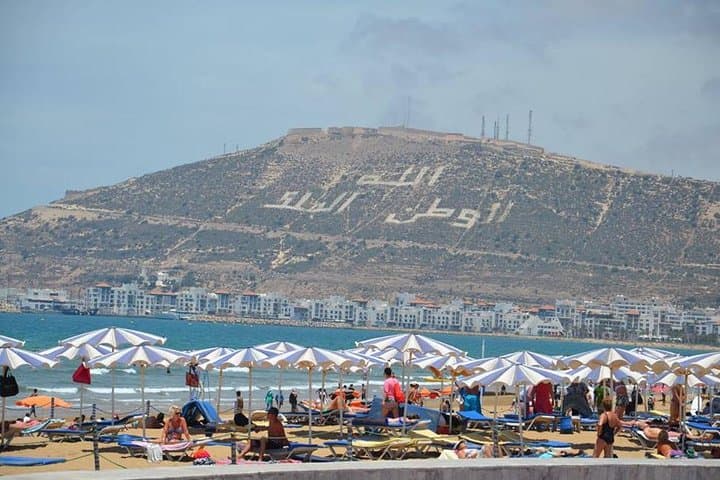
Morning light slices across the Atlantic as the minivan eases up the rise to Agadir Oufella, the ruined kasbah that watches the city. From this wind‑battered terrace you can see the curve of the bay, the serried roofs of Talborjt, and the market bustle swelling toward the souk.
Morning light slices across the Atlantic as the minivan eases up the rise to Agadir Oufella, the ruined kasbah that watches the city. From this wind‑battered terrace you can see the curve of the bay, the serried roofs of Talborjt, and the market bustle swelling toward the souk.
The half‑day tour condenses Agadir’s modern pulse and older layers into three hours. The Oufella kasbah, destroyed in the 1960 earthquake, still marks a strategic promontory used for centuries to watch coastal traffic. Talborjt reveals the city’s mid‑20th‑century expansion with a landmark mosque and grid of streets, while Souk Al Had is the living marketplace—spices, argan oil, textiles and daily trade performed with practiced speed.
Geology here is coastal plain meeting rocky headlands; the sand and ocean shape Agadir’s light and trade routes. Cultural notes: vendors expect bargaining, and local etiquette favors modest dress at religious sites. Guides typically include hotel pickup, transport in air‑conditioned vehicles, and short walks on paved and uneven market alleys.
Practical guidance: book a morning slot to avoid midday heat and to see the bay at its clearest. Bring cash for purchases, a sun hat and sturdy shoes for market lanes. Plan roughly three hours door‑to‑door; the itinerary suits travelers of most fitness levels and provides easy introduction to Moroccan urban life without long walks or strenuous climbs.