THE ADVENTURE COLLECTIVE® · Independent discovery and booking for outdoor travel

Swap Agadir’s beach for a day of palm groves, turquoise pools and a bustling market. This guided excursion combines a Berber breakfast in the hills with time to explore Souk El Had and swim in Paradise Valley’s natural pools.
Swap Agadir’s beach for a day of palm groves, turquoise pools and a bustling market. This guided excursion combines a Berber breakfast in the hills with time to explore Souk El Had and swim in Paradise Valley’s natural pools.
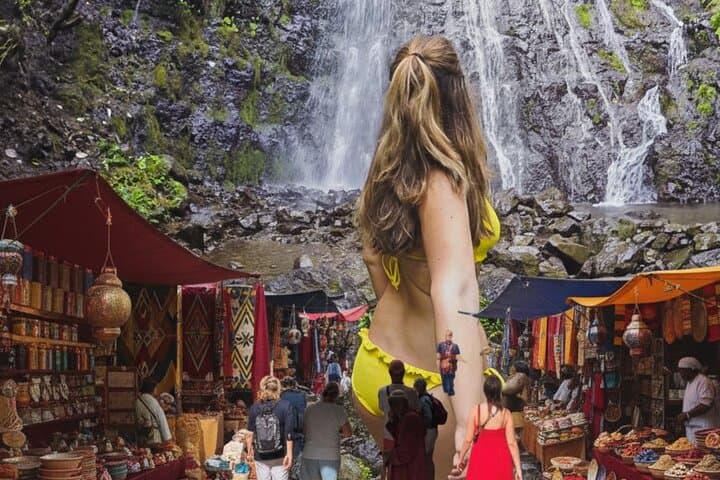
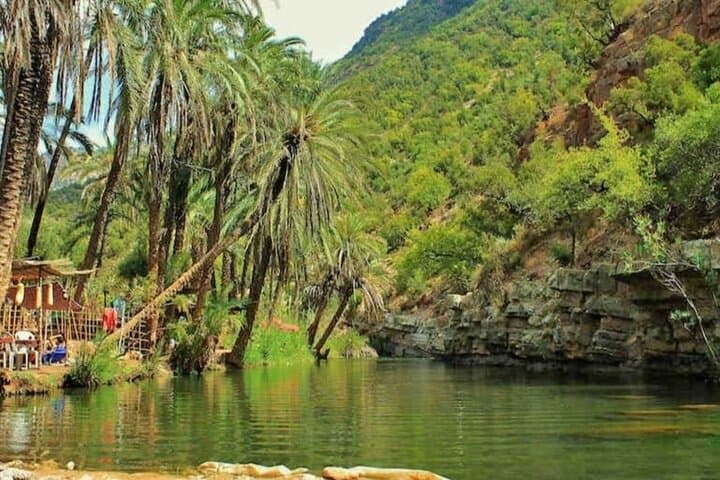
The bus eases out of Agadir and the city’s ocean air gives way to sun-baked stone and the green of palm crowns. By mid-afternoon the canyon opens: rocky steps, shady groves, and a chain of turquoise pools that seem to dare you to strip off your shoes and wade in.
Verified experiences and guided adventures in the surrounding area.
Operated by Agadir Attractions · Agadir, Souss-Massa
The bus eases out of Agadir and the city’s ocean air gives way to sun-baked stone and the green of palm crowns. By mid-afternoon the canyon opens: rocky steps, shady groves, and a chain of turquoise pools that seem to dare you to strip off your shoes and wade in.
Paradise Valley sits on the southern slopes of the High Atlas where water has carved terraces and potholes through volcanic rock over millennia. The valley carries Berber history in the form of small mountain villages, irrigation channels and argan trees—local culture is visible in market goods back in Agadir’s Souk El Had, the region’s commercial heart since the 19th century.
Expect a mix of short, uneven trails, palm-lined alcoves and natural plunge pools whose temperature depends on recent rainfall. Guides point out traditional uses—bread baking, amlou (argan paste with honey and almonds) and seasonal dates—then leave time to swim or photograph the canyon walls.
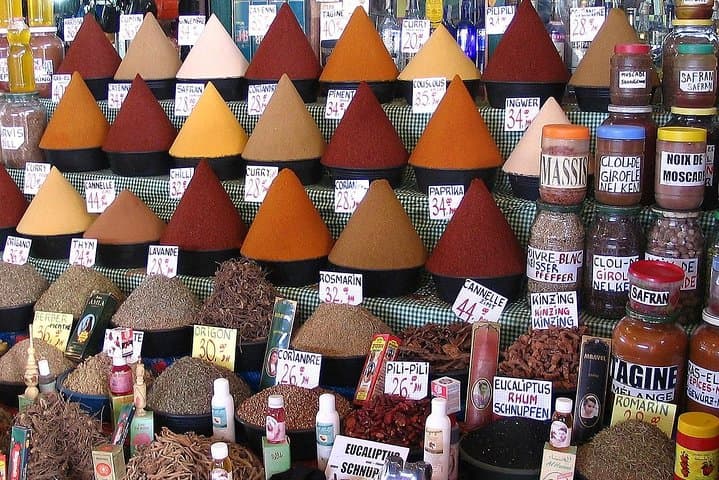
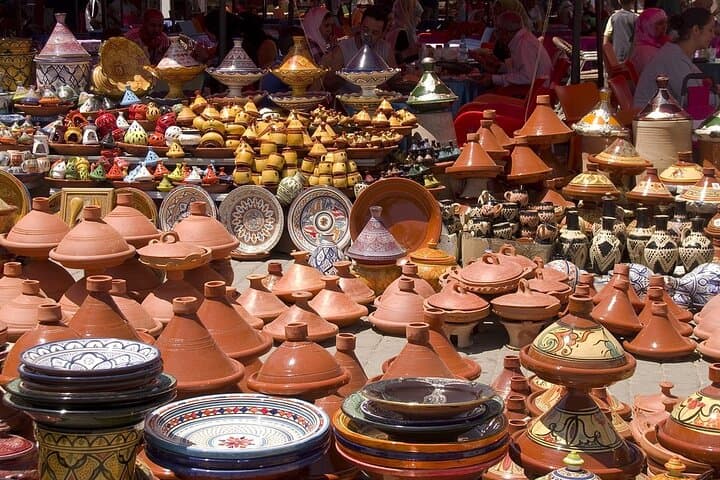
Practically: the trip uses door-to-door transport from Agadir, includes a light Berber breakfast in the hills and a one-hour window to explore Souk El Had’s spices and crafts. Wear grippy shoes for rocky approaches, bring swimwear and cash for local stalls. Hydrate early; sun in the valley is blunt and direct.
This is a full but accessible day that pairs nature and market life—ideal for travelers who want a concise Moroccan experience without backcountry logistics.
moderate.
7 hours.
Suitable for anyone who can walk 1–3 miles on uneven ground and handle short rocky scrambles; ability to swim optional but useful
Yes—door-to-door pickup and drop-off anywhere inside Agadir city is included in the tour price.
Yes; the itinerary includes time to swim, sunbathe, or relax at the natural pools—bring swimwear and a towel.
The tour lists stroller and wheelchair-accessible transport and services, but some canyon trails and pool edges are uneven—assess mobility for on-foot sections.
A traditional Berber breakfast (fresh bread, amlou, local honey) is provided; additional meals or purchases at Souk El Had are not included.
The valley is part of the broader Berber cultural landscape of the Anti-Atlas and High Atlas foothills; local communities have used its springs and terraces for generations.
Visitors should avoid stepping on fragile vegetation and pack out all trash; water is a local resource—swim and rinse responsibly to minimize impact.
Agadir Attractions operates guided outdoor trips and adventures with an emphasis on safety, stewardship, and memorable experiences.
The bus eases out of Agadir and the city’s ocean air gives way to sun-baked stone and the green of palm crowns. By mid-afternoon the canyon opens: rocky steps, shady groves, and a chain of turquoise pools that seem to dare you to strip off your shoes and wade in.
The bus eases out of Agadir and the city’s ocean air gives way to sun-baked stone and the green of palm crowns. By mid-afternoon the canyon opens: rocky steps, shady groves, and a chain of turquoise pools that seem to dare you to strip off your shoes and wade in.
Paradise Valley sits on the southern slopes of the High Atlas where water has carved terraces and potholes through volcanic rock over millennia. The valley carries Berber history in the form of small mountain villages, irrigation channels and argan trees—local culture is visible in market goods back in Agadir’s Souk El Had, the region’s commercial heart since the 19th century.
Expect a mix of short, uneven trails, palm-lined alcoves and natural plunge pools whose temperature depends on recent rainfall. Guides point out traditional uses—bread baking, amlou (argan paste with honey and almonds) and seasonal dates—then leave time to swim or photograph the canyon walls.
Practically: the trip uses door-to-door transport from Agadir, includes a light Berber breakfast in the hills and a one-hour window to explore Souk El Had’s spices and crafts. Wear grippy shoes for rocky approaches, bring swimwear and cash for local stalls. Hydrate early; sun in the valley is blunt and direct.
This is a full but accessible day that pairs nature and market life—ideal for travelers who want a concise Moroccan experience without backcountry logistics.